Vocabulary A1–A2

Sports verbs

Observe the scene and discover each word through the image and three example Italian sentences.
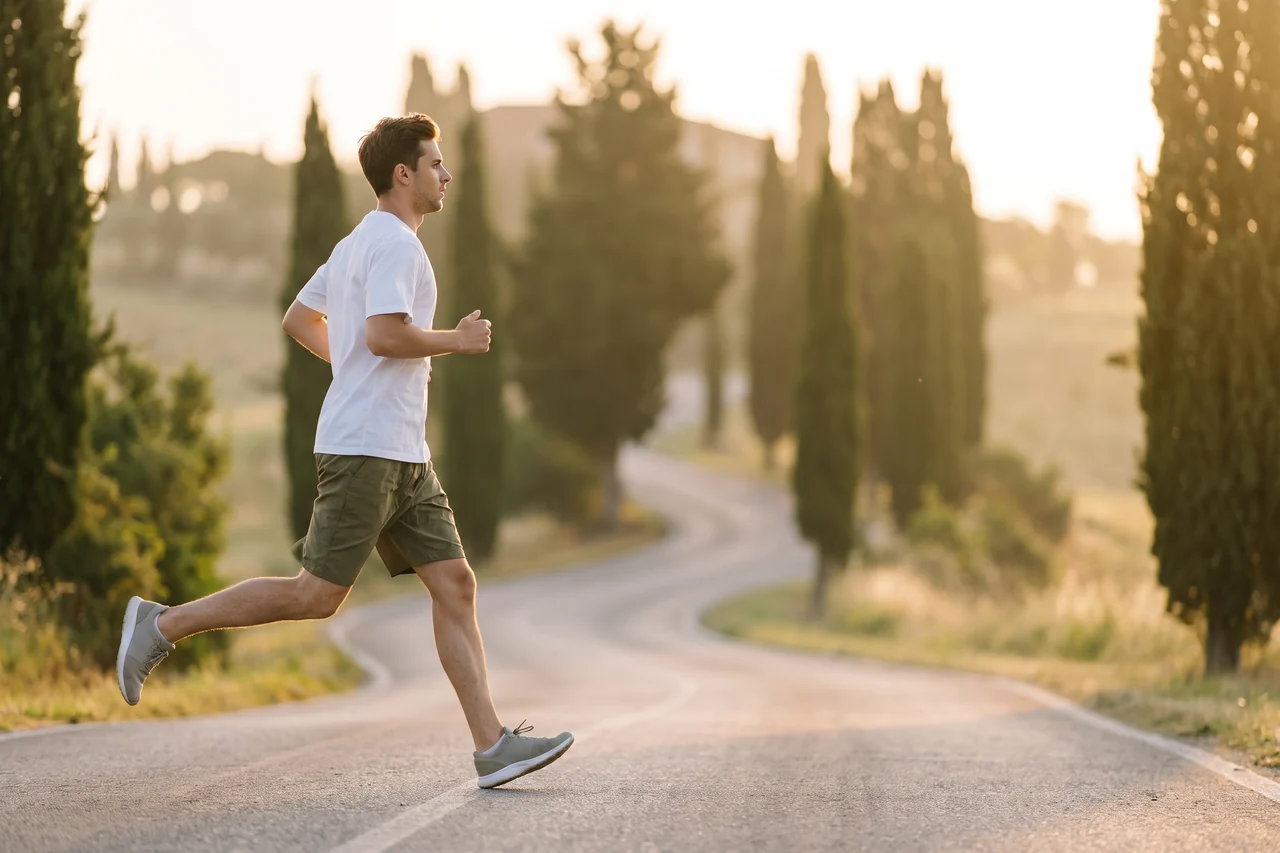
A young man in a t-shirt and shorts runs alone on a country road at sunrise, among hills and cypresses
to train, to work out

allenarsi

to train, to work out

3 example sentences
  1. Mi alleno tre volte alla settimana.
  2. La squadra si allena ogni martedì.
  3. Ti alleni per la maratona?
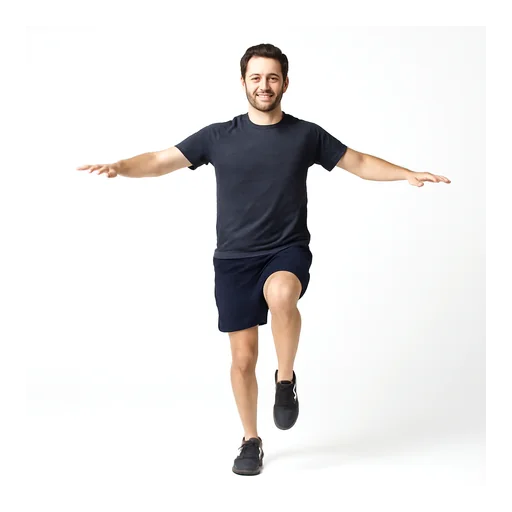
to warm up

riscaldarsi

to warm up

3 example sentences
  1. Prima di correre mi riscaldo per dieci minuti.
  2. Riscaldatevi bene prima della partita!
  3. Se non ti riscaldi, rischi di farti male.
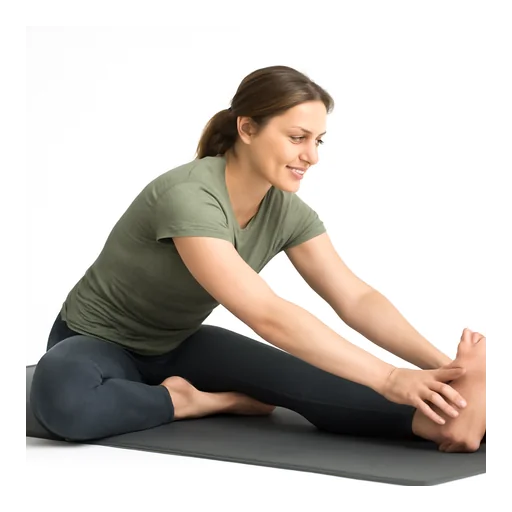
to stretch

fare stretching

to stretch

3 example sentences
  1. Dopo la corsa faccio sempre stretching.
  2. Fare stretching la mattina mi rilassa.
  3. L’allenatore ci fa fare stretching alla fine.
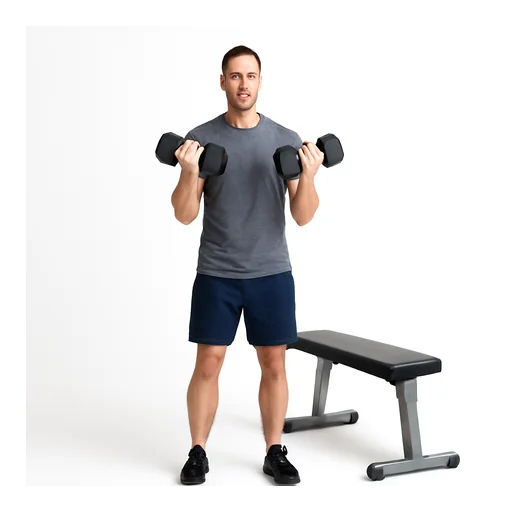
to lift weights

fare pesi

to lift weights

3 example sentences
  1. In palestra faccio pesi e corro sul tapis roulant.
  2. Mio fratello fa pesi tutti i giorni.
  3. Non fare pesi troppo pesanti all’inizio.
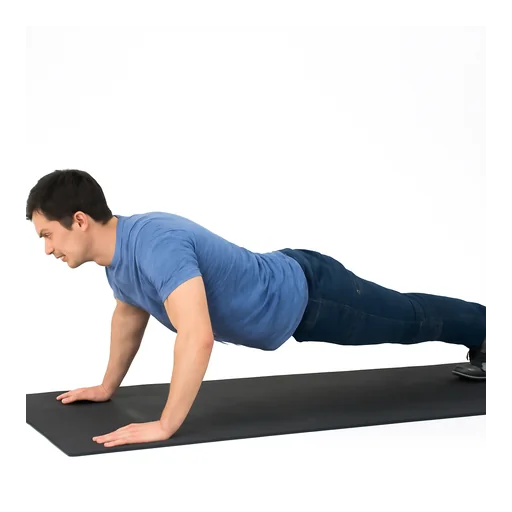
to do push-ups

fare le flessioni

to do push-ups

3 example sentences
  1. Ogni mattina faccio venti flessioni.
  2. Quante flessioni riesci a fare?
  3. Il soldato fa le flessioni in cortile.
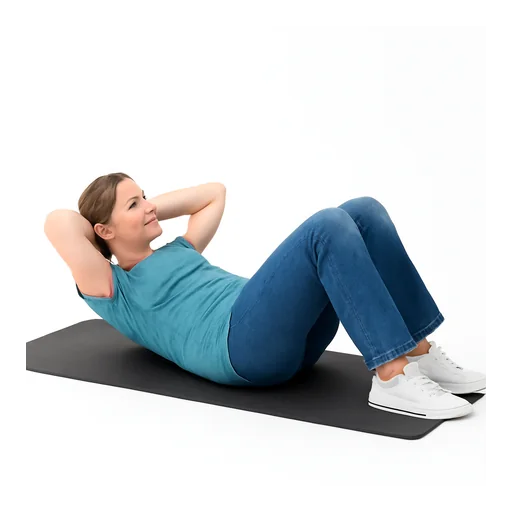
to do sit-ups, to do crunches

fare gli addominali

to do sit-ups, to do crunches

3 example sentences
  1. Faccio gli addominali prima di dormire.
  2. Fare gli addominali è faticoso!
  3. Oggi abbiamo fatto gli addominali per mezz’ora.
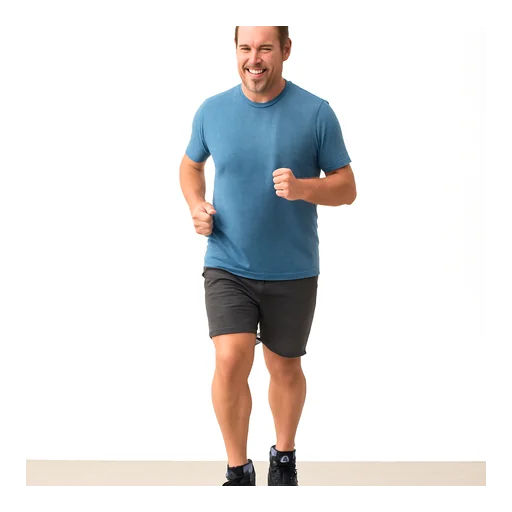
to go jogging

fare jogging

to go jogging

3 example sentences
  1. La domenica mattina faccio jogging nel parco.
  2. Vieni a fare jogging con me?
  3. Mio padre fa jogging da trent’anni.
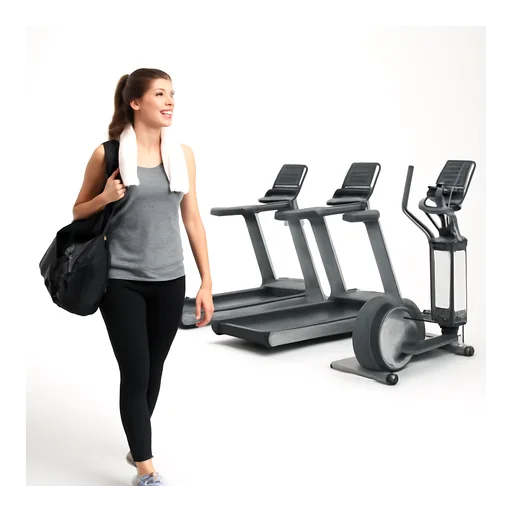
to go to the gym

andare in palestra

to go to the gym

3 example sentences
  1. Vado in palestra dopo il lavoro.
  2. Da quando vai in palestra?
  3. Sara va in palestra con un’amica.
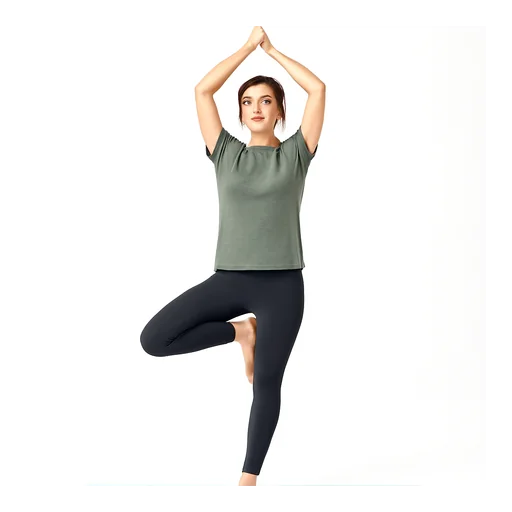
to do yoga

fare yoga

to do yoga

3 example sentences
  1. Faccio yoga per rilassarmi.
  2. Mia nonna fa yoga due volte alla settimana.
  3. Abbiamo fatto yoga in spiaggia.
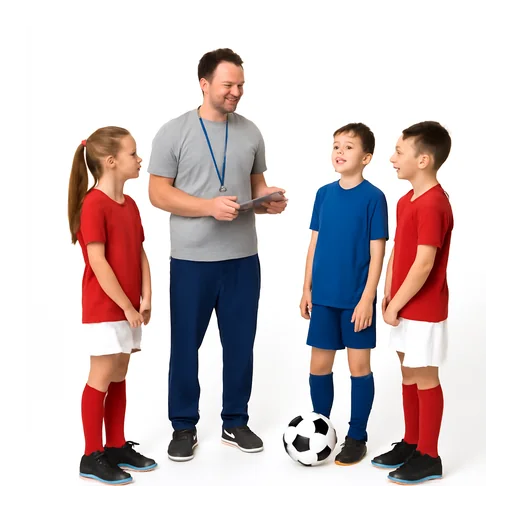
to coach, to train (someone)

allenare

to coach, to train (someone)

3 example sentences
  1. Mio zio allena una squadra di bambini.
  2. Chi allena la nazionale?
  3. Luca allena i ragazzi il sabato mattina.
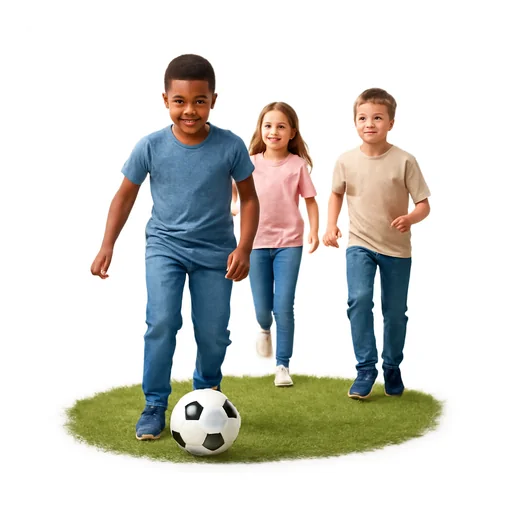
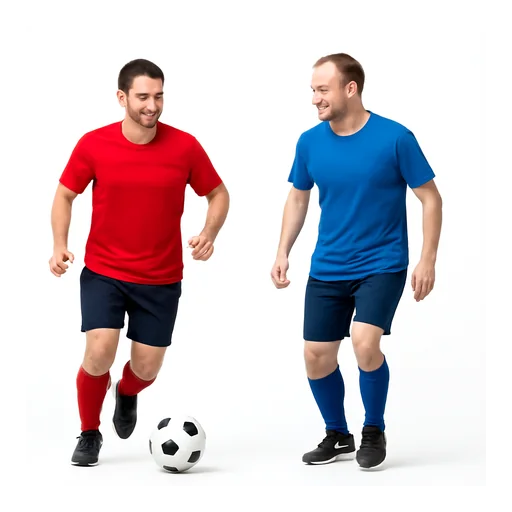
to play football (soccer)

giocare a calcio

to play football (soccer)

3 example sentences
  1. I ragazzi giocano a calcio nel cortile.
  2. Giochi a calcio in una squadra?
  3. Da piccolo giocavo a calcio tutti i pomeriggi.
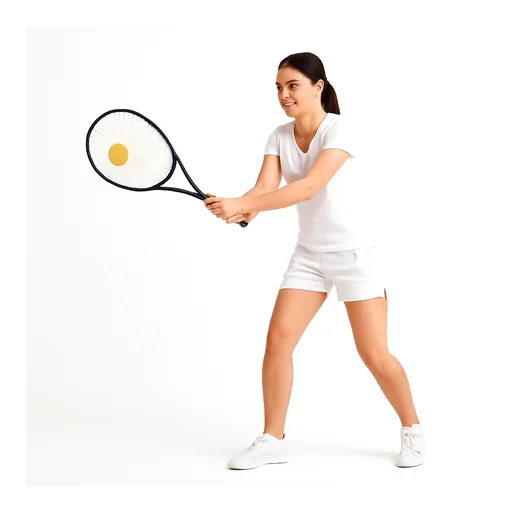
to play tennis

giocare a tennis

to play tennis

3 example sentences
  1. Giochiamo a tennis sabato?
  2. Mia madre gioca a tennis molto bene.
  3. Ho giocato a tennis per due ore.
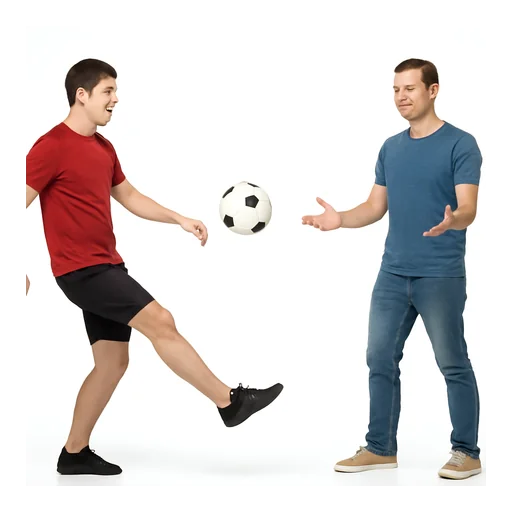
to pass the ball

passare la palla

to pass the ball

3 example sentences
  1. Passa la palla, sono libero!
  2. Non passa mai la palla a nessuno.
  3. Mi ha passato la palla e ho segnato.
to dribble (past someone)

dribblare

to dribble (past someone)

3 example sentences
  1. Ha dribblato tre giocatori e ha tirato.
  2. Mio figlio dribbla benissimo.
  3. Non dribblare troppo: passa la palla!
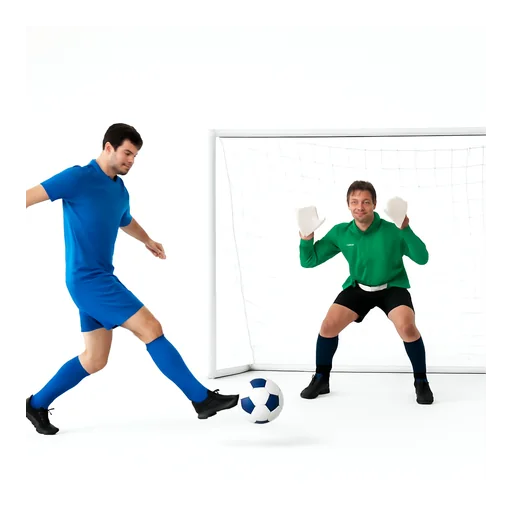
to shoot (at goal)

tirare in porta

to shoot (at goal)

3 example sentences
  1. Ha tirato in porta da lontano.
  2. Tira in porta, non aspettare!
  3. Abbiamo tirato in porta solo due volte.
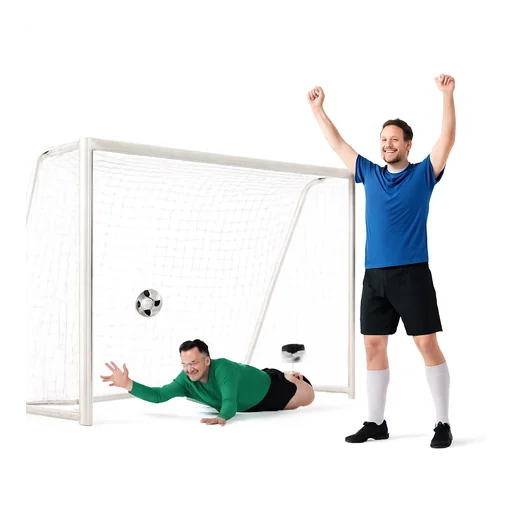
to score

segnare

to score

3 example sentences
  1. Chi ha segnato il primo gol?
  2. Marco ha segnato all’ultimo minuto.
  3. Oggi non abbiamo segnato nemmeno un punto.
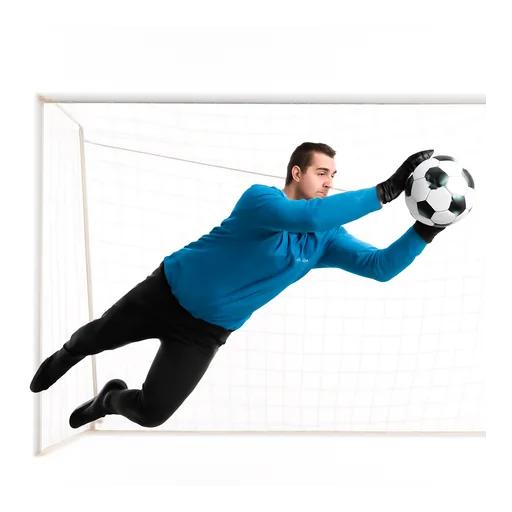
to save, to stop (a shot)

parare

to save, to stop (a shot)

3 example sentences
  1. Il portiere ha parato un rigore.
  2. Hai parato benissimo!
  3. Non è riuscito a parare il tiro.
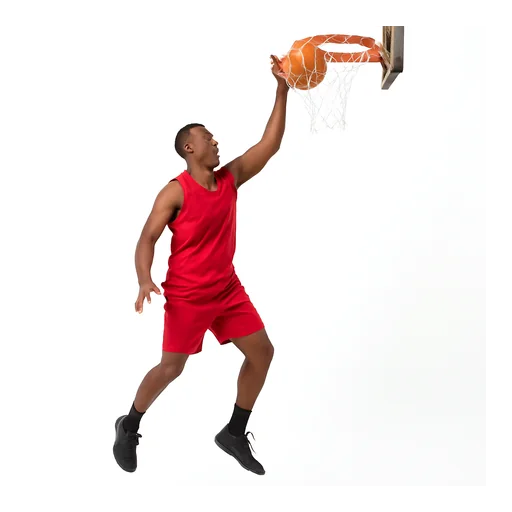
to score a basket

fare canestro

to score a basket

3 example sentences
  1. Ha fatto canestro da metà campo!
  2. Non riesco mai a fare canestro.
  3. Chi fa canestro vince la partita.
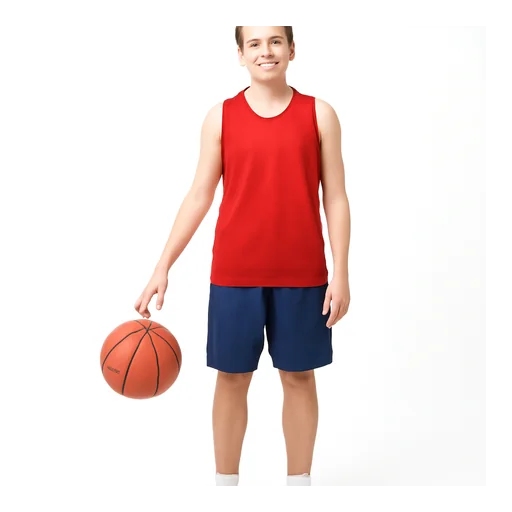
to bounce the ball, to dribble (in basketball)
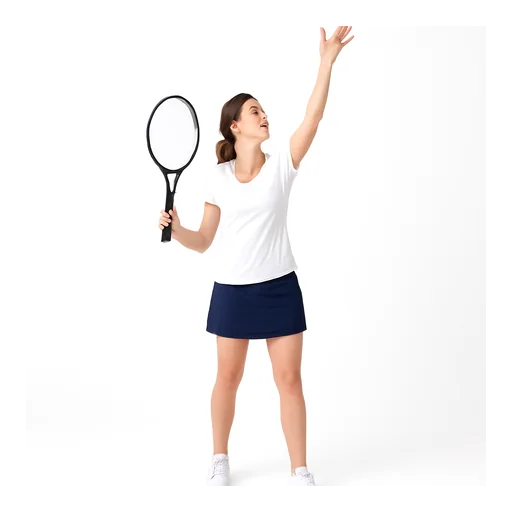
palleggiare

to bounce the ball, to dribble (in basketball)

3 example sentences
  1. Il bambino palleggia in cortile.
  2. Palleggia con la mano sinistra.
  3. Sai palleggiare con i piedi?
to serve (in tennis, volleyball)

servire

to serve (in tennis, volleyball)

3 example sentences
  1. Adesso servi tu.
  2. Ha servito molto forte.
  3. Chi serve per primo?
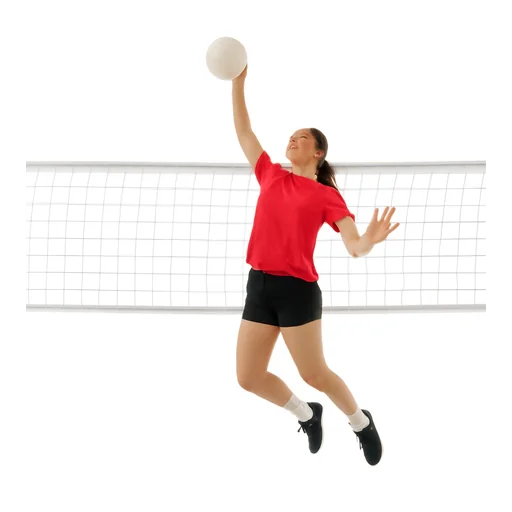
to spike, to smash

schiacciare

to spike, to smash

3 example sentences
  1. La nostra giocatrice schiaccia fortissimo.
  2. Salta e schiaccia!
  3. Ho schiacciato e abbiamo fatto punto.
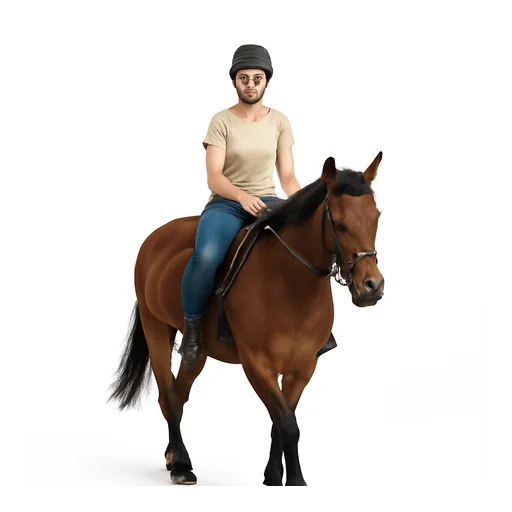
to ride a horse, to go horse riding

andare a cavallo

to ride a horse, to go horse riding

3 example sentences
  1. Mia sorella va a cavallo da quando aveva sei anni.
  2. Sai andare a cavallo?
  3. In vacanza siamo andati a cavallo sulla spiaggia.
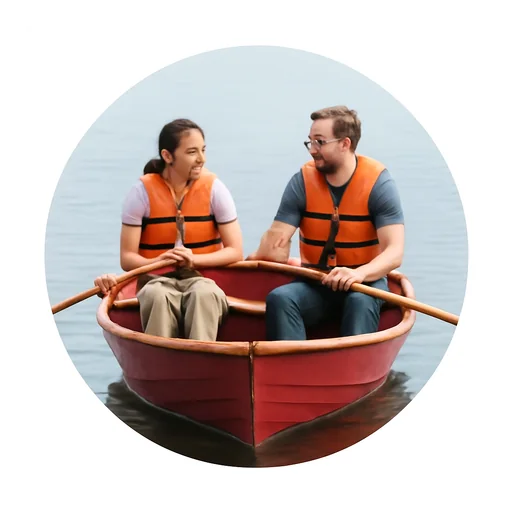
to row, to paddle

remare

to row, to paddle

3 example sentences
  1. Remiamo fino all’altra parte del lago.
  2. Remare è faticoso per le braccia.
  3. I due ragazzi remano insieme.
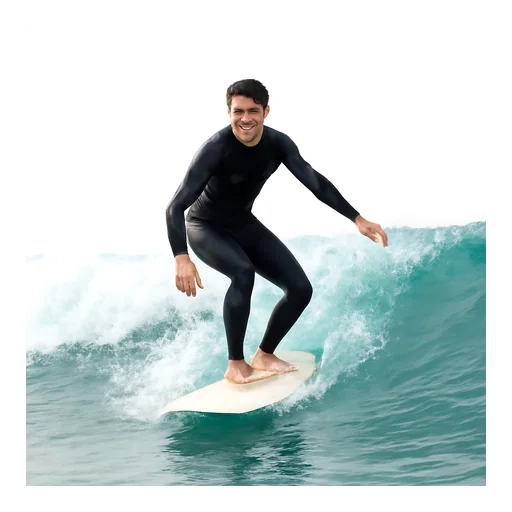
to surf

fare surf

to surf

3 example sentences
  1. D’estate faccio surf in Portogallo.
  2. È difficile imparare a fare surf?
  3. Oggi non si può fare surf: non ci sono onde.
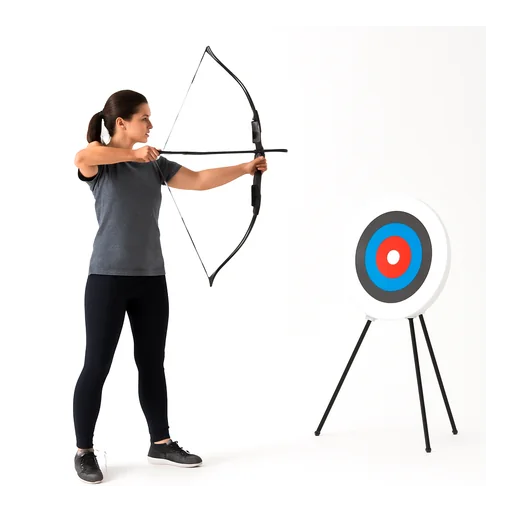
to do archery, to shoot with a bow

tirare con l’arco

to do archery, to shoot with a bow

3 example sentences
  1. Mio figlio tira con l’arco il giovedì.
  2. Hai mai tirato con l’arco?
  3. Per tirare con l’arco serve concentrazione.
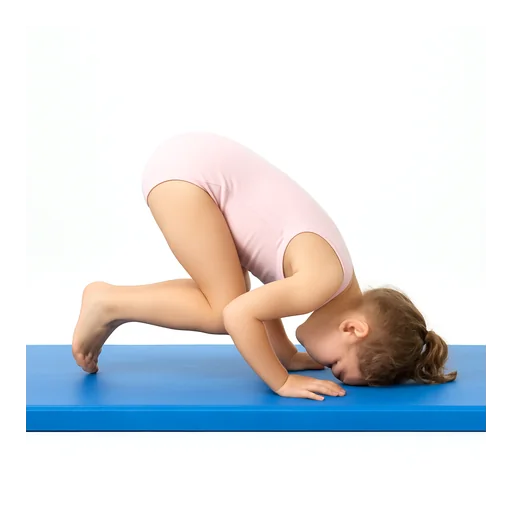
to do a somersault, to do a forward roll
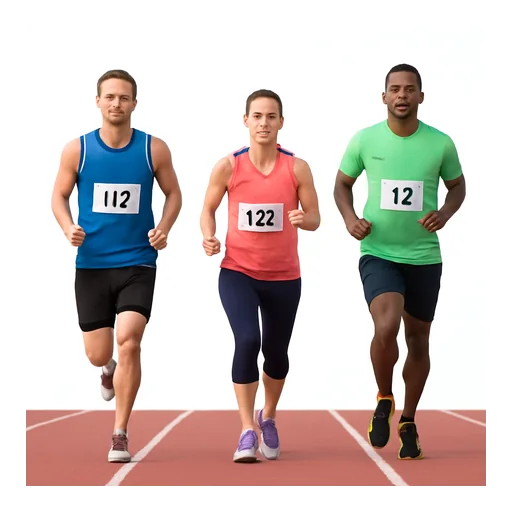
fare una capriola

to do a somersault, to do a forward roll

3 example sentences
  1. Il bambino fa una capriola sul prato.
  2. A ginnastica abbiamo fatto le capriole.
  3. Sai fare una capriola all’indietro?
to compete, to race

gareggiare

to compete, to race

3 example sentences
  1. Domenica gareggio nei cento metri.
  2. Ha gareggiato alle Olimpiadi.
  3. Gareggiamo per divertirci, non per vincere.
to support, to cheer (for)

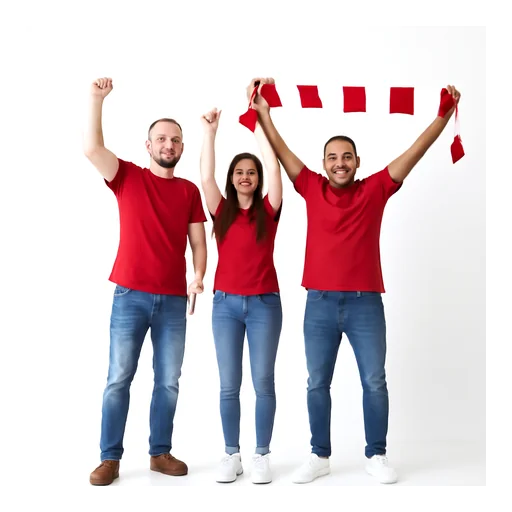
tifare

to support, to cheer (for)

3 example sentences
  1. Per che squadra tifi?
  2. Tifo per la Roma da quando ero bambino.
  3. Tutta la famiglia tifa per l’Italia.
to referee

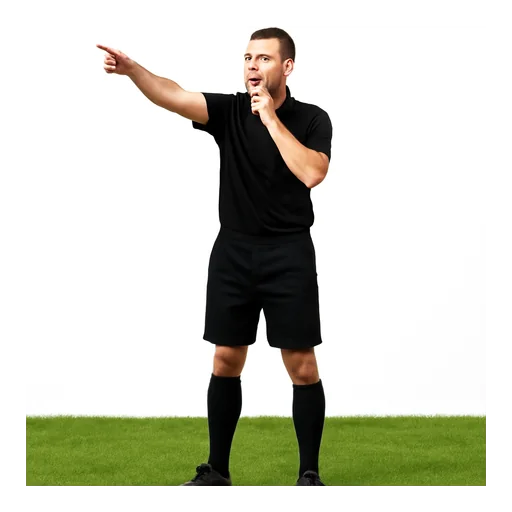
arbitrare

to referee

3 example sentences
  1. Chi arbitra la finale?
  2. Mio padre arbitra partite di calcio la domenica.
  3. Ha arbitrato molto bene.
to commit a foul

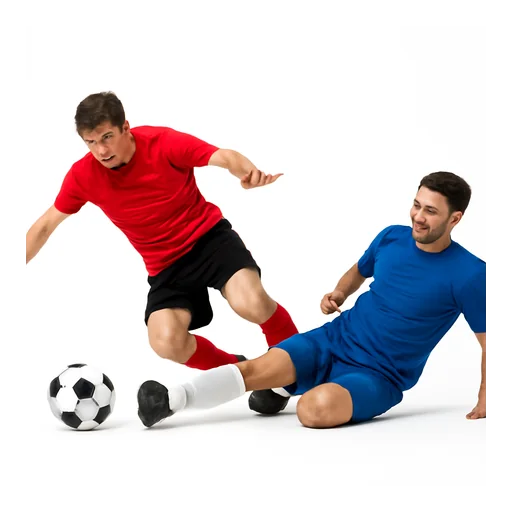
fare fallo

to commit a foul

3 example sentences
  1. Il difensore ha fatto fallo in area.
  2. Non ho fatto fallo, ho preso la palla!
  3. Se fai fallo, l’arbitro fischia.
to book, to give a yellow card

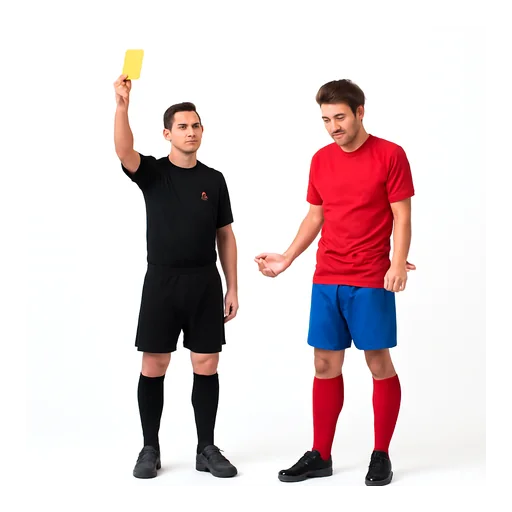
ammonire

to book, to give a yellow card

3 example sentences
  1. L’arbitro ha ammonito due giocatori.
  2. È stato ammonito per un fallo.
  3. Se ti ammoniscono un’altra volta, devi uscire.
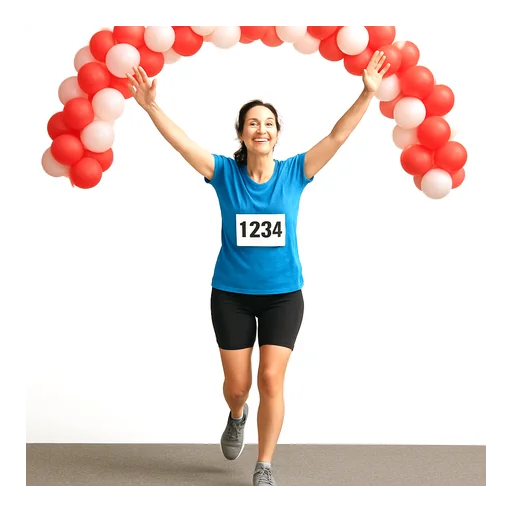
to come first, to finish first

arrivare primo

to come first, to finish first

3 example sentences
  1. Giulia è arrivata prima nella gara di nuoto.
  2. Sono arrivato primo per un secondo!
  3. Chi arriva primo vince la medaglia d’oro.
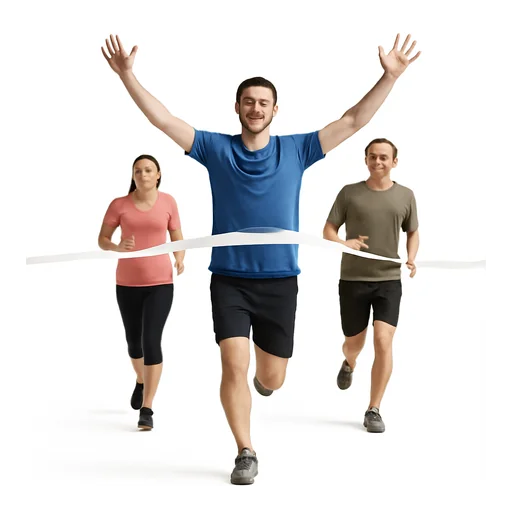
to cross the finish line

tagliare il traguardo

to cross the finish line

3 example sentences
  1. Ha tagliato il traguardo dopo quattro ore.
  2. Taglio il traguardo e mi siedo per terra.
  3. Tutti applaudono quando taglia il traguardo.
to break the record

battere il record

to break the record

3 example sentences
  1. Ha battuto il record del mondo.
  2. Oggi ho battuto il mio record: dieci chilometri in cinquanta minuti!
  3. Nessuno è riuscito a battere quel record.
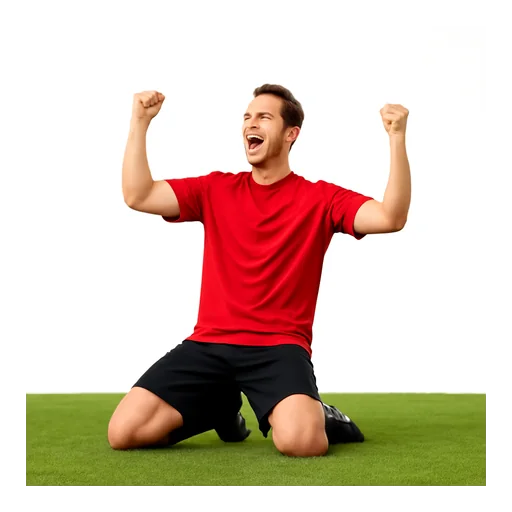
to celebrate, to cheer (with joy)

esultare

to celebrate, to cheer (with joy)

3 example sentences
  1. I giocatori esultano dopo il gol.
  2. Tutto lo stadio ha esultato.
  3. Non esultare troppo presto!
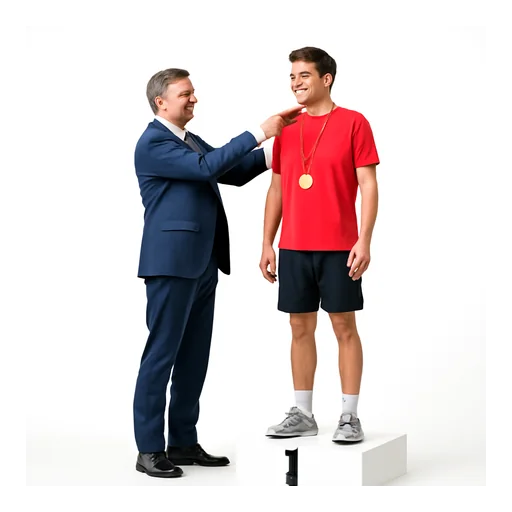
to award, to present with a prize

premiare

to award, to present with a prize

3 example sentences
  1. Il sindaco premia i vincitori.
  2. Mi hanno premiato come miglior giocatore.
  3. Alla fine del torneo premiamo tutte le squadre.
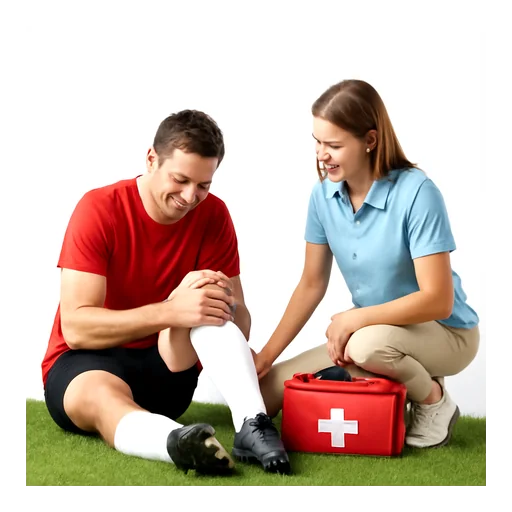
to get injured

infortunarsi

to get injured

3 example sentences
  1. Si è infortunato al ginocchio durante la partita.
  2. Mi sono infortunata e non posso giocare per un mese.
  3. Attento a non infortunarti!
Giocare a calcio, fare yoga

Ball sports are “played” with giocare a and no article: gioco a calcio (I play football), a tennis, a pallavolo (volleyball). Most other sports are “done” with fare: fare yoga, fare surf, fare pesi (to lift weights), fare jogging; a few take andare: andare a cavallo (to ride a horse), andare in palestra (to go to the gym). Allenarsi is reflexive (mi alleno: I train myself), allenare is not (l’allenatore allena la squadra: the coach trains the team). In the passato prossimo, arrivare and reflexive verbs take essere, and the participle agrees: Giulia è arrivata prima (Giulia came first), mi sono infortunata (I got injured, said by a woman), ci siamo allenati (we trained). Segnare (to score) is used on its own or with un gol, un punto, un canestro. Sports words (the ball, the referee, the finish line, the medal…) are in the lesson Sports.

Drag-and-drop exercise

Look at the photo: which verb fits?

Drag a verb onto the photo it describes. Sometimes several verbs fit (someone kicking the ball at the goal is shooting, but may also be scoring: segnare): one is enough, but you can add as many as you like. On a phone: tap the verb, then tap the photo.

Progress0 of 37 photos described
0%
Set 1 of 4
  1. Object to recognize: exercise 1

  2. Object to recognize: exercise 2

  3. Object to recognize: exercise 3

  4. Object to recognize: exercise 4

  5. Object to recognize: exercise 5

  6. Object to recognize: exercise 6

  7. Object to recognize: exercise 7

  8. Object to recognize: exercise 8

  9. Object to recognize: exercise 9

  10. Object to recognize: exercise 10

Verbs: drag them onto the photos or tap them

Set 2 of 4
  1. Object to recognize: exercise 11

  2. Object to recognize: exercise 12

  3. Object to recognize: exercise 13

  4. Object to recognize: exercise 14

  5. Object to recognize: exercise 15

  6. Object to recognize: exercise 16

  7. Object to recognize: exercise 17

  8. Object to recognize: exercise 18

  9. Object to recognize: exercise 19

  10. Object to recognize: exercise 20

Verbs: drag them onto the photos or tap them

Set 3 of 4
  1. Object to recognize: exercise 21

  2. Object to recognize: exercise 22

  3. Object to recognize: exercise 23

  4. Object to recognize: exercise 24

  5. Object to recognize: exercise 25

  6. Object to recognize: exercise 26

  7. Object to recognize: exercise 27

  8. Object to recognize: exercise 28

  9. Object to recognize: exercise 29

  10. Object to recognize: exercise 30

Verbs: drag them onto the photos or tap them

Set 4 of 4
  1. Object to recognize: exercise 31

  2. Object to recognize: exercise 32

  3. Object to recognize: exercise 33

  4. Object to recognize: exercise 34

  5. Object to recognize: exercise 35

  6. Object to recognize: exercise 36

  7. Object to recognize: exercise 37

Verbs: drag them onto the photos or tap them

Free production

Phrases to translate

Write your version and compare it with the proposed solution. These activities remain saved on the device, but non modificano il punteggio.

Translate freelyI train three times a week and go to the gym after work.

Translate freelyBefore running I warm up, and afterwards I stretch.

Translate freelyEvery morning I do twenty push-ups and thirty sit-ups.

Translate freelyMy uncle coaches a team of children who play football.

Translate freelyHe passed me the ball, I shot at goal and I scored!

Translate freelyThe goalkeeper saved a penalty and all the fans cheered.

Translate freelyCan you ride a horse or shoot with a bow?

Translate freelyThe defender committed a foul and the referee booked him.

Translate freelyGiulia came first and broke the school record.

Translate freelyI injured my knee and I can’t compete.

Italiano con Martin

Choose who to learn Italian with

Two teachers, two perspectives. Choose the approach that best matches your interests.