Italian is almost always read the way it is written: a handful of rules is enough to read any word aloud. Here you learn them by listening: the five vowels, C and G, the special sounds, double consonants (casa or cassa?), word stress, the traps waiting for English speakers and four tongue twisters to practise with.
Press ▶ to hear a word and 🐢 to hear it more slowly. In the listening exercises the page picks a word at random: listen and choose the one you heard. With 🎙 Record yourself you can record your voice and compare it with the model: the recording stays in your browser and goes nowhere.
The secret of Italian: every letter (almost) always has the same sound. No surprise silent letters, except one: h. Once you know the rules on this page, you can read words you have never seen before. Goodbye, “though, through, tough”!
The five vowels: always clean, always whole
Italian has five vowels and always pronounces them clearly, without sliding into another sound. Look at the faces: your mouth does half the work.
A a
Mouth wide open, like at the doctor’s: “Say aaah”.
amica
casa
banana
E e
Mouth half open, a little wide: “Eh? What?”
bene
sera
mele
I i
The photo smile: your lips spread, as in “cheese”.
vino
libri
bici
O o
Round lips, like a surprised “Oh!”
sole
oro
molto
U u
Lips pushed forward, like an owl: “Ooo”.
uva
luna
tu
The last vowel is heard too
In Italian the vowel at the end of a word is never swallowed: pizza, Roma, gelato, notte. It is often the vowel that tells you whether there is one thing or many (la pizza, le pizze) or whether a word is masculine or feminine. Not “pizzuh”: pizz-A!
pizza
pasta
Roma
gelato
notte
Bonus for the curious: E and O have two voices
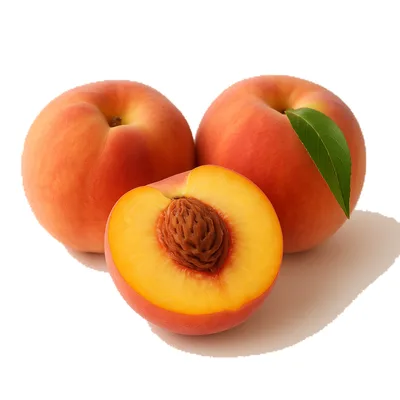
E and o can be open or closed. A famous example: la pèsca (the peach) and la pésca (fishing) are spelt the same. Relax: in Milan, Rome and Naples even Italians don’t agree, and everyone will understand you anyway.
la pèsca: the peachla pésca: fishing
C and G: hard or soft?
C and g have two sounds. The next letter decides: before a, o, u they are hard, before e and i they become soft.
Spelling
Sound
Examples
ca · co · cu
hard, like k in “kite”
casa
cosa
cuore
che · chi
hard, like k in “kite”
perché
chiave
ce · ci
soft, like ch in “cheese”
cena
dieci
cia · cio · ciu
soft, like ch in “cheese”
ciao
cioccolato
ciuffo
ga · go · gu
hard, like g in “go”
gatto
gonna
gusto
ghe · ghi
hard, like g in “go”
spaghetti
ghiaccio
ge · gi
soft, like j in “jam”
gelato
girasole
gia · gio · giu
soft, like j in “jam”
giallo
giorno
giugno
H is a wall: placed between c and e or i, it stops the softness. That is why chiave and spaghetti stay hard. So ch in Italian is always a k: Chianti is “kee-anti”, never “chee-anti”.
I is a silent bridge: in ciao, giallo and giorno the i is only there to make the consonant soft. You don’t say “chee-ao” but ciao, one single syllable.
Exercise 1 · Hard or soft?
Read the word and choose the sound. After your answer you will hear how it is pronounced.
1.cena
2.chiesa
3.cuoco
4.ciao
5.gelato
6.ghiaccio
7.gonna
8.giorno
9.anche
10.dieci
11.spaghetti
12.arancia
The special sounds
Seven groups of letters to know. Listen to the words and repeat them aloud.
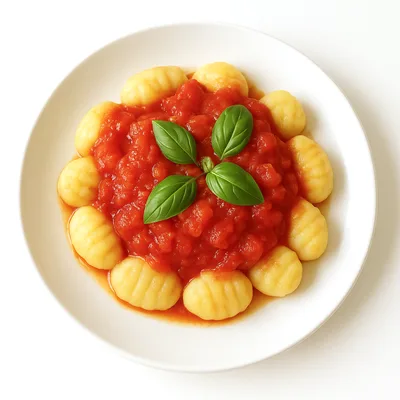
gn as in gnocchi
One single sound, like ny in “canyon” or “onion”. The g is not heard: not “g-nocchi” and not “nocky”, but “nyocki”.
gnocchi
bagno
lasagne
Spagna
gli as in aglio
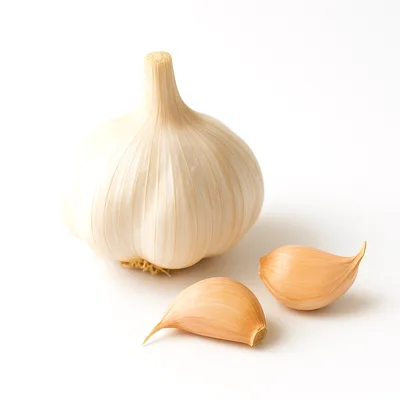
A soft l, close to lli in “million”, but as one sound: the middle of your tongue presses on the roof of your mouth. The g is silent.
aglio
figlio
famiglia
moglie
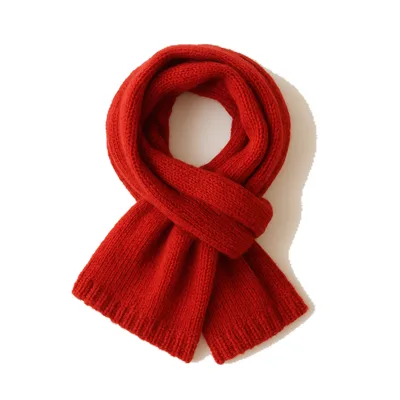
sc as in sciarpa
Before e and i it is sh as in “shoe”: scena, pesce. Before a, o, u, and with h, it is sk: scuola, schiena.
sciarpa
pesce
scena
scuola
schiena
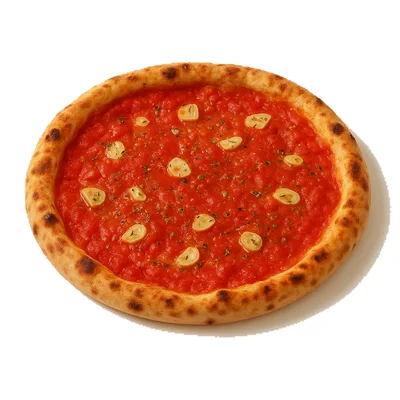
z as in pizza and zebra
Two sounds: ts as in “cats” (pizza, grazie) and dz as in “kids” (zebra, zero). Never the English “z” of “zoo”. If you mix up the two, nobody will notice: it changes from region to region.
pizza
grazie
zebra
zero
s as in sole and rosa
At the start of a word it hisses like a snake, as in “sun”: sole, sale. Between two vowels, in the north, it buzzes like the s in “rose”: rosa, casa.
sole
sale
rosa
casa
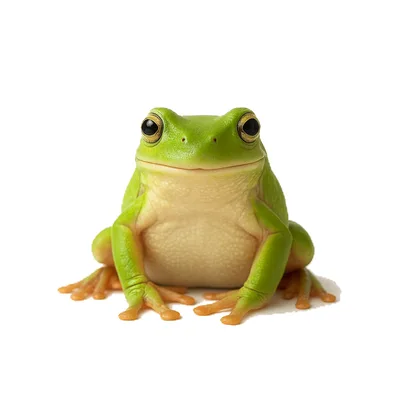
r as in rana
The tip of your tongue taps once behind your upper teeth: a single r is one tap (caro), a double rr is a little drum roll (carro). Your lips stay still: it is not the English “r”.
rana
Roma
caro
carro
h: the shy letter
It has no sound at all, as in “hour”. Ho, hai, ha, hanno are read “o”, “ai”, “a”, “anno”. It only exists to tell written words apart and to make c and g hard.
ho
hai
ha
hanno
Double consonants: the cat’s jump
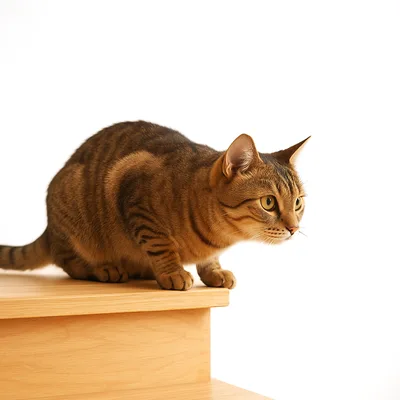
A double consonant isn’t just written twice: it is pronounced longer. Think of a cat about to jump: it stops for a moment, gets ready… and jumps. In cassa your voice rests on the s before moving on; in casa it doesn’t.
How to do it: English already has double consonants, but only between two words: “book case”, “mid day”, “unnamed”. Italian does the same thing inside one word. With tt, pp, cc your mouth closes and waits an instant (tutto, pappa). With ss, ll, nn, mm, rr the sound gets longer (cassa, palla, nonno). And the vowel before a double becomes shorter.
One letter changes everything
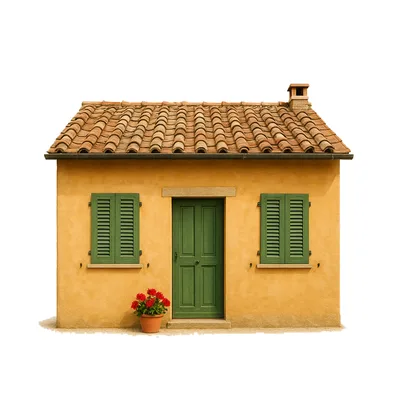
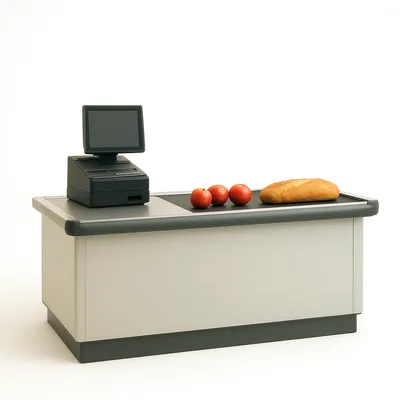
casa – house≠cassa – checkout
nono – ninth≠nonno – grandfather
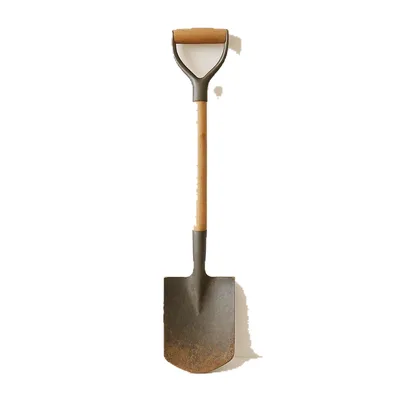
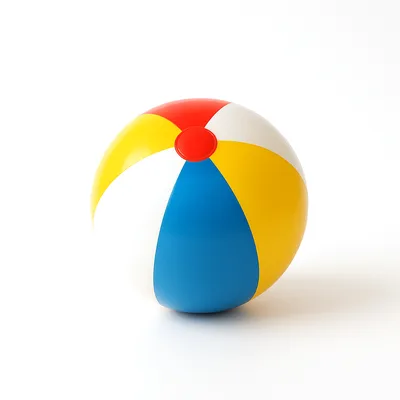
pala – shovel≠palla – ball
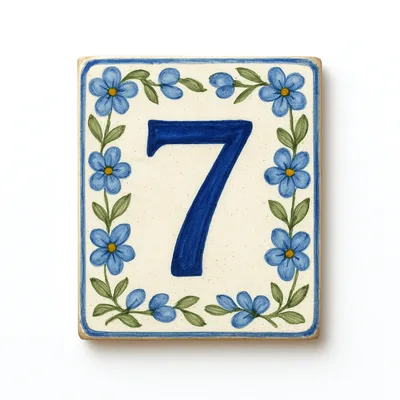
sete – thirst≠sette – seven
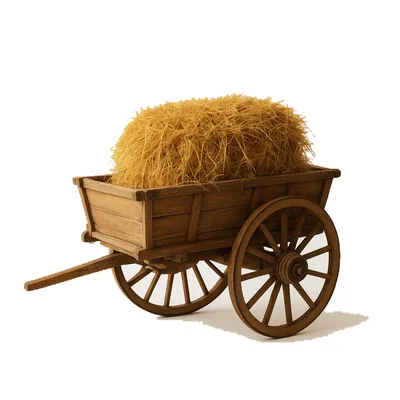
caro – expensive≠carro – cart
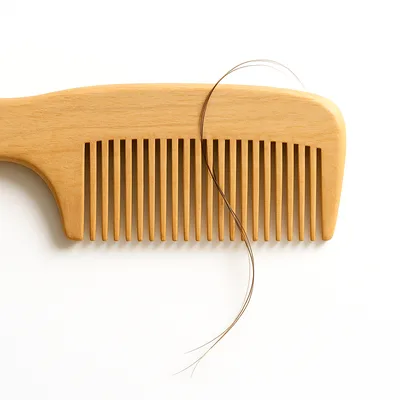
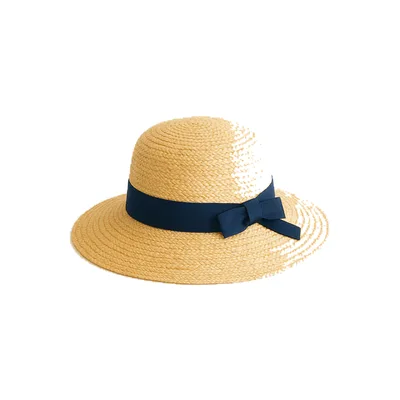
capello – a (single) hair≠cappello – hat
pena – pity≠penna – pen
sono – I am≠sonno – sleepiness
casa
cassa
Careful with your New Year’s wishes: on 31 December Italians say Buon anno! (Happy New Year), with two n’s. With a single n you are wishing good luck… to a part of the body nobody mentions at the dinner table. Italians will laugh, but you: stretch that n!
Buon anno!
Exercise 2 · Listen and choose
Press ▶, listen and choose the word you heard. With “New round” the page picks other words.
1.
2.
3.
4.
5.
6.
7.
8.
9.
10.
11.
12.
Stress: where your voice lands
In every word one syllable is stronger than the others. It is usually the second to last, but not always. The accent is written only when it falls on the last vowel. And unlike English, the other vowels don’t shrink: banana has three equal, clear a’s.
On the second-to-last syllable: almost every word
casa
amico
ragazza
parlare
On the last: the accent is written
città
caffè
perché
papà
On the third-to-last: few words, but common ones
telefono
macchina
sabato
zucchero
One accent, two words
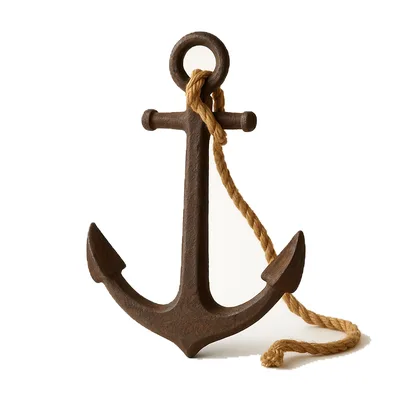
Same letters, different stress: l’àncora is the anchor that holds a ship, ancóra means “again, more”. And don’t call your dad, papà, “il papa”: that’s the Pope!
l’àncora: the anchorancóra: more, againil papà: dad
The champion:càpito (I happen to be somewhere), capìto (understood: hai capito?) and capitò (it happened). Three words, the same letters.
Hai capito?
Capitò tutto in un giorno.
Exercise 3 · Tap the strong syllable
Listen to the word and tap the syllable your voice lands on.
1.
2.
3.
4.
5.
6.
7.
8.
9.
10.
The traps for English speakers
Every language stumbles in a different place. These are the six habits that give away an English accent in Italian, and how to fix them.
The good news: you already have most Italian sounds. The ch of “cheese” (ciao), the j of “jam” (gelato), the sh of “shoe” (pesce) and the ts of “cats” (pizza) are all in English.
Vowels that slide
In English “no” becomes “noh-oo” and “say” becomes “seh-ee”. In Italian the vowel stays still from start to finish: no, sole, Roma. Keep your mouth frozen in the same position.
no
sole
Roma
Vowels that shrink
English turns unstressed vowels into “uh”: “banana” = “buh-NA-nuh”. Italian never does: every vowel is full, stressed or not.
banana
pasta
telefono
The r you already know
Say “butter” or “water” the American way, quickly: the tap in the middle is the Italian single r! Now put it in caro and ora. For rr and the r at the start of a word, tap several times.
caro
ora
Roma
carro
Ch is always k
English reads ch as in “church”, Italian as k. Bruschetta is “brus-KET-ta”, not “brushetta”; chiesa (church) starts with a k.
bruschetta
Chianti
chiesa
P and t without a puff of air
Put your hand in front of your mouth and say “pin”: you feel a puff of air. Italian p, t and c don’t have it. Say pasta with your hand there: no wind!
pasta
tutto
Pisa
The silent h
Hotel is “otel”, ho fame is “o fame”. As in “hour”, always.
hotel
ho fame
hanno ragione
Exercise 4 · Trap pairs
Five pairs with c / ch and sc / sch, five with single and double consonants. Listen and choose.
1.
2.
3.
4.
5.
6.
7.
8.
9.
10.
Tongue twisters: a gym for your mouth
Gli scioglilingua (literally “tongue melters”) are sentences made on purpose to trip you up. Italians say them to children, and everyone laughs. Listen, repeat slowly, then faster and faster. Record yourself and compare!
Trentatré trentini entrarono a Trento, tutti e trentatré trotterellando.
“Thirty-three people from Trento entered Trento, all thirty-three trotting.” Trains the r and the double t: a burst of tr.
Apelle, figlio di Apollo, fece una palla di pelle di pollo.
“Apelles, son of Apollo, made a ball out of chicken skin.” Trains double consonants (palla, pelle, pollo) and the gli sound.
Il cuoco cuoce in cucina e dice che la cuoca giace e tace perché sua cugina non cucina.
“The cook cooks in the kitchen and says the cook lies there quiet because her cousin doesn’t cook.” Trains hard and soft c: cuoco, cuoce, cucina, giace.
Sereno è, sereno sarà, se non sarà sereno, si rasserenerà.
“Clear it is, clear it will be; if it isn’t clear, it will clear up.” Trains s and r: sereno, rasserenerà.
The challenge: can you say the first one three times in a row, fast, without a mistake? Most Italians can’t.
Your result
The listening exercises count 44 answers. Repeat them whenever you like: the words change every round.