Vocabulary A1–A2

Sea verbs

Observe the scene and discover each word through the image and three example Italian sentences.

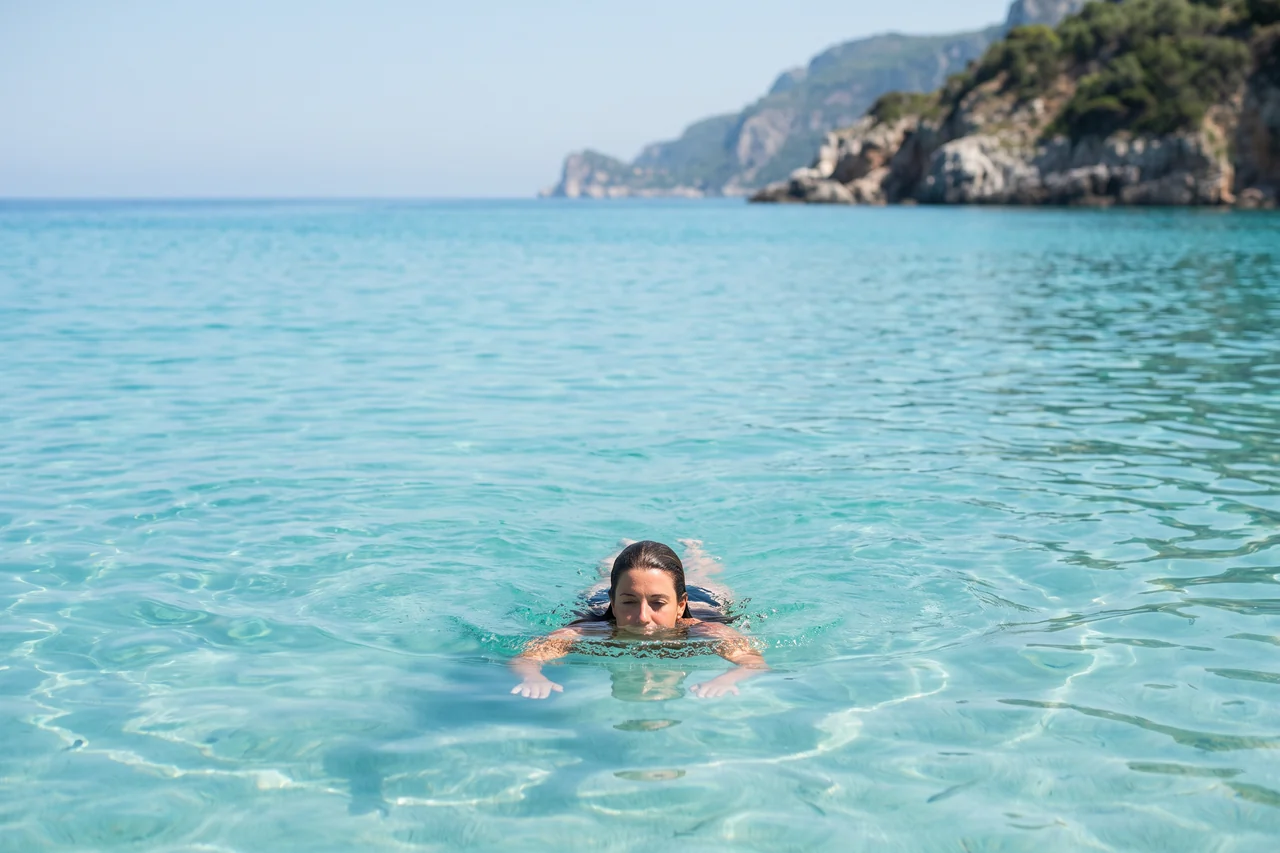
A woman swims breaststroke in the clear turquoise sea, with the rocky Italian coast in the background
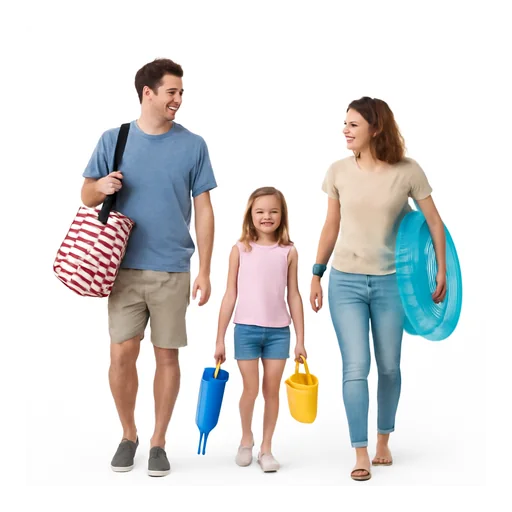
to go to the seaside

andare al mare

to go to the seaside

3 example sentences
  1. Ad agosto andiamo al mare.
  2. Sei andato al mare quest’estate?
  3. Da piccola andavo al mare con i nonni.
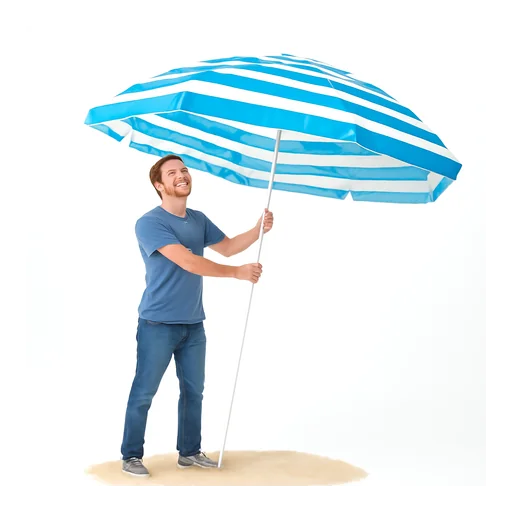
to open the beach umbrella

aprire l’ombrellone

to open the beach umbrella

3 example sentences
  1. Apri l’ombrellone, c’è troppo sole!
  2. Papà apre l’ombrellone e noi ci sediamo sotto.
  3. Non riesco ad aprire l’ombrellone: c’è vento.
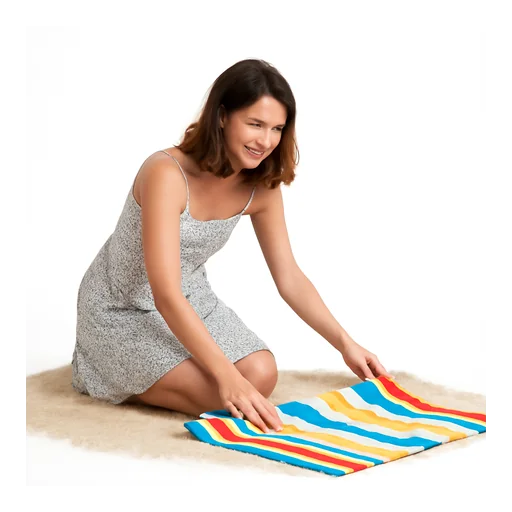
to spread out your towel

stendere l’asciugamano

to spread out your towel

3 example sentences
  1. Stendo l’asciugamano vicino all’acqua.
  2. Dove stendiamo gli asciugamani?
  3. Ha steso l’asciugamano e si è sdraiata al sole.
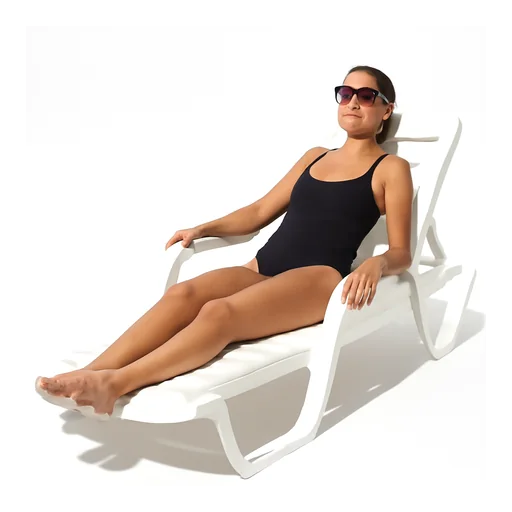
to get a tan

abbronzarsi

to get a tan

3 example sentences
  1. Mi abbronzo subito.
  2. Quest’estate ti sei abbronzato molto!
  3. Per abbronzarsi senza scottarsi serve la crema.
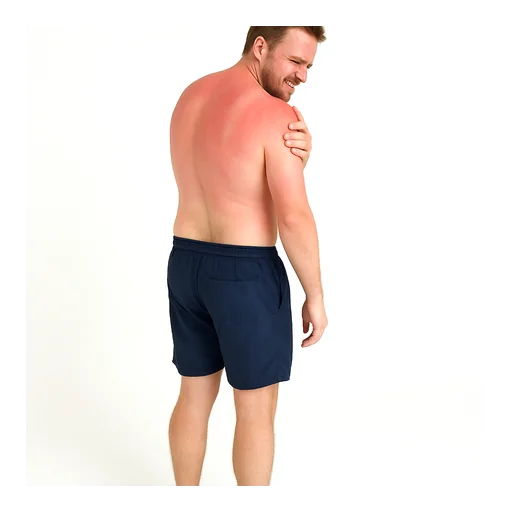
to get sunburnt, to burn yourself

scottarsi

to get sunburnt, to burn yourself

3 example sentences
  1. Mi sono scottato le spalle.
  2. Metti la crema, se no ti scotti!
  3. Attenta, il caffè è caldo: ti scotti.
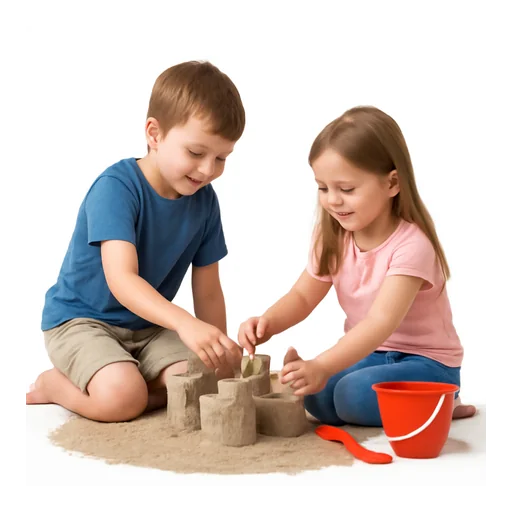
to build a sandcastle

fare un castello di sabbia

to build a sandcastle

3 example sentences
  1. I bambini fanno un castello di sabbia.
  2. Facciamo un castello di sabbia enorme!
  3. Il mare ha distrutto il nostro castello di sabbia.
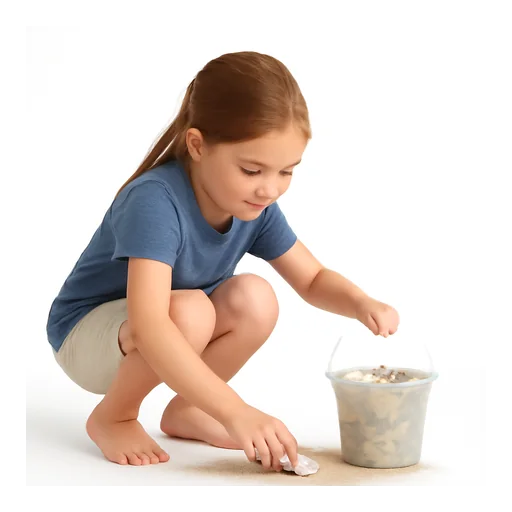
to collect shells

raccogliere le conchiglie

to collect shells

3 example sentences
  1. La mattina presto raccolgo le conchiglie.
  2. Mia figlia raccoglie le conchiglie più belle.
  3. Abbiamo raccolto le conchiglie sulla riva.
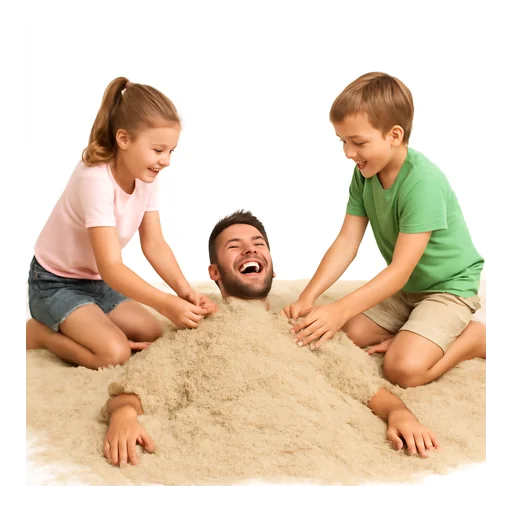
to bury in the sand

seppellire nella sabbia

to bury in the sand

3 example sentences
  1. I bambini seppelliscono papà nella sabbia.
  2. Non seppellirmi nella sabbia!
  3. Ho seppellito le chiavi nella sabbia e non le trovo più.
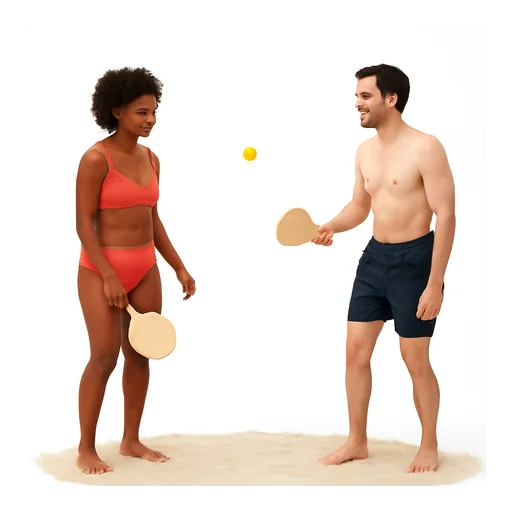
to play beach tennis (with wooden paddles)

giocare a racchettoni

to play beach tennis (with wooden paddles)

3 example sentences
  1. Giochiamo a racchettoni sulla riva?
  2. Mio nonno gioca a racchettoni ogni mattina.
  3. Non giocate a racchettoni vicino agli ombrelloni!
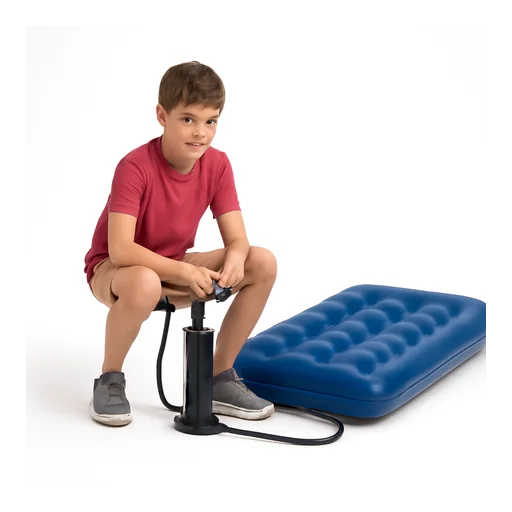
to blow up the air mattress

gonfiare il materassino

to blow up the air mattress

3 example sentences
  1. Mi aiuti a gonfiare il materassino?
  2. Gonfio il materassino con la pompa.
  3. Il bambino ha gonfiato il salvagente da solo.
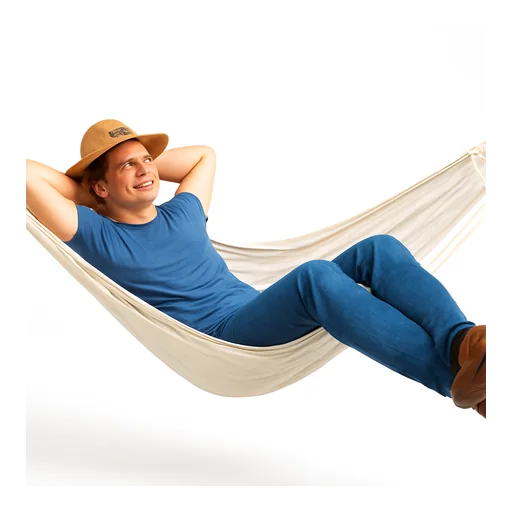
to relax

rilassarsi

to relax

3 example sentences
  1. In vacanza voglio solo rilassarmi.
  2. Rilassati, non c’è fretta!
  3. Leggere un libro mi rilassa.
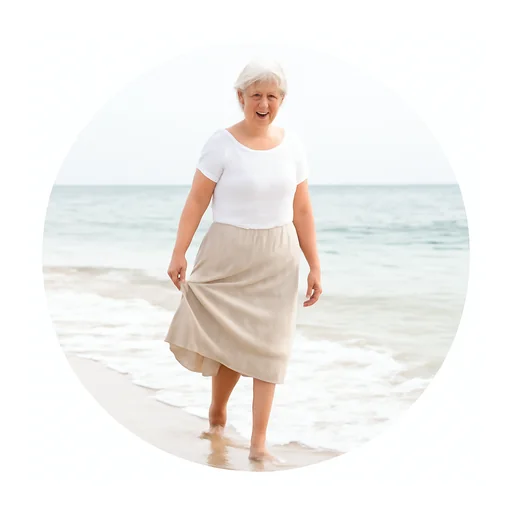
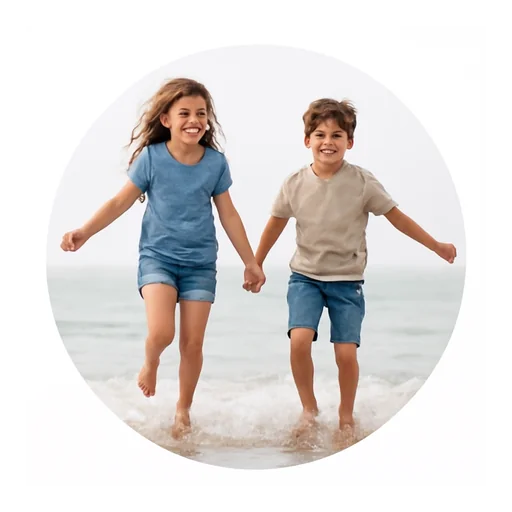
to get your feet wet, to paddle

bagnarsi i piedi

to get your feet wet, to paddle

3 example sentences
  1. L’acqua è fredda: mi bagno solo i piedi.
  2. Ci bagniamo i piedi e torniamo a casa.
  3. La nonna si è bagnata i piedi sulla riva.
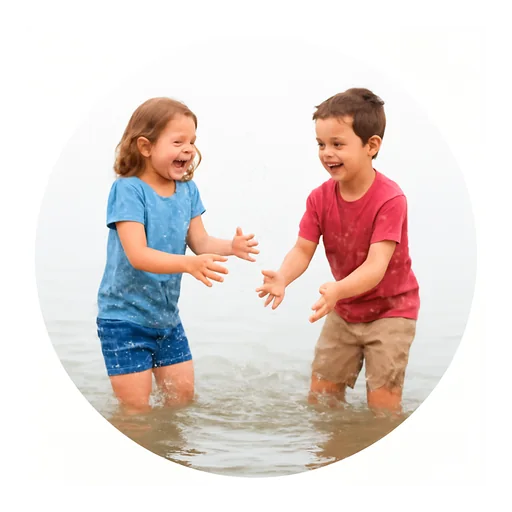
to splash

schizzare

to splash

3 example sentences
  1. Non schizzarmi, l’acqua è fredda!
  2. I bambini si schizzano e ridono.
  3. La macchina mi ha schizzato passando nella pozzanghera.
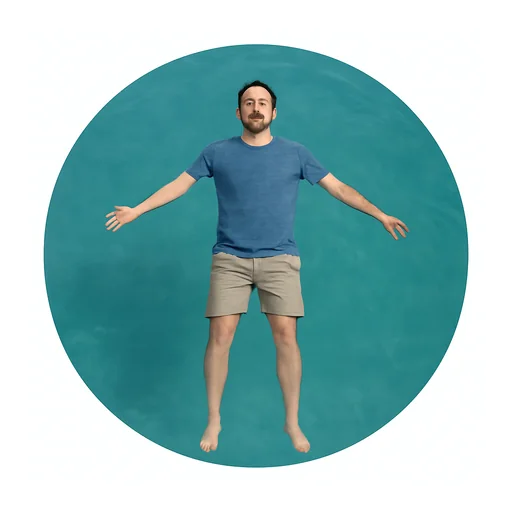
to float on your back

fare il morto

to float on your back

3 example sentences
  1. Non so nuotare bene, ma so fare il morto.
  2. Faccio il morto e guardo il cielo.
  3. Il maestro ci ha insegnato a fare il morto.
to jump over the waves

saltare le onde

to jump over the waves

3 example sentences
  1. I ragazzi saltano le onde tutto il pomeriggio.
  2. Vieni a saltare le onde con me?
  3. Oggi il mare è mosso: si possono saltare le onde.
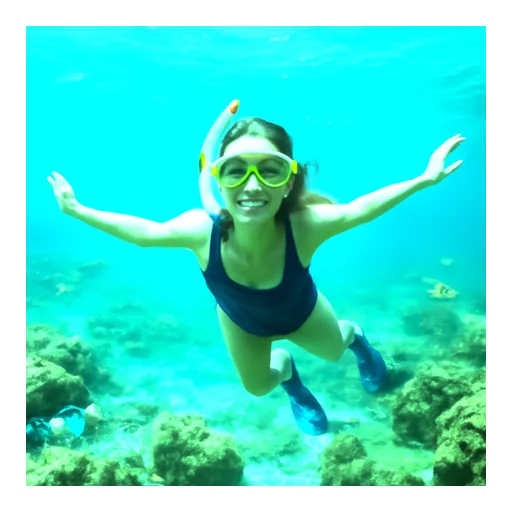
to go snorkelling

fare snorkeling

to go snorkelling

3 example sentences
  1. Facciamo snorkeling vicino agli scogli.
  2. Facendo snorkeling ho visto un polpo.
  3. Hai mai fatto snorkeling?
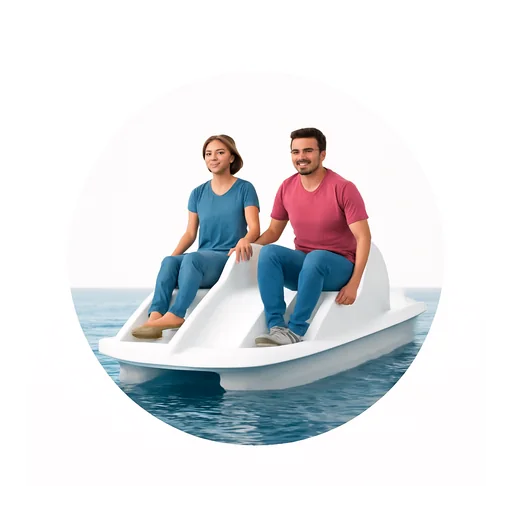
to go out on a pedalo

andare in pedalò

to go out on a pedalo

3 example sentences
  1. Andiamo in pedalò fino alla boa?
  2. Siamo andati in pedalò con i bambini.
  3. Andare in pedalò è faticoso per le gambe!
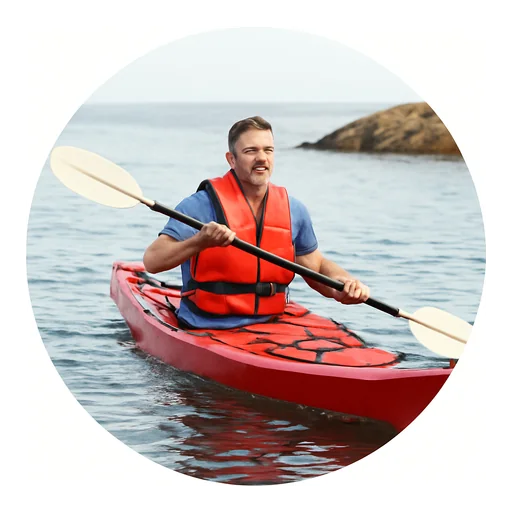
to go canoeing, to go kayaking

andare in canoa

to go canoeing, to go kayaking

3 example sentences
  1. Domani andiamo in canoa lungo la costa.
  2. Sai andare in canoa?
  3. Siamo andati in canoa fino alla grotta.
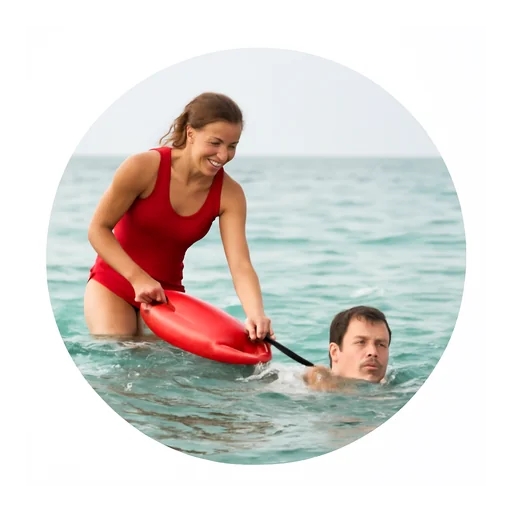
to save, to rescue

salvare

to save, to rescue

3 example sentences
  1. Il bagnino ha salvato un bambino.
  2. Mi hai salvato la vita!
  3. I pompieri hanno salvato il gatto.
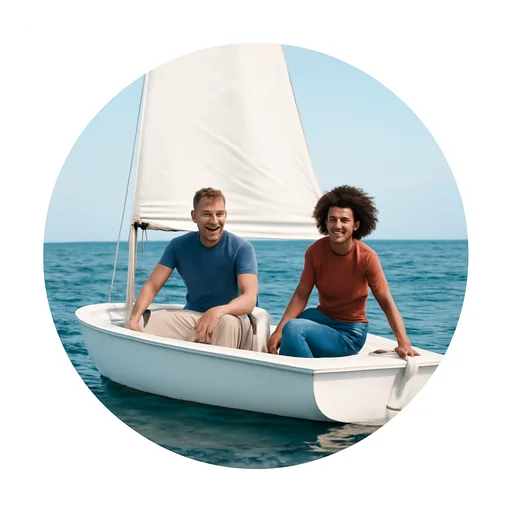
to go sailing

andare in barca a vela

to go sailing

3 example sentences
  1. D’estate andiamo in barca a vela.
  2. Mio zio mi ha insegnato ad andare in barca a vela.
  3. Oggi non c’è vento: non si va in barca a vela.
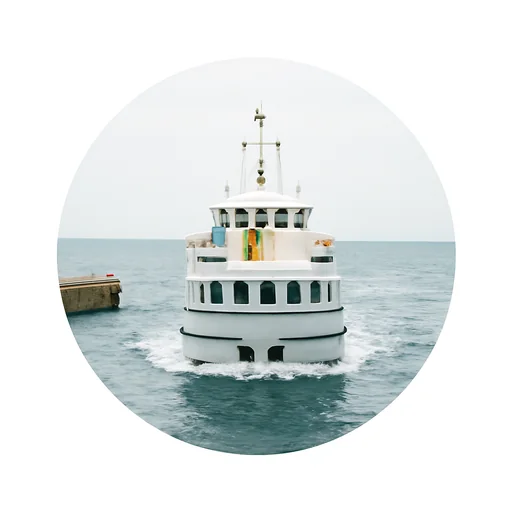
to set sail, to leave port

salpare

to set sail, to leave port

3 example sentences
  1. Il traghetto salpa alle otto.
  2. Siamo salpati all’alba.
  3. La nave salpa tra dieci minuti.
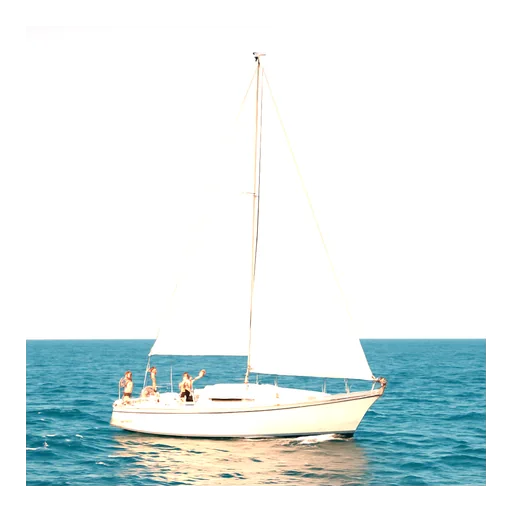
to sail, to navigate

navigare

to sail, to navigate

3 example sentences
  1. Abbiamo navigato per tre giorni.
  2. La nave naviga verso la Sicilia.
  3. Mi piacerebbe navigare intorno al mondo.
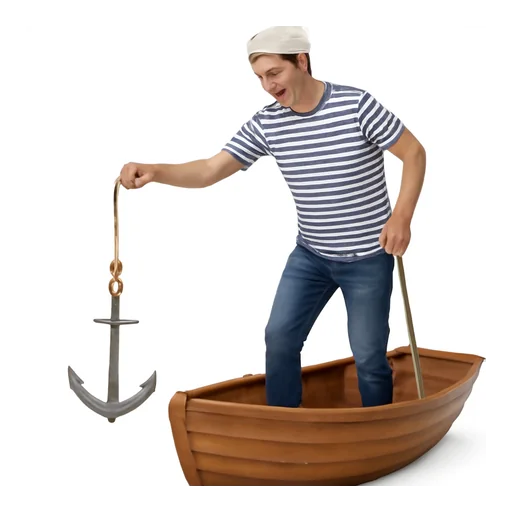
to drop anchor

gettare l’ancora

to drop anchor

3 example sentences
  1. Gettiamo l’ancora in questa baia.
  2. Il capitano ha gettato l’ancora vicino all’isola.
  3. Qui non si può gettare l’ancora.
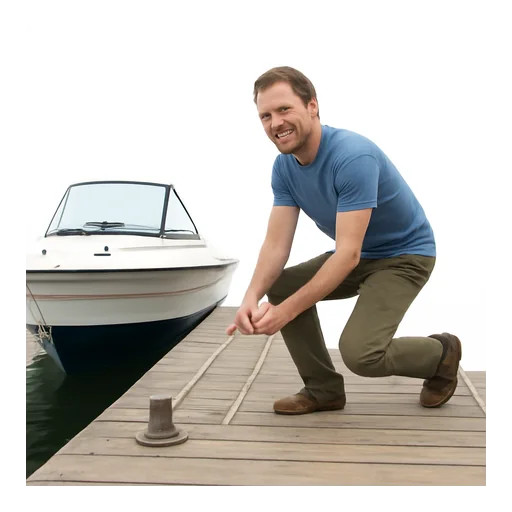
to dock, to moor

attraccare

to dock, to moor

3 example sentences
  1. Il traghetto attracca al molo tre.
  2. Abbiamo attraccato nel porto di Capri.
  3. Aspetta che la barca attracchi prima di scendere.
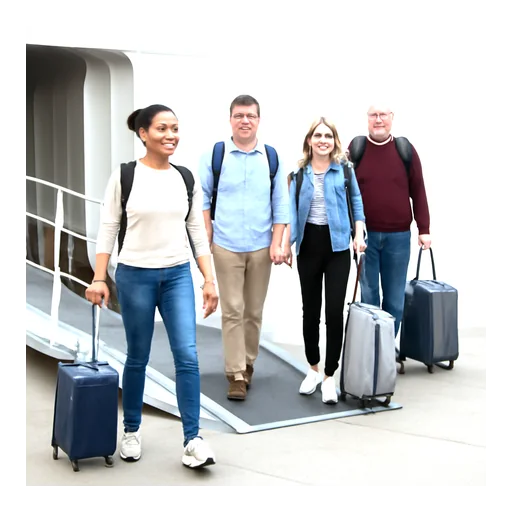
to disembark, to get off (a boat)

sbarcare

to disembark, to get off (a boat)

3 example sentences
  1. Siamo sbarcati sull’isola a mezzogiorno.
  2. I passeggeri sbarcano dal traghetto.
  3. Prima di sbarcare, prendete i bagagli.
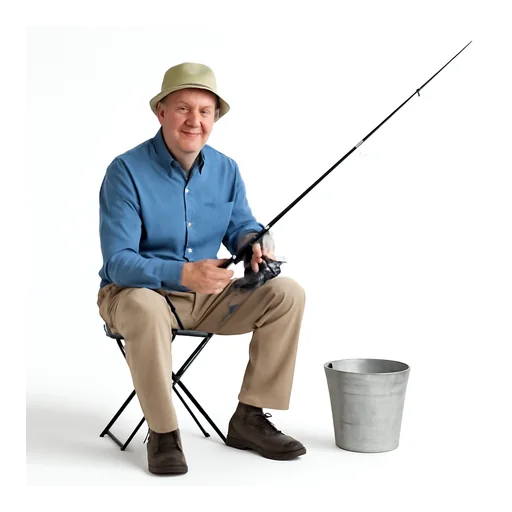
to fish, to go fishing

pescare

to fish, to go fishing

3 example sentences
  1. Mio nonno pesca sul molo ogni mattina.
  2. Andiamo a pescare domenica?
  3. Oggi non abbiamo pescato niente.
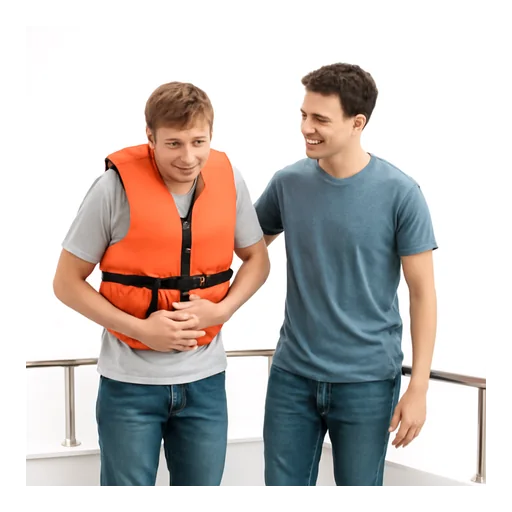
to be seasick

avere il mal di mare

to be seasick

3 example sentences
  1. Sulla barca ho sempre il mal di mare.
  2. Hai il mal di mare? Guarda l’orizzonte.
  3. Con il mare mosso tutti avevano il mal di mare.
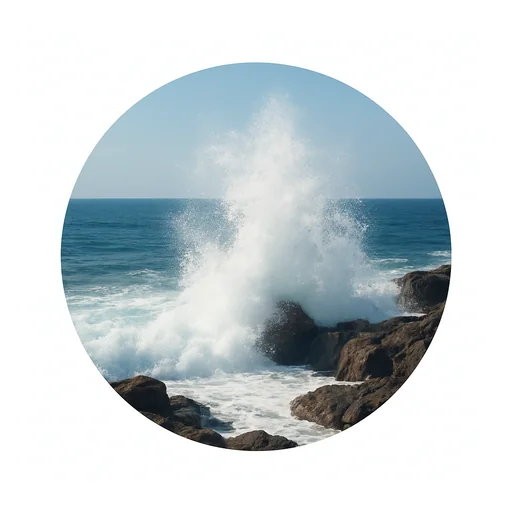
to break, to crash (of waves)

infrangersi

to break, to crash (of waves)

3 example sentences
  1. Le onde si infrangono sugli scogli.
  2. Il mare si infrangeva contro il molo.
  3. Mi piace guardare le onde che si infrangono.
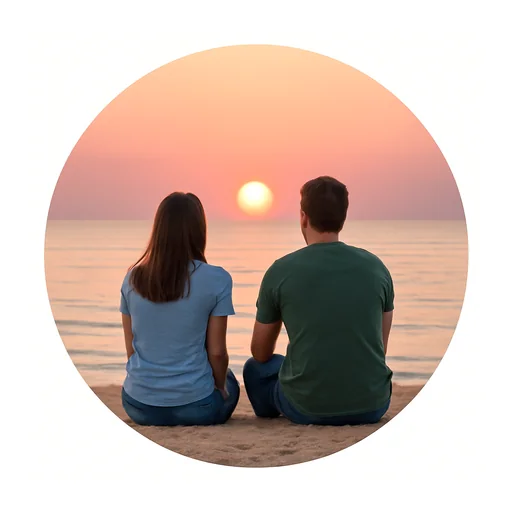
to set (of the sun)

tramontare

to set (of the sun)

3 example sentences
  1. D’estate il sole tramonta tardi.
  2. Guardiamo il sole che tramonta sul mare.
  3. Il sole è già tramontato.
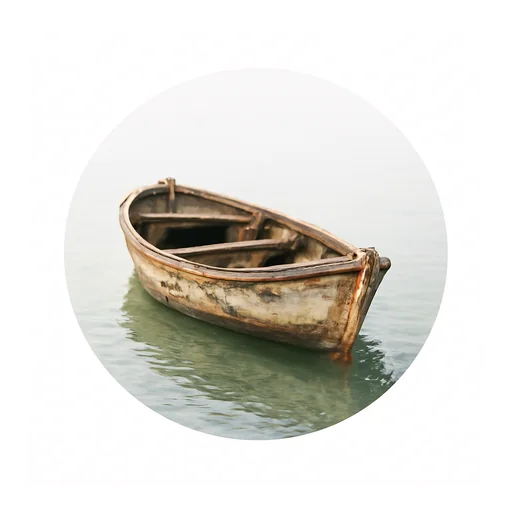
to sink

affondare

to sink

3 example sentences
  1. Il Titanic è affondato nel 1912.
  2. Il sasso affonda, il legno galleggia.
  3. La barca vecchia è affondata nel porto.
Andiamo al mare

You say andare al mare (to go to the seaside), like andare in montagna; on the sand you are in spiaggia (on the beach). At the sea fare il bagno means going in the water for a swim, not having a bath. Many sea verbs are reflexive and take essere in the passato prossimo: mi sono abbronzata (I got a tan, said by a woman), ti sei scottato (you got burnt), ci siamo bagnati i piedi (we got our feet wet), le onde si infrangono (the waves break). Salpare, sbarcare and affondare also take essere when nobody does anything to the boat: siamo salpati all’alba (we set sail at dawn), la nave è affondata (the ship sank). Fare il morto (literally “to play dead”) is nothing scary: it just means floating on your back. Sea words (beach, umbrella, boat, anchor…) are in the lesson The sea.

Drag-and-drop exercise

Look at the photo: which verb fits?

Drag a verb onto the photo it describes. Sometimes several verbs fit (a boat leaving the harbour is setting sail, but it is also sailing: navigare): one is enough, but you can add as many as you like. On a phone: tap the verb, then tap the photo.

Progress0 of 30 photos described
0%
Set 1 of 3
  1. Object to recognize: exercise 1

  2. Object to recognize: exercise 2

  3. Object to recognize: exercise 3

  4. Object to recognize: exercise 4

  5. Object to recognize: exercise 5

  6. Object to recognize: exercise 6

  7. Object to recognize: exercise 7

  8. Object to recognize: exercise 8

  9. Object to recognize: exercise 9

  10. Object to recognize: exercise 10

Verbs: drag them onto the photos or tap them

Set 2 of 3
  1. Object to recognize: exercise 11

  2. Object to recognize: exercise 12

  3. Object to recognize: exercise 13

  4. Object to recognize: exercise 14

  5. Object to recognize: exercise 15

  6. Object to recognize: exercise 16

  7. Object to recognize: exercise 17

  8. Object to recognize: exercise 18

  9. Object to recognize: exercise 19

  10. Object to recognize: exercise 20

Verbs: drag them onto the photos or tap them

Set 3 of 3
  1. Object to recognize: exercise 21

  2. Object to recognize: exercise 22

  3. Object to recognize: exercise 23

  4. Object to recognize: exercise 24

  5. Object to recognize: exercise 25

  6. Object to recognize: exercise 26

  7. Object to recognize: exercise 27

  8. Object to recognize: exercise 28

  9. Object to recognize: exercise 29

  10. Object to recognize: exercise 30

Verbs: drag them onto the photos or tap them

Free production

Phrases to translate

Write your version and compare it with the proposed solution. These activities remain saved on the device, but non modificano il punteggio.

Translate freelyIn August we go to the seaside with our grandparents.

Translate freelyDad opens the beach umbrella and I spread out the towel.

Translate freelyPut on some sun cream, otherwise you’ll get burnt instead of tanned.

Translate freelyThe children build a sandcastle and collect shells.

Translate freelyThe water is cold: I’m only getting my feet wet.

Translate freelyI can’t swim well, but I can float on my back.

Translate freelyThe lifeguard saved a boy who couldn’t get back to the shore.

Translate freelyThe ferry leaves at eight and docks in Capri at nine.

Translate freelyI always get seasick on a boat.

Translate freelyIn the evening we watch the sun setting over the sea.

Italiano con Martin

Choose who to learn Italian with

Two teachers, two perspectives. Choose the approach that best matches your interests.