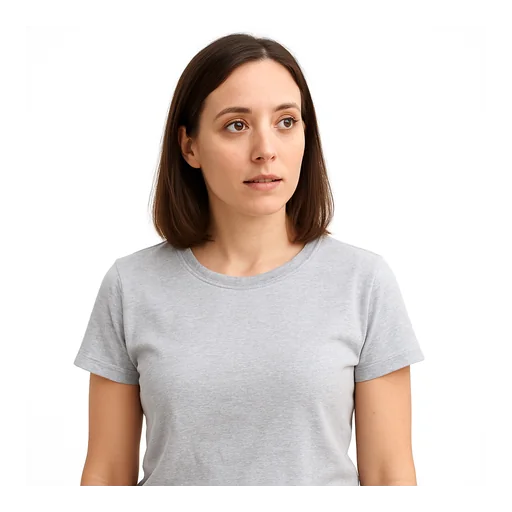
guardare
to look at
3 example sentences
- Guardo la televisione la sera.
- Guardo il mare dalla finestra.
- Guarda! Che bel tramonto!
 Italiano con Martin
Vocabulary A1–A2
Observe the scene and discover each word through the image and three example Italian sentences.
to look at

to see

to wink
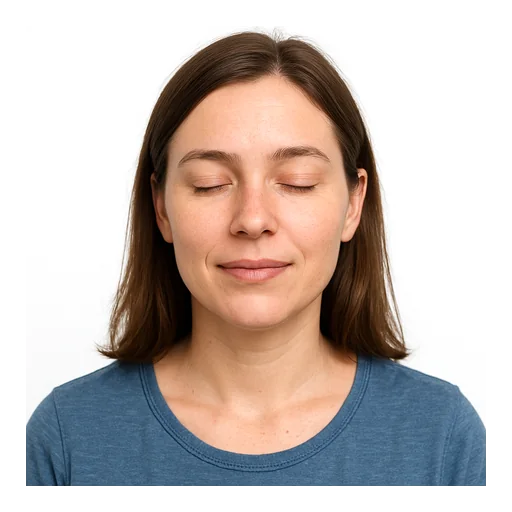
to blink
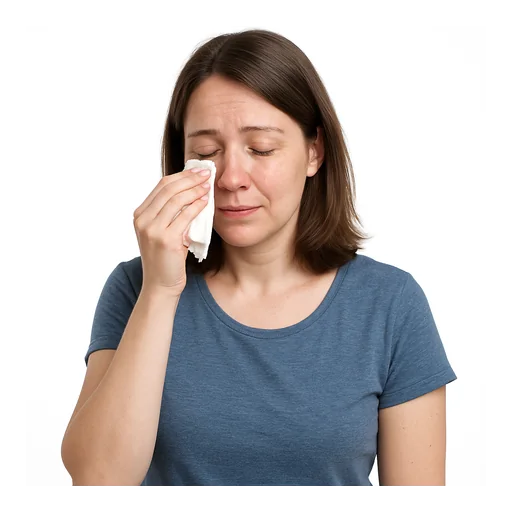
to cry
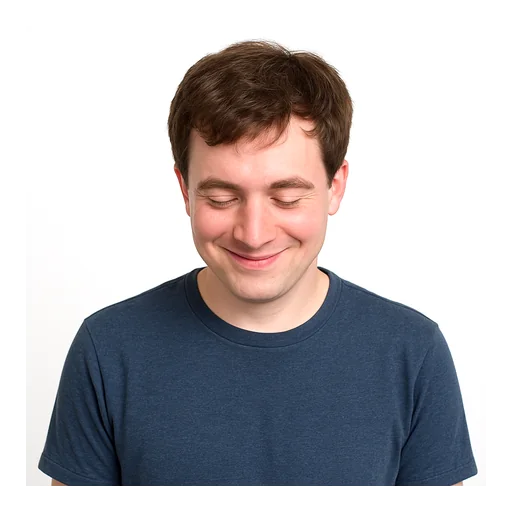
to blush
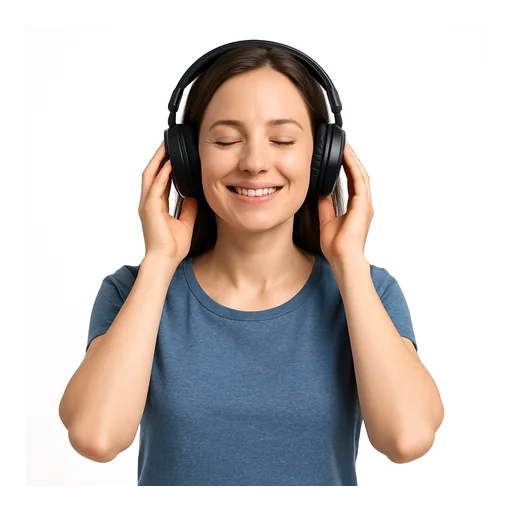
to listen
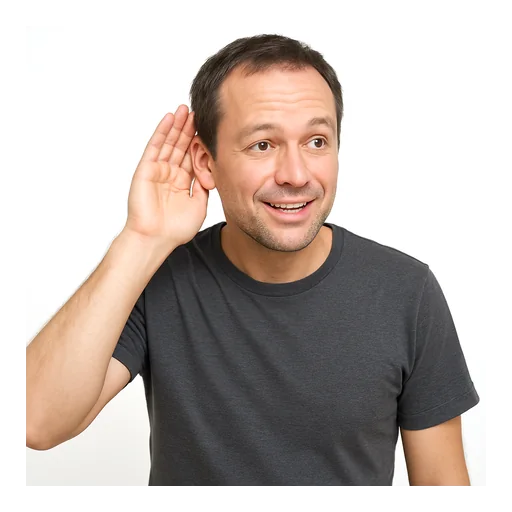
to hear
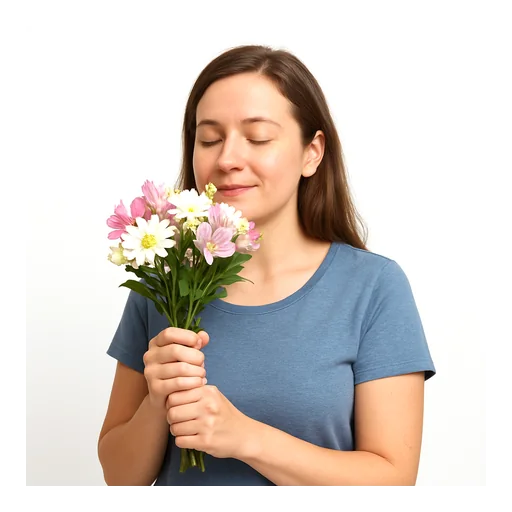
to smell, to sniff
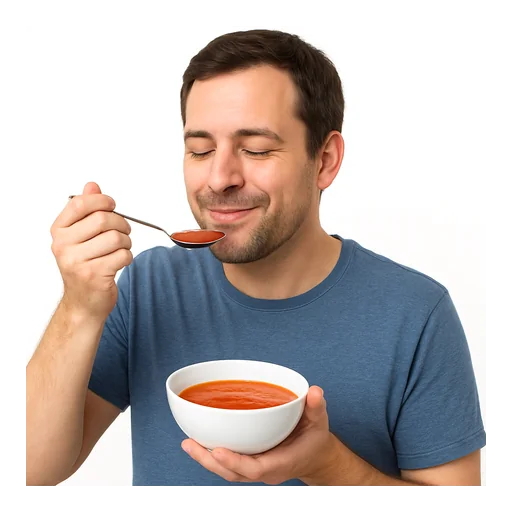
to taste
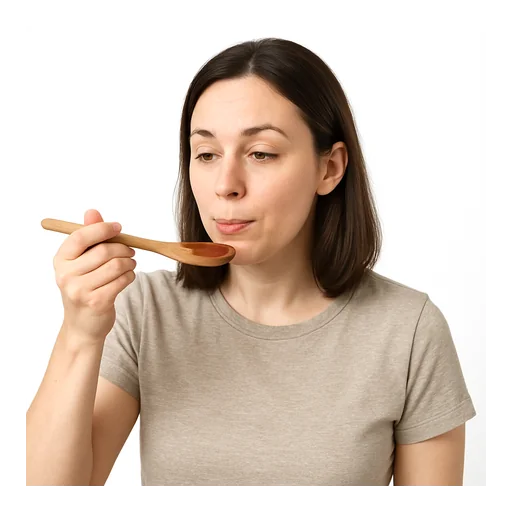
to taste (a little), to try
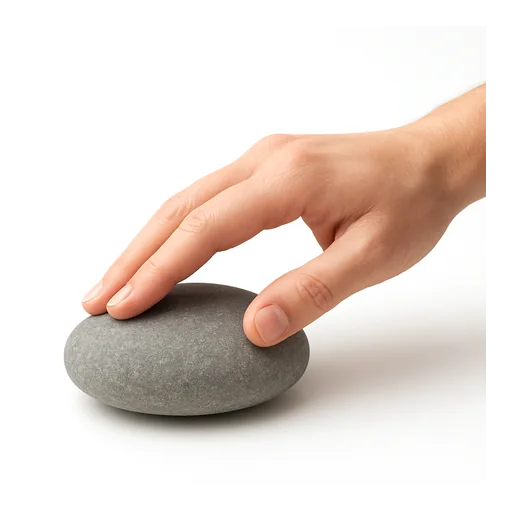
to touch
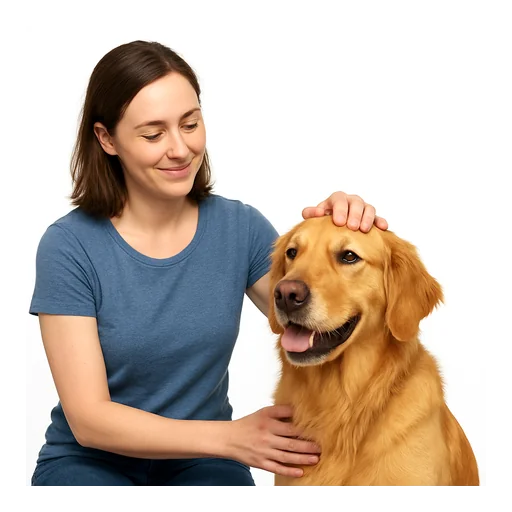
to stroke, to pet
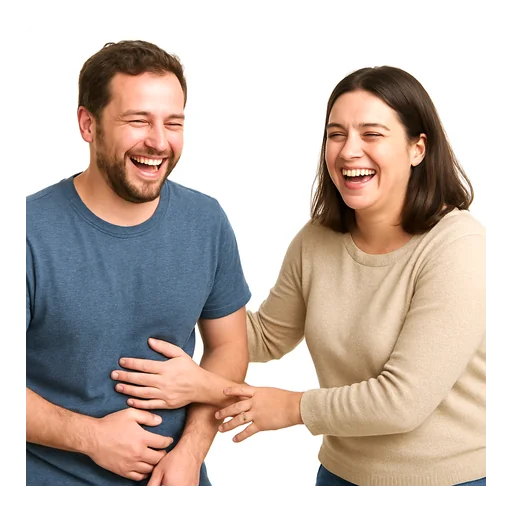
to tickle
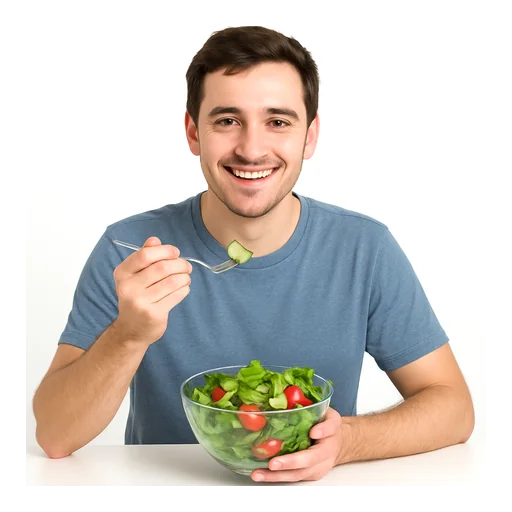
to eat
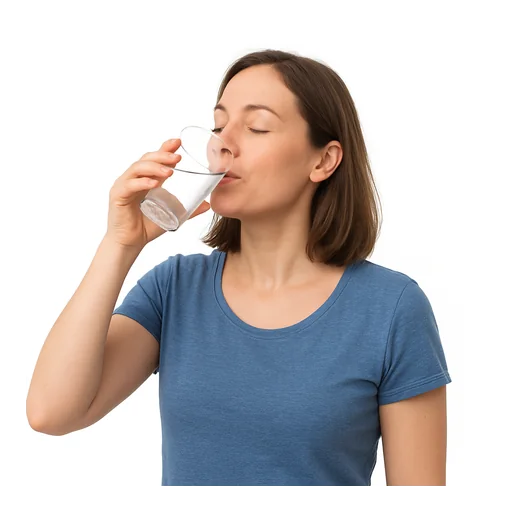
to drink
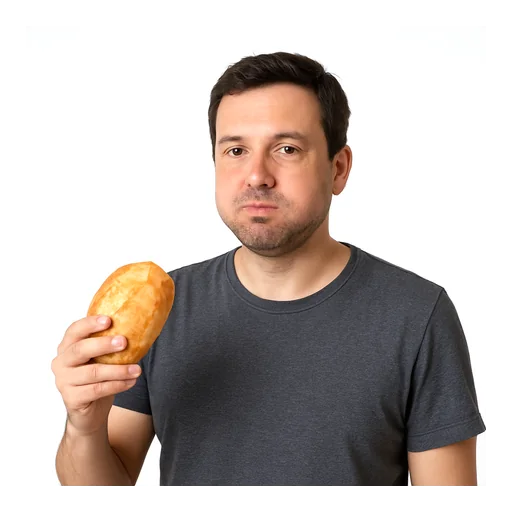
to chew
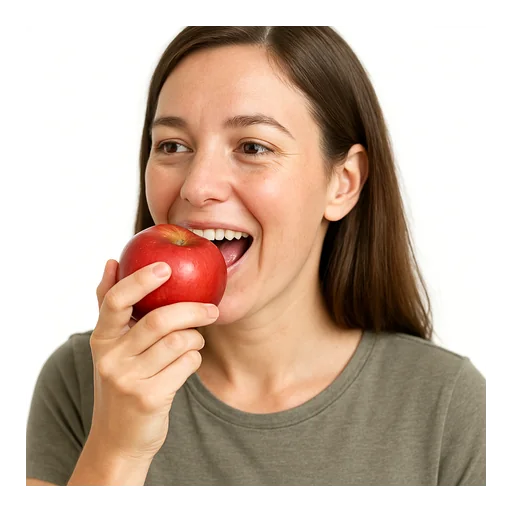
to bite
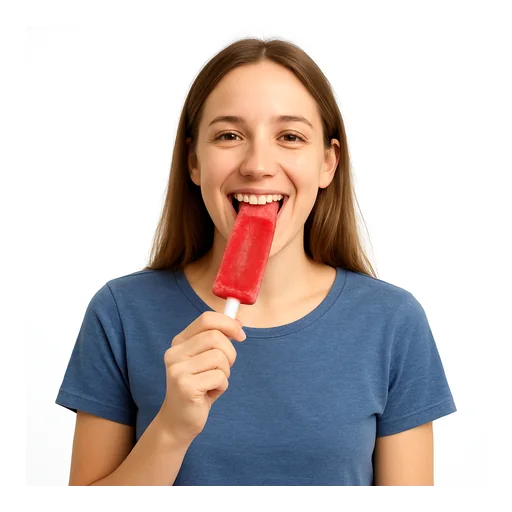
to lick
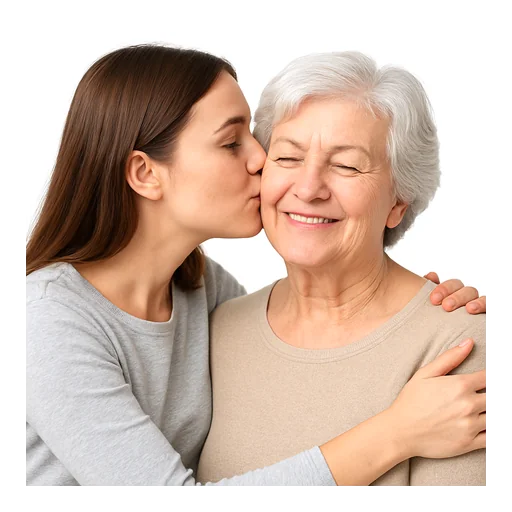
to kiss
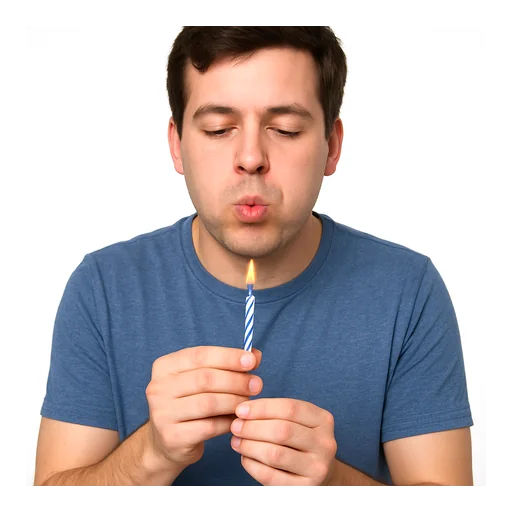
to blow
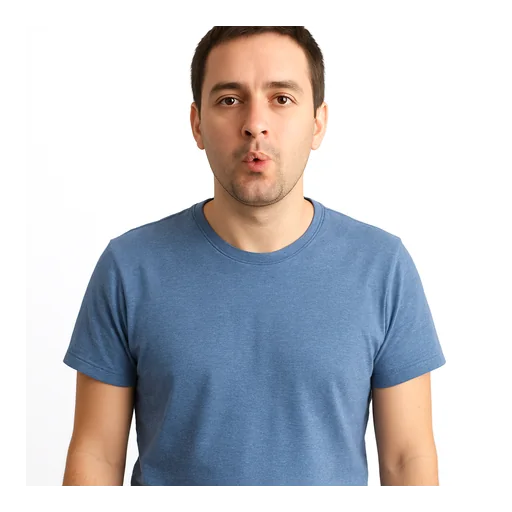
to whistle

to sing
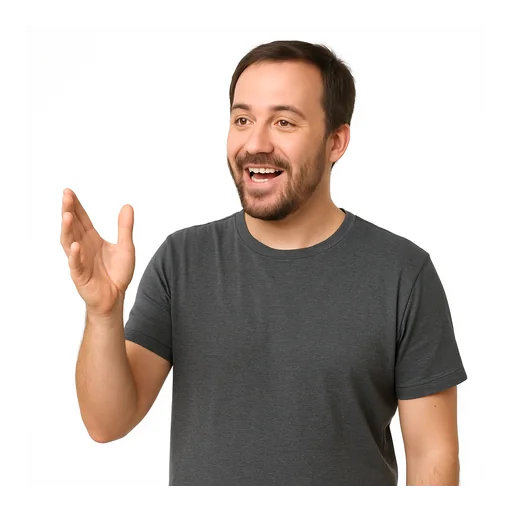
to speak, to talk
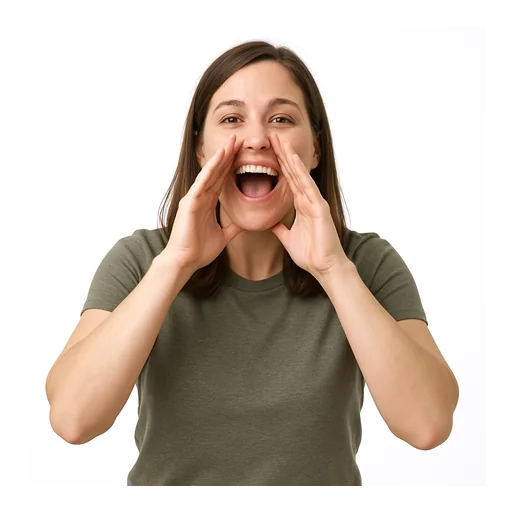
to shout
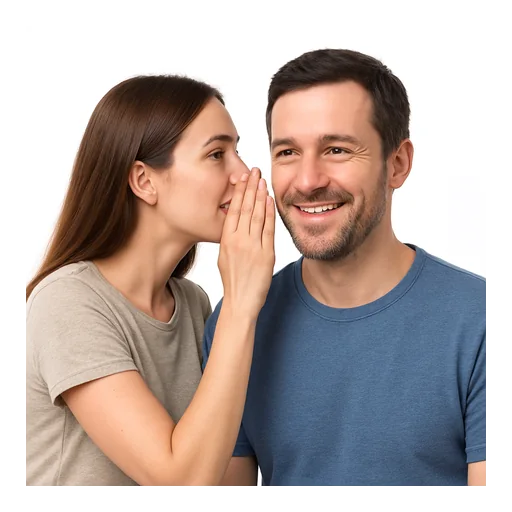
to whisper
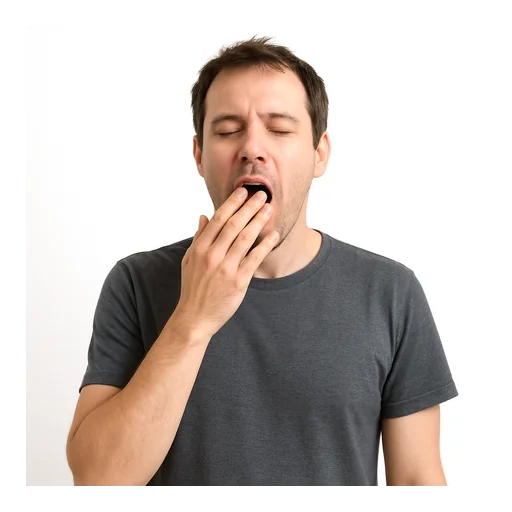
to yawn
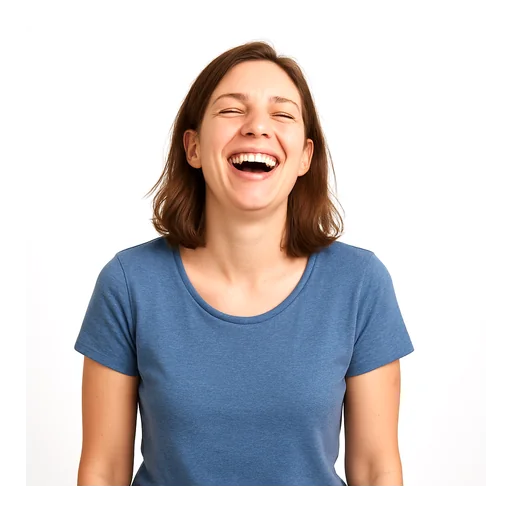
to laugh
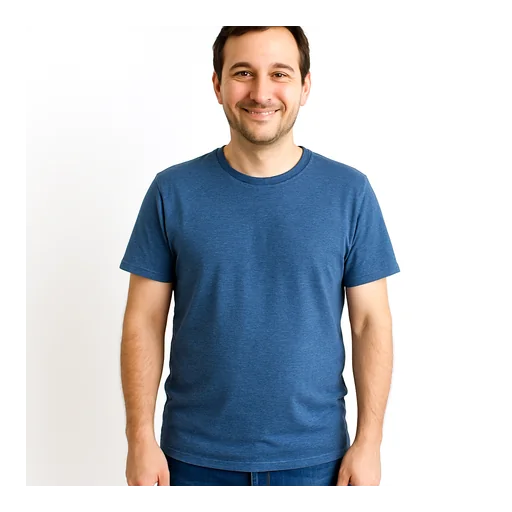
to smile
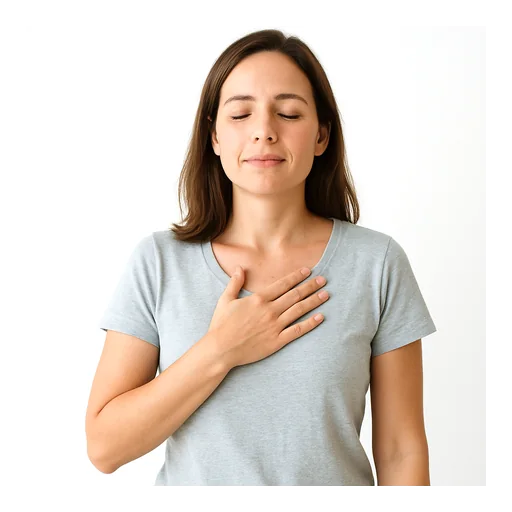
to breathe
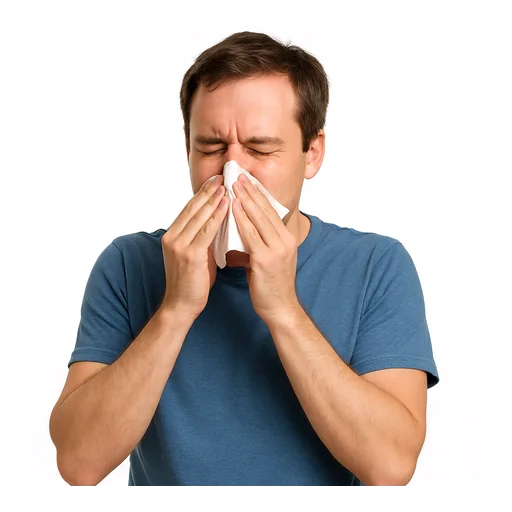
to sneeze
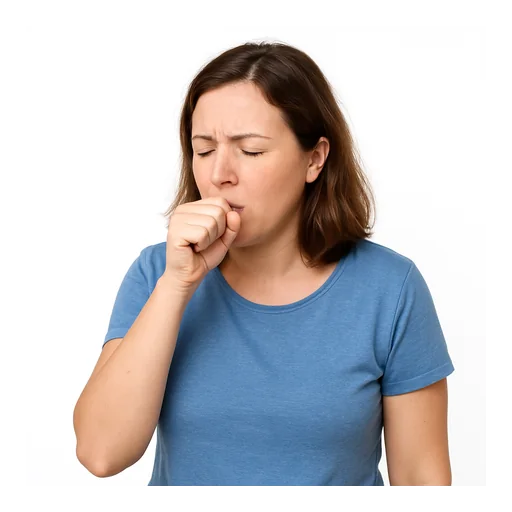
to cough
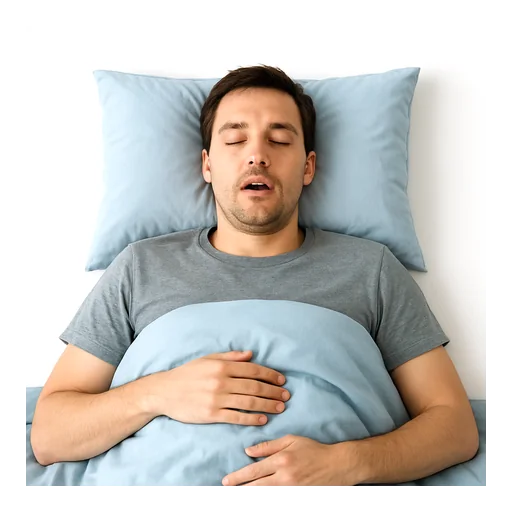
to snore
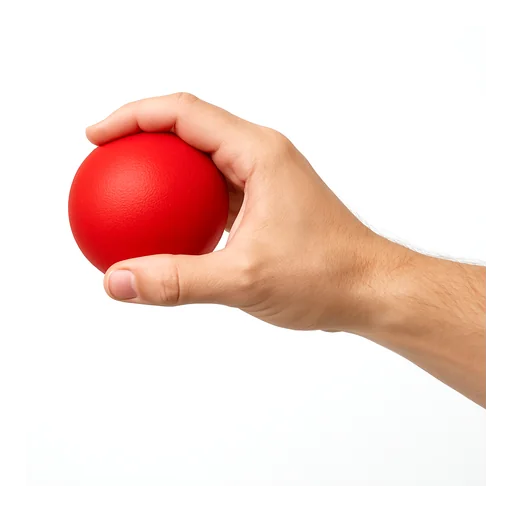
to grab
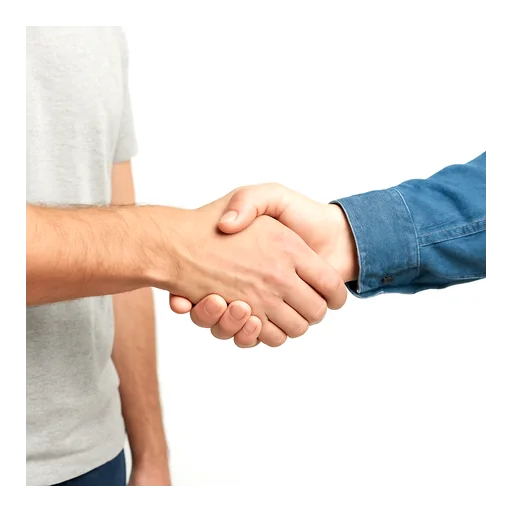
to shake hands
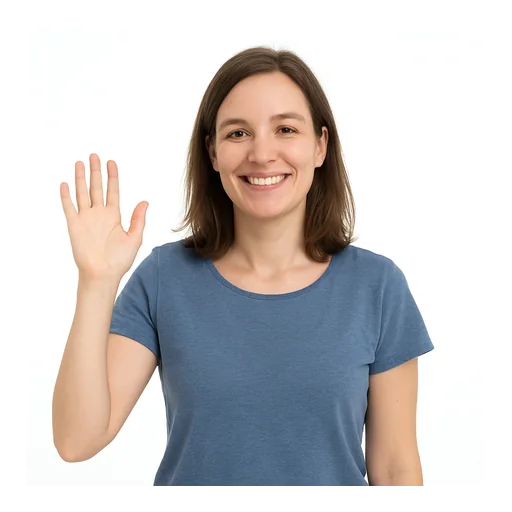
to wave
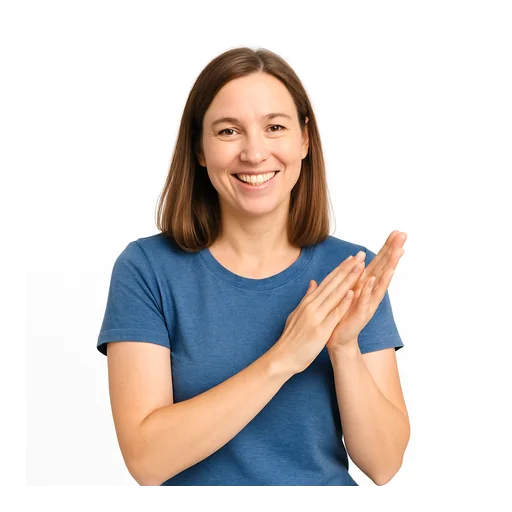
to clap
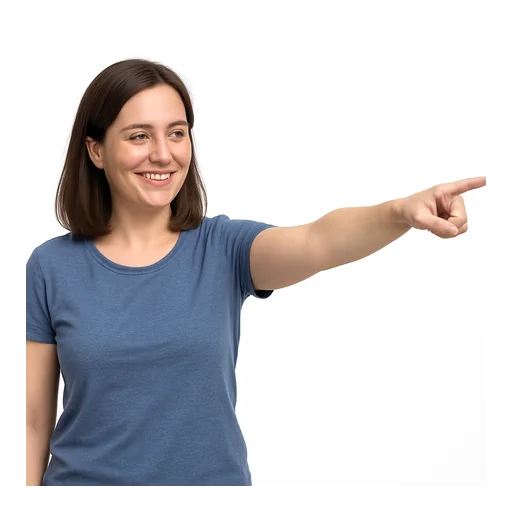
to point
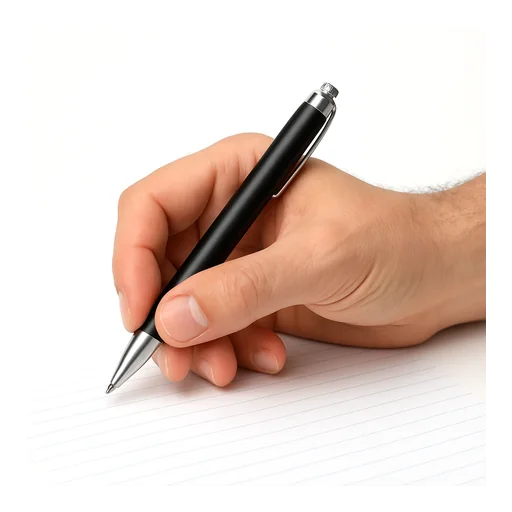
to write
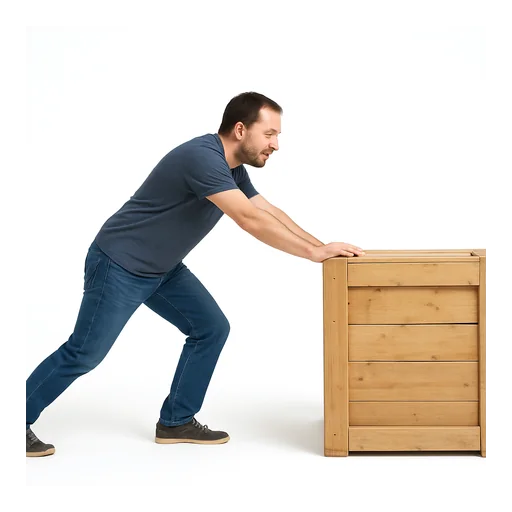
to push
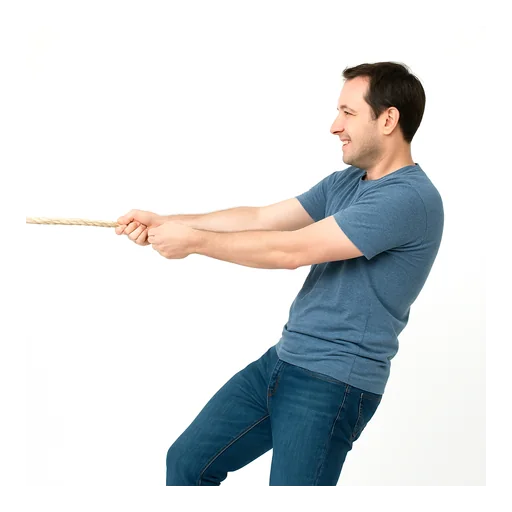
to pull
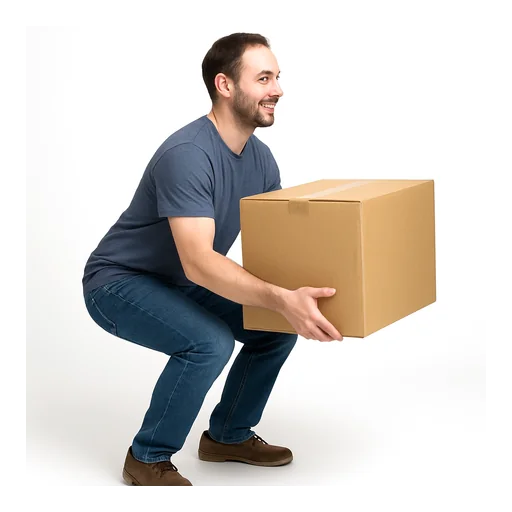
to lift
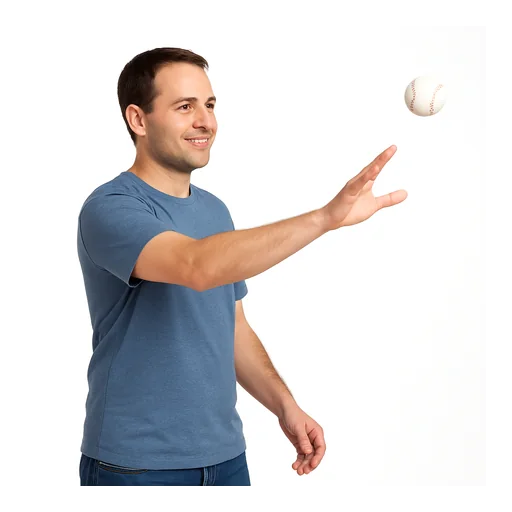
to throw
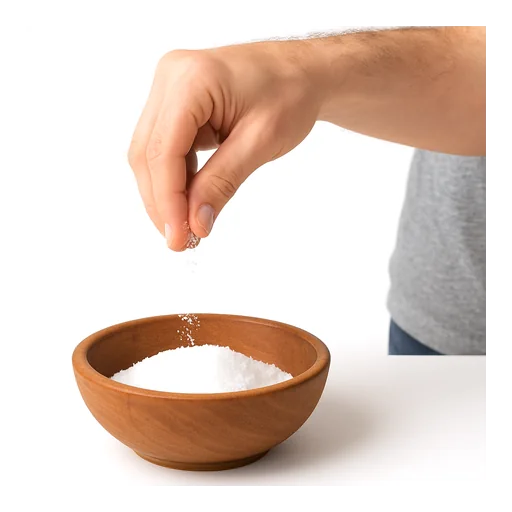
to pinch
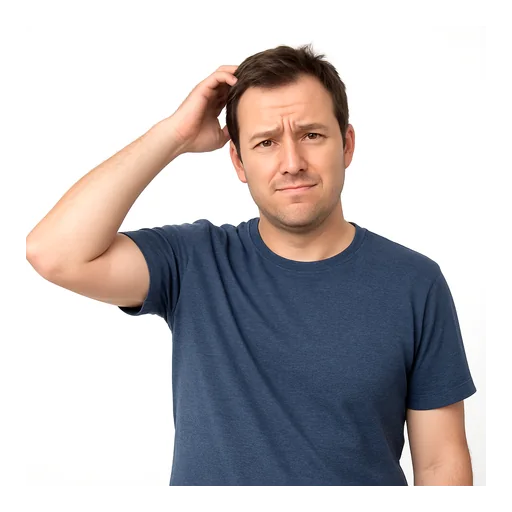
to scratch oneself
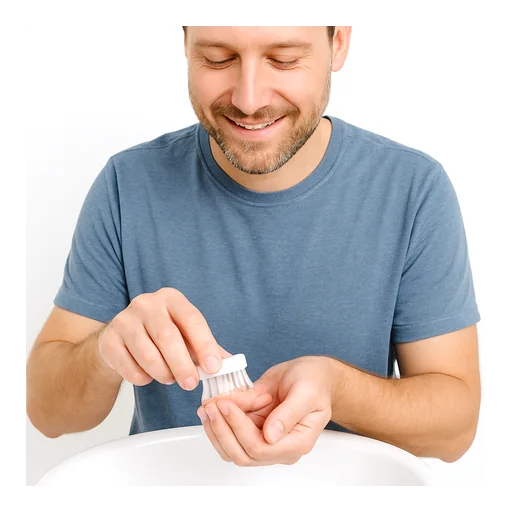
to clean one’s nails
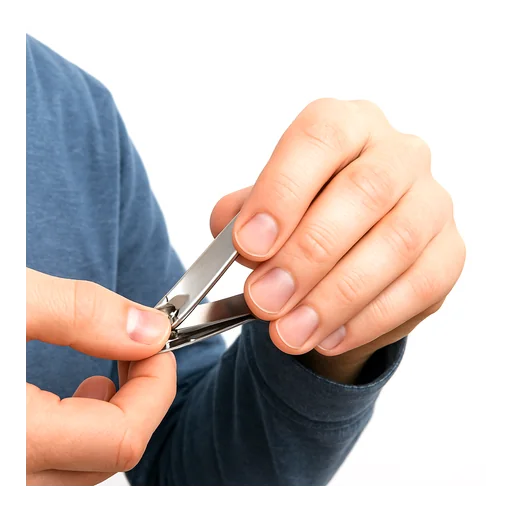
to cut one’s nails
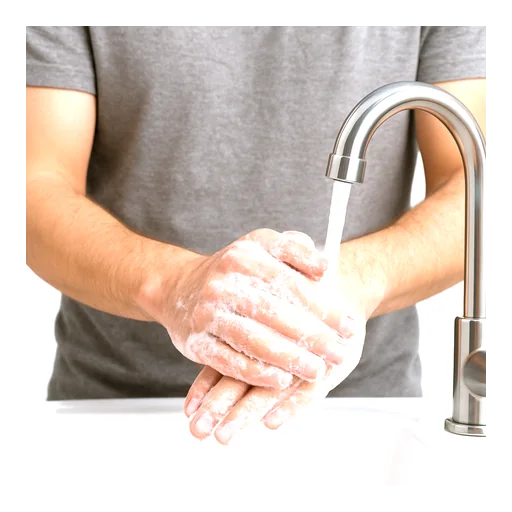
to wash one’s hands
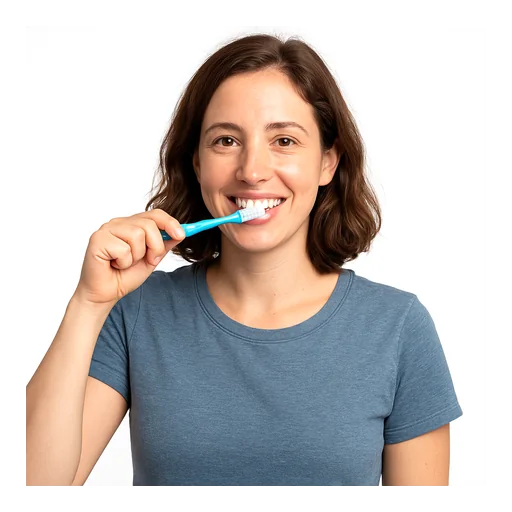
to brush one’s teeth
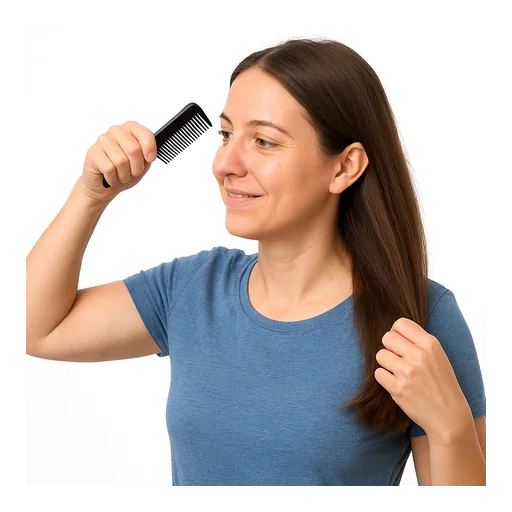
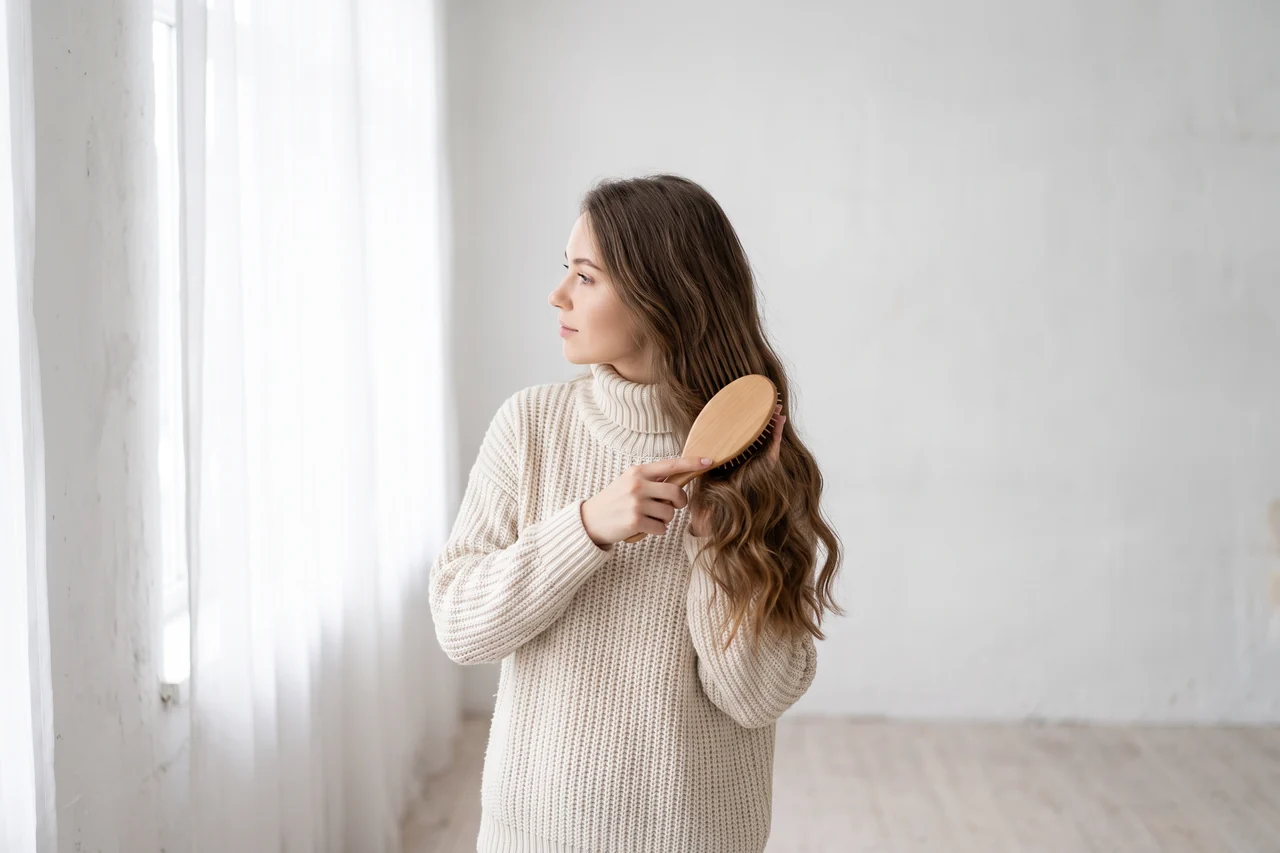
to comb one’s hair
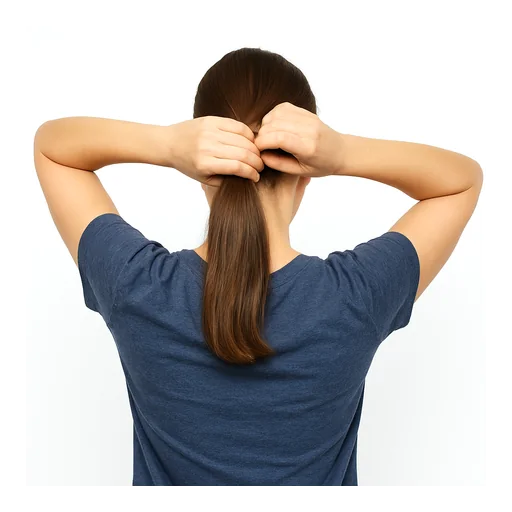
to tie one’s hair
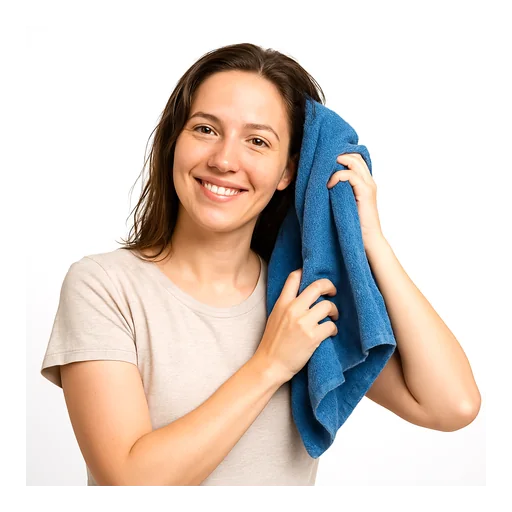
to dry oneself
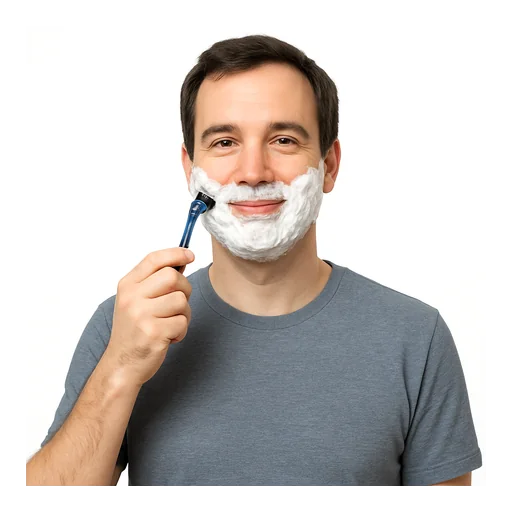
to shave
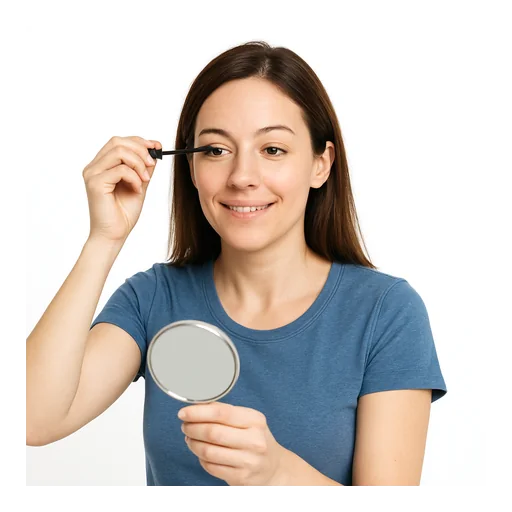
to put on makeup
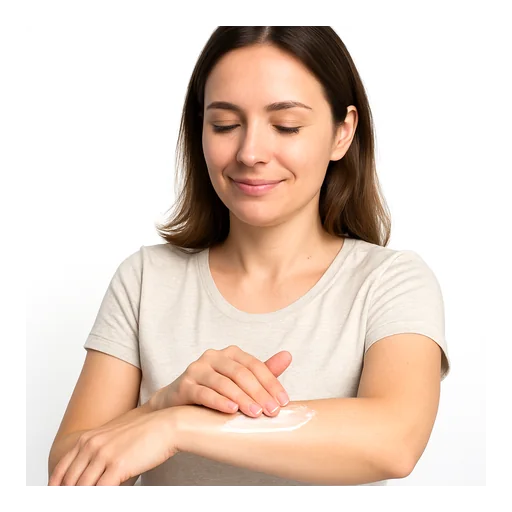
to put on cream
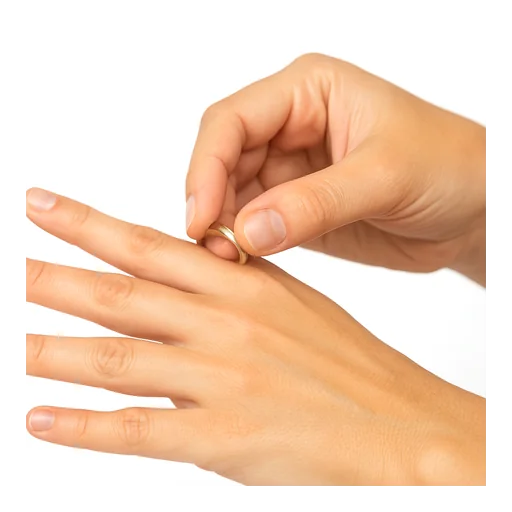
to put on a ring
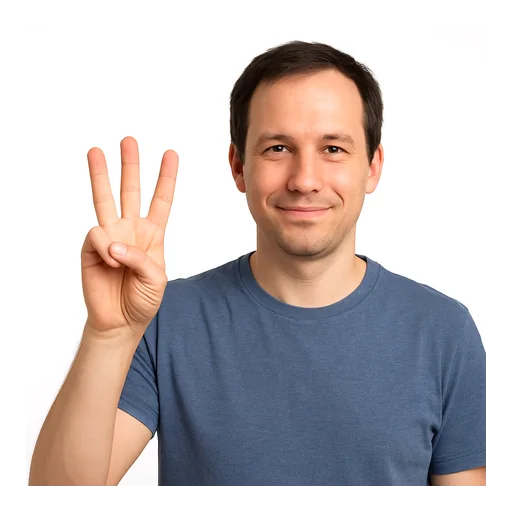
to count on one’s fingers
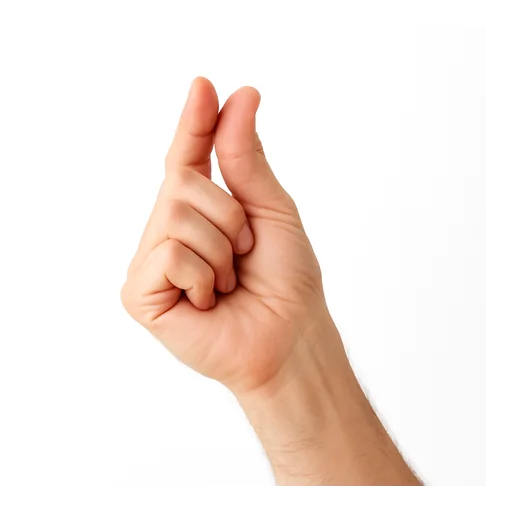
to snap one’s fingers
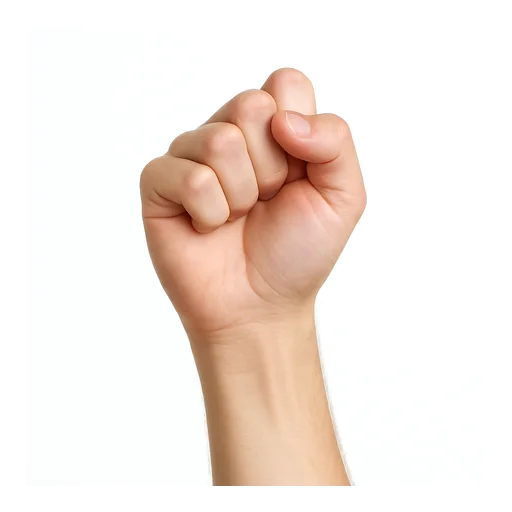
to clench one’s fist
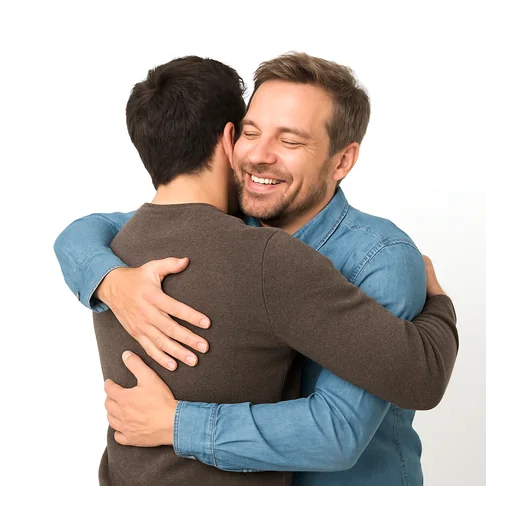
to hug
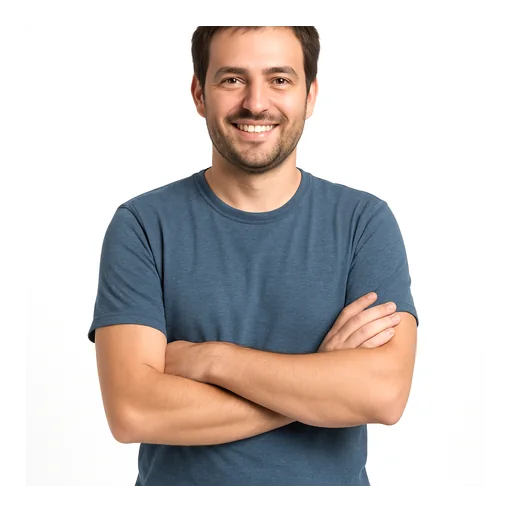
to cross one’s arms

to stretch
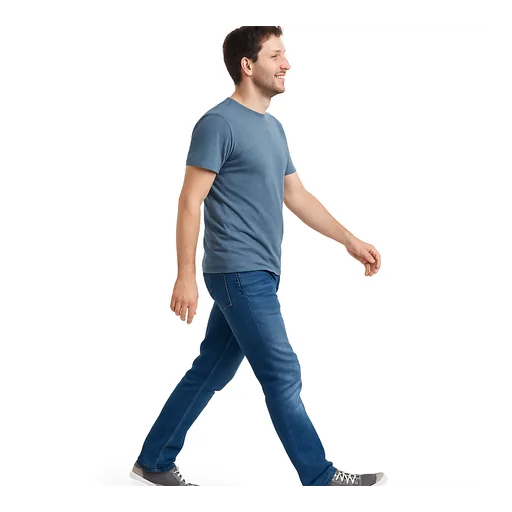
to walk
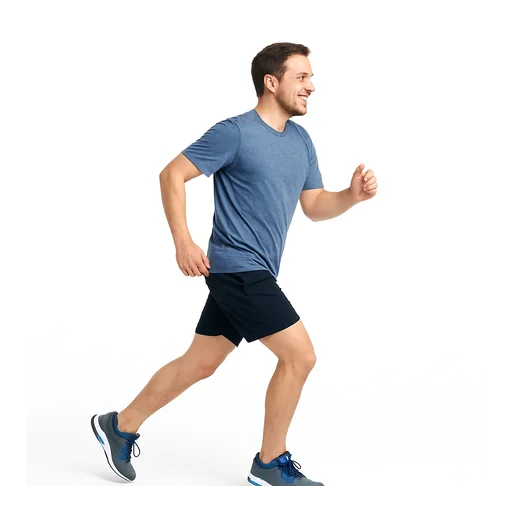
to run
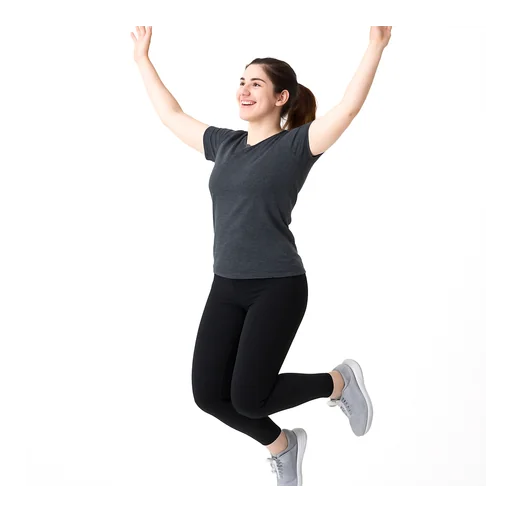
to jump
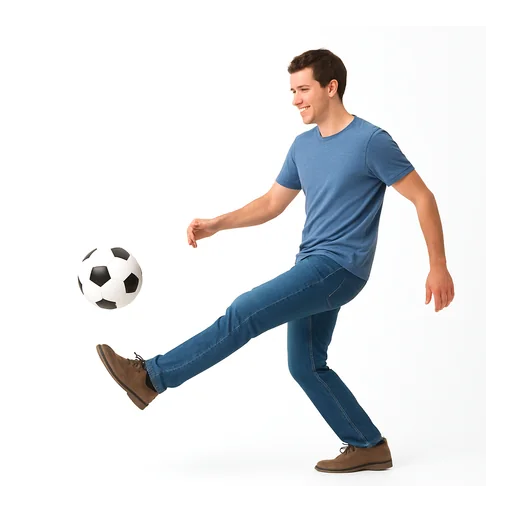
to kick
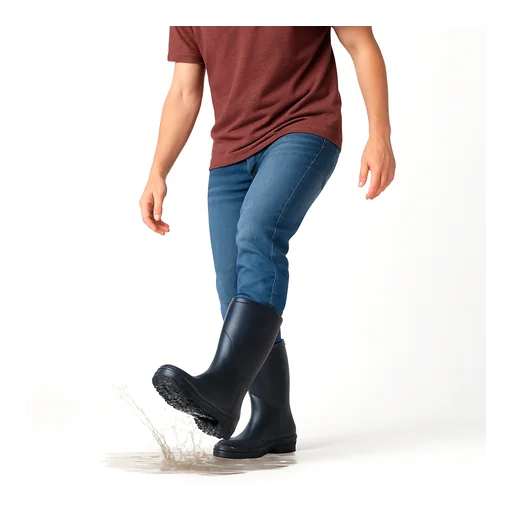
to stamp, to step on
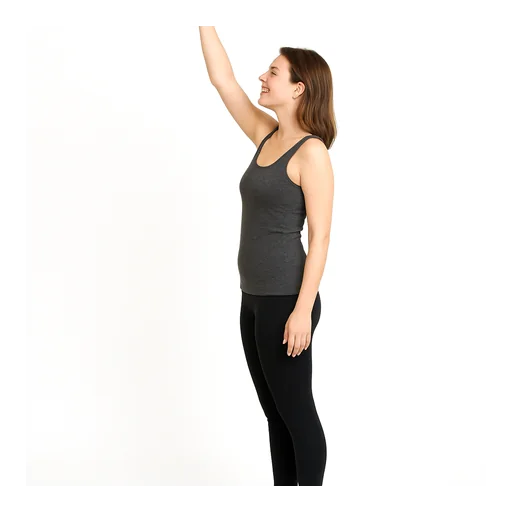
to stand on tiptoe
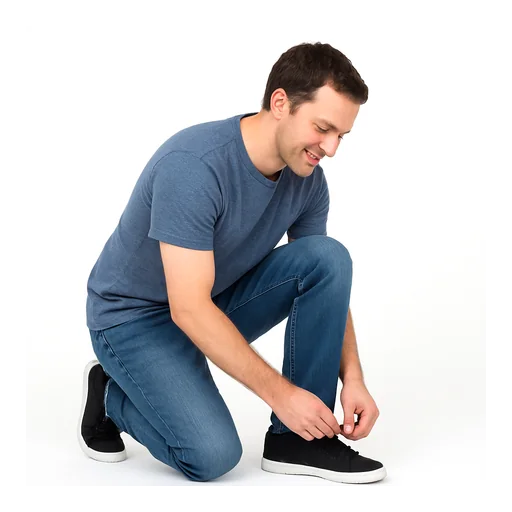
to kneel
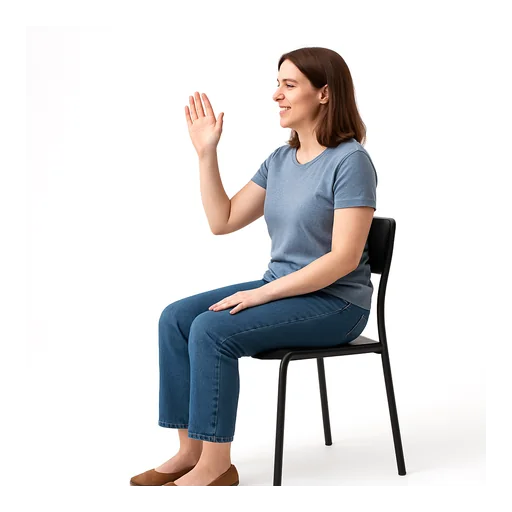
to sit down
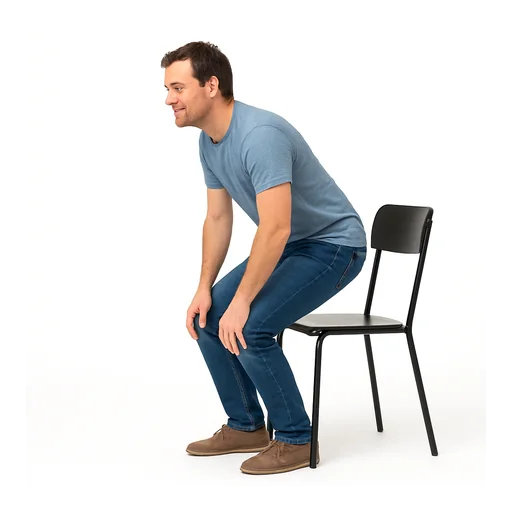
to stand up
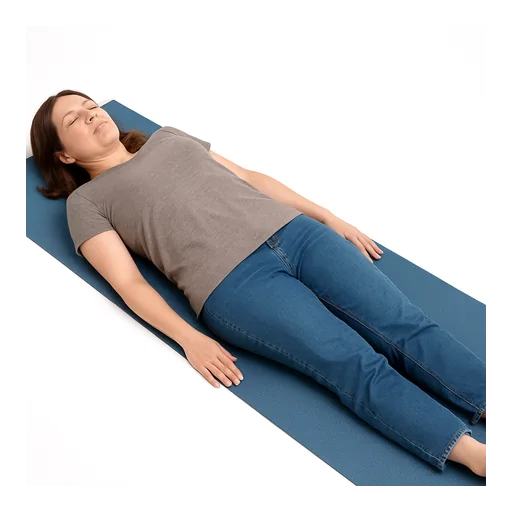
to lie down
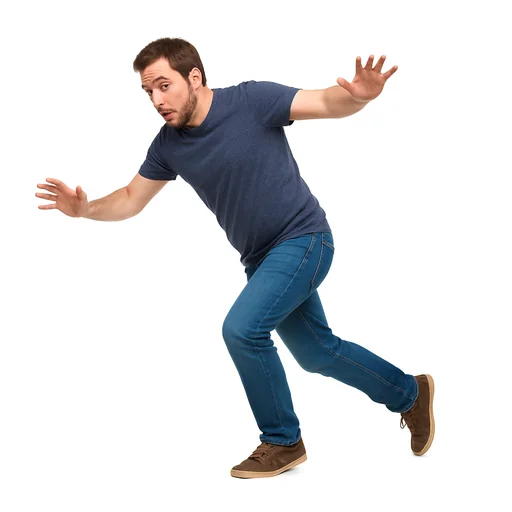
to trip
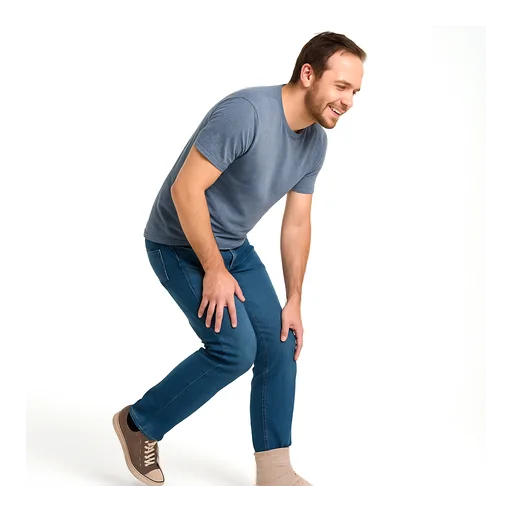
to limp
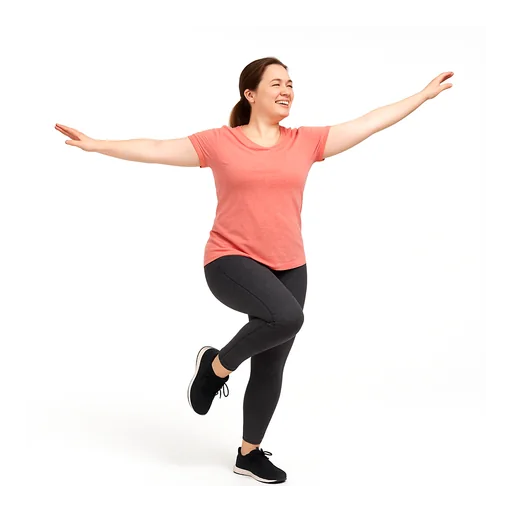
to dance
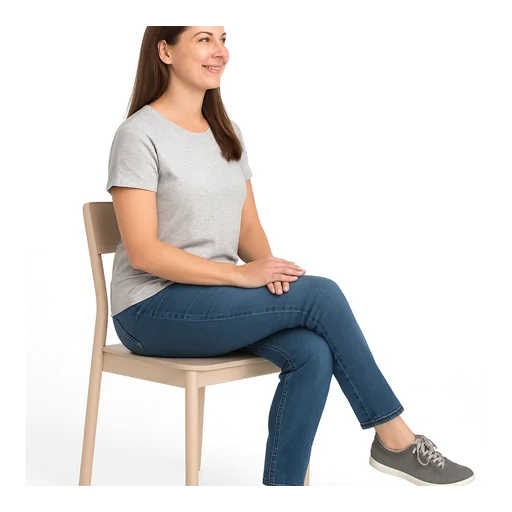
to cross one’s legs
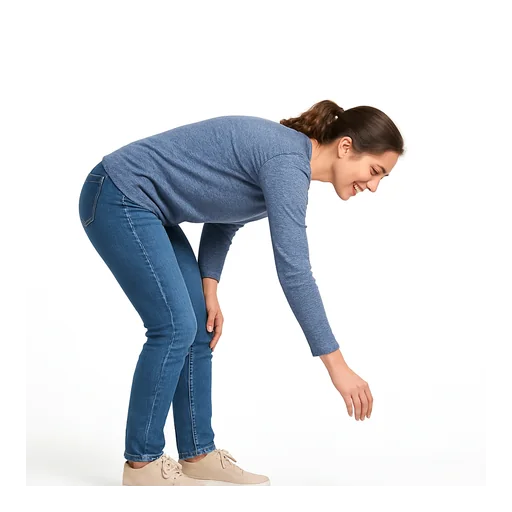
to bend down
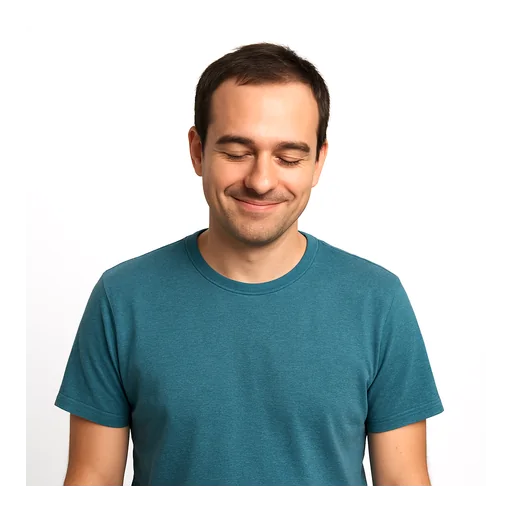
to nod
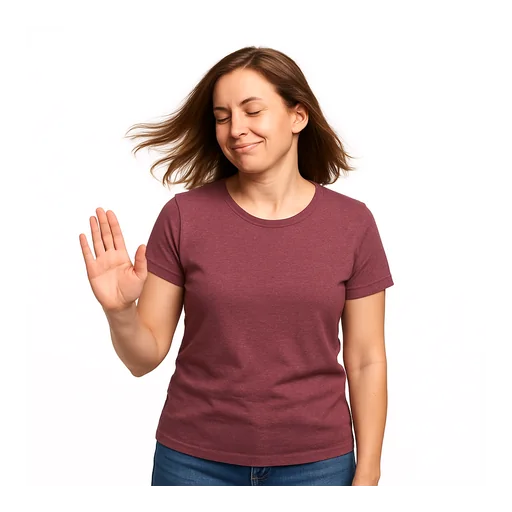
to shake one’s head
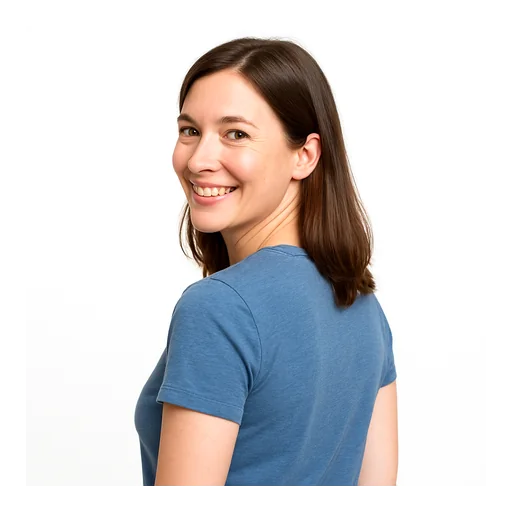
to turn around
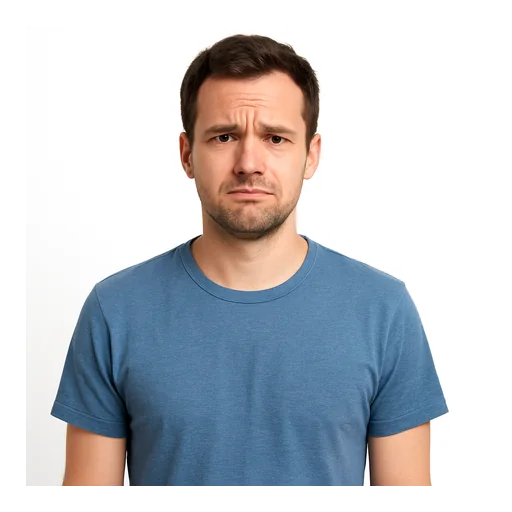
to frown
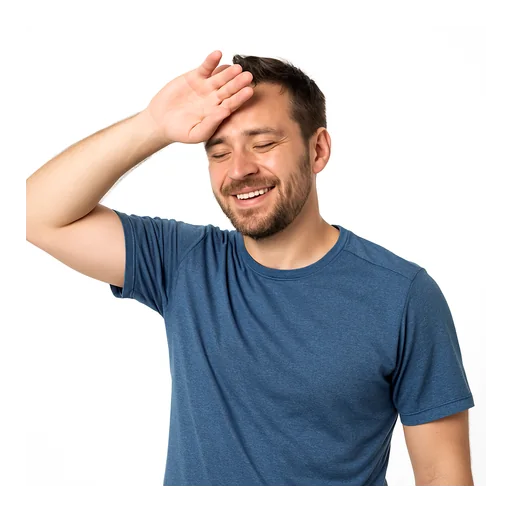
to sweat
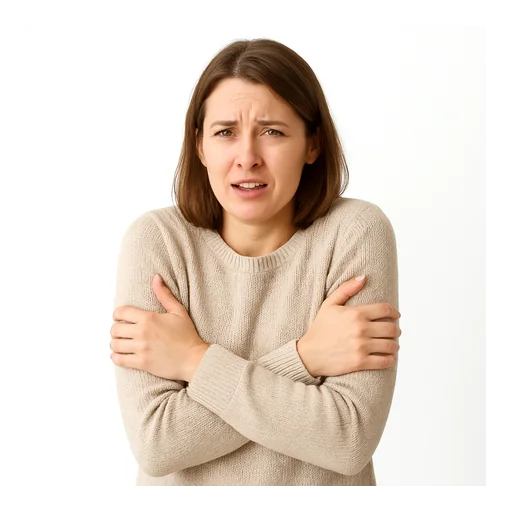
to tremble, to shiver
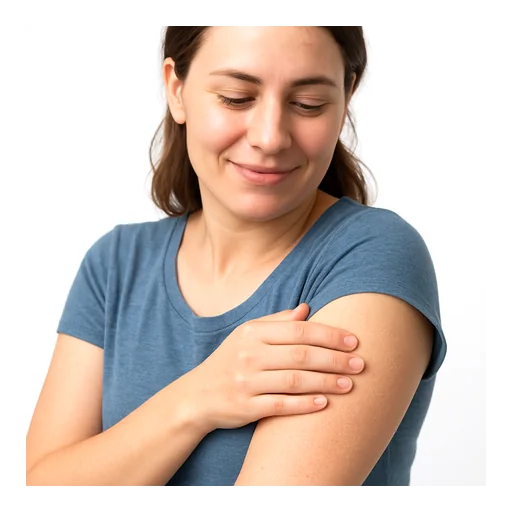
to shudder, to get goosebumps
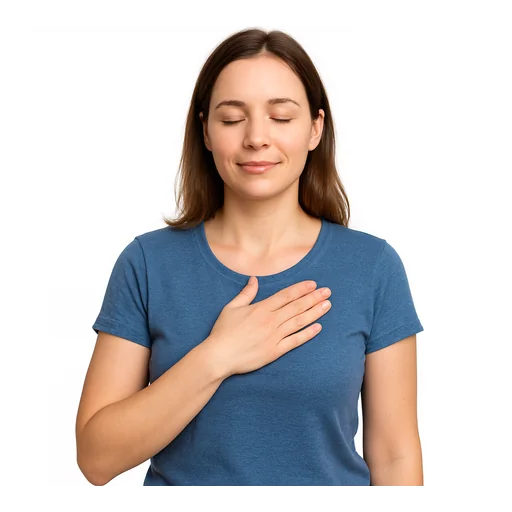
to beat
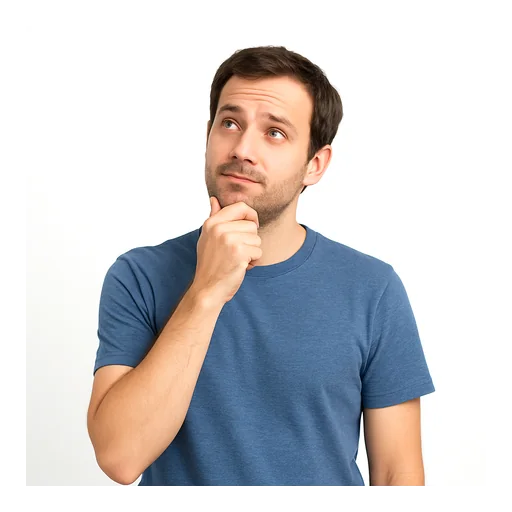
to think
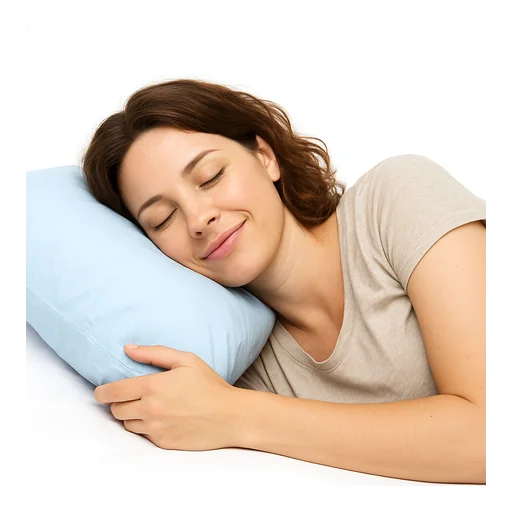
to dream
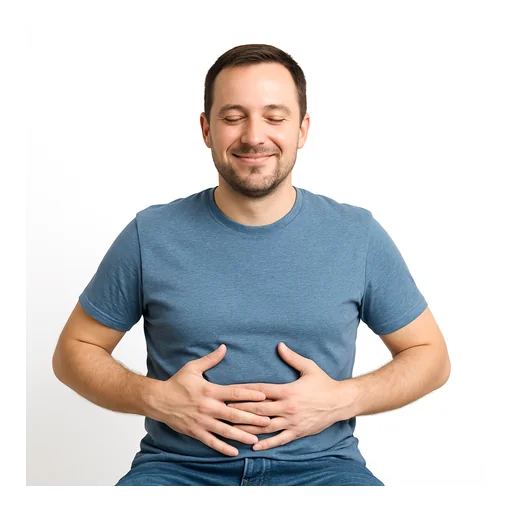
to digest
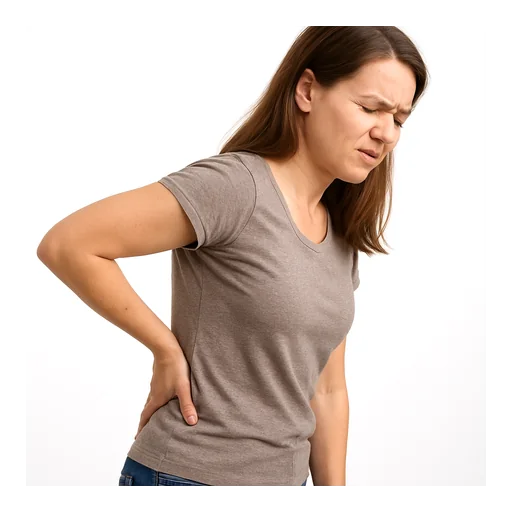
to hurt, to ache
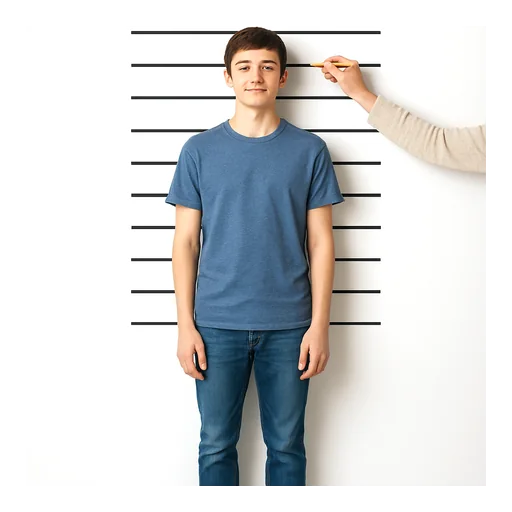
to grow
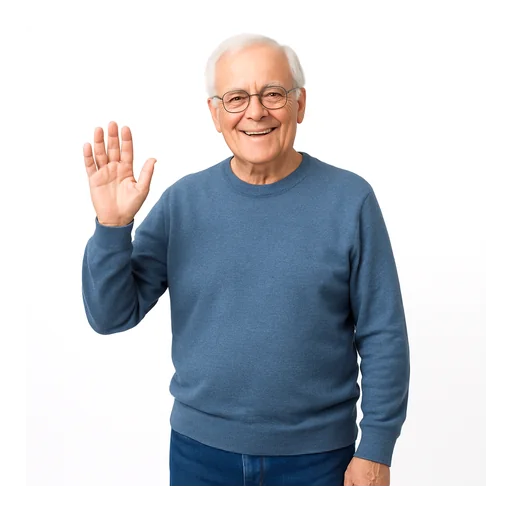
to grow old
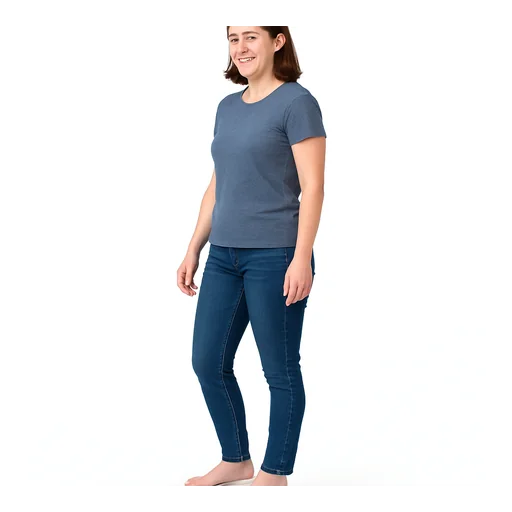
to lose weight
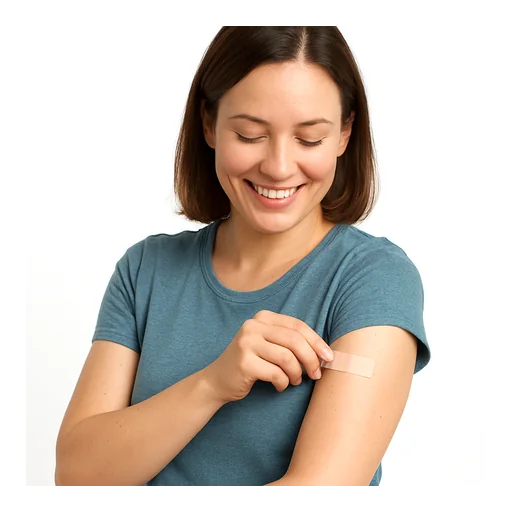
to recover
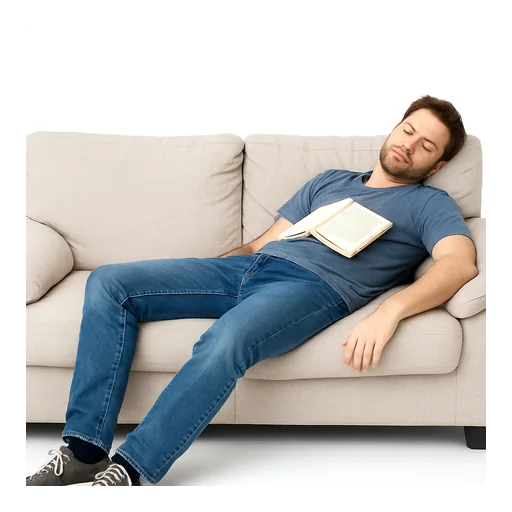
to fall asleep
With parts of the body Italian usually uses the definite article, not a possessive: Mi lavo le mani (not “le mie mani”), Alzo il braccio, Mi fa male la testa. Verbs ending in -si, like pettinarsi and lavarsi, are reflexive: the action goes back to the person (mi pettino, si pettina). Some cards have several words (lavarsi le mani, sentire con le orecchie) because the verb alone is not enough: these are the expressions people really use. Verbs about the whole body (crescere, invecchiare, guarire…) have a card but no row in the exercises.
Drag-and-drop exercise
Drag a part of the body onto the verb it is used for. For each verb you only need to find at least one part of the body, but you can add as many as you like. On a phone: tap the body part, then tap the verb.
Can’t remember a part of the body? Review the lesson The human body.
Body parts: drag them onto the verbs or tap them
Body parts: drag them onto the verbs or tap them
Body parts: drag them onto the verbs or tap them
Body parts: drag them onto the verbs or tap them
Body parts: drag them onto the verbs or tap them
Body parts: drag them onto the verbs or tap them
Body parts: drag them onto the verbs or tap them
Body parts: drag them onto the verbs or tap them
Body parts: drag them onto the verbs or tap them
With negation
Now the other way round: drag a part of the body that is not used for that action. Again, one is enough. Beware of traps: the tray also contains body parts that are used.
Body parts: drag them onto the verbs or tap them
Body parts: drag them onto the verbs or tap them
Body parts: drag them onto the verbs or tap them
Body parts: drag them onto the verbs or tap them
Free production
Write your version and compare it with the proposed solution. These activities remain saved on the device, but non modificano il punteggio.
Translate freelyI brush my teeth three times a day.
Proposed solution: Mi lavo i denti tre volte al giorno.
Translate freelyEvery morning I comb my hair in front of the mirror.
Proposed solution: Ogni mattina mi pettino i capelli davanti allo specchio.
Translate freelyI blush when someone pays me a compliment.
Proposed solution: Arrossisco quando mi fanno un complimento.
Translate freelyWith our ears we hear sounds and with our tongue we taste flavours.
Proposed solution: Con le orecchie sentiamo i suoni e con la lingua il sapore.
Translate freelyGrandma strokes the cat on its back.
Proposed solution: La nonna accarezza il gatto sulla schiena.
Translate freelyDon’t bite your nails: it’s a bad habit!
Proposed solution: Non mordere le unghie: è un brutto vizio!
Translate freelyThe child cries and dries his eyes.
Proposed solution: Il bambino piange e si asciuga gli occhi.
Translate freelyI touch the table with my fingers to feel if it is warm.
Proposed solution: Tocco il tavolo con le dita per sentire se è caldo.
Translate freelyAfter the run I sweat and my legs hurt.
Proposed solution: Dopo la corsa sudo e mi fanno male le gambe.
Translate freelyMy grandfather sits down, crosses his arms and falls asleep.
Proposed solution: Mio nonno si siede, incrocia le braccia e si addormenta.
Italiano con Martin
Two teachers, two perspectives. Choose the approach that best matches your interests.