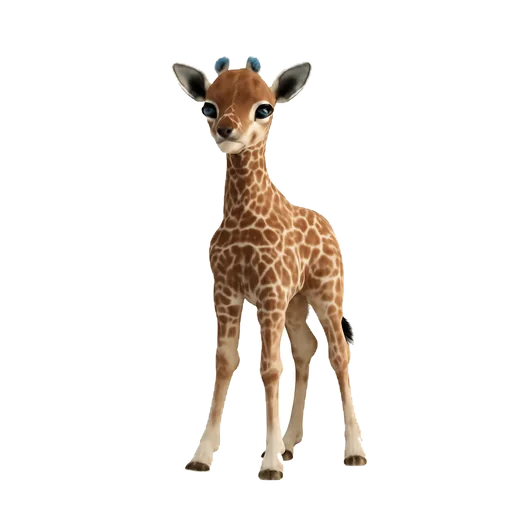
nascere
to be born
3 example sentences
- Il cucciolo nasce in primavera.
- Mio nipote è nato ieri.
- Il piccolo della giraffa nasce in piedi.
 Italiano con Martin
Vocabulary A1–A2
Observe the scene and discover each word through the image and three example Italian sentences.

to be born
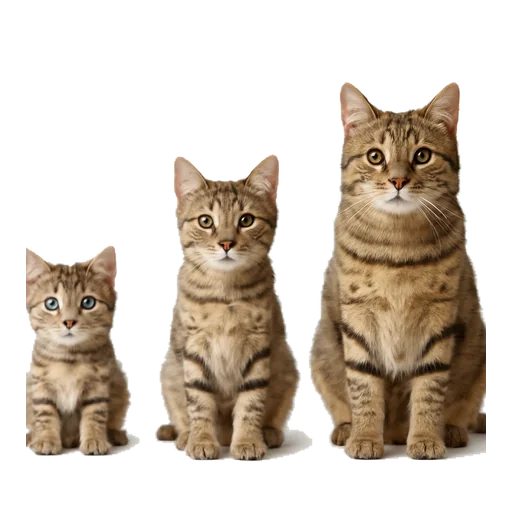
to grow
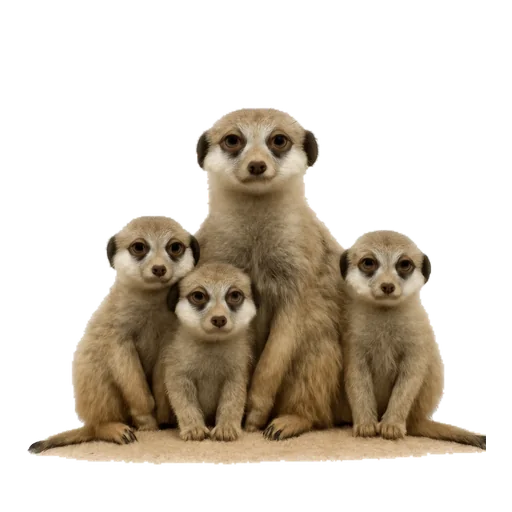
to live
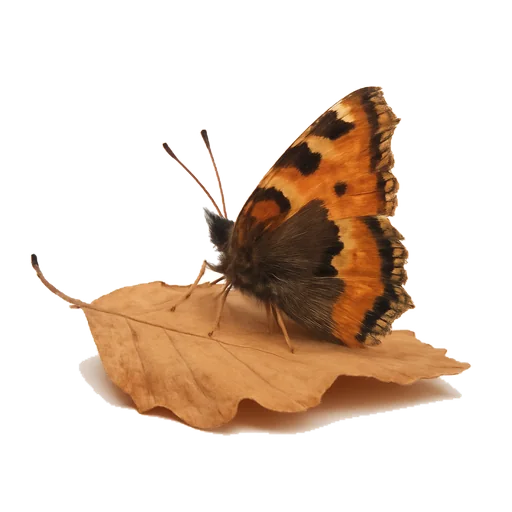
to die

to wake up

to fall asleep
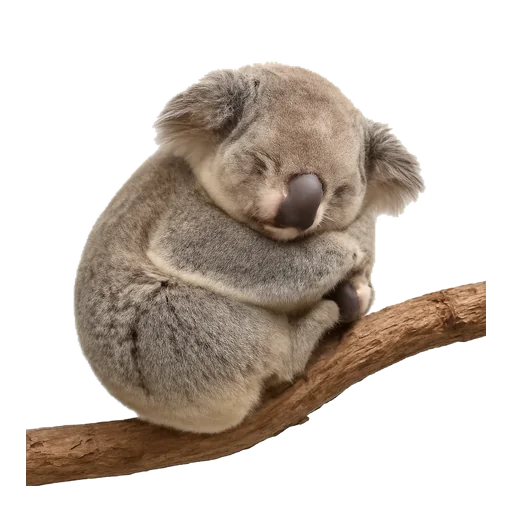
to sleep
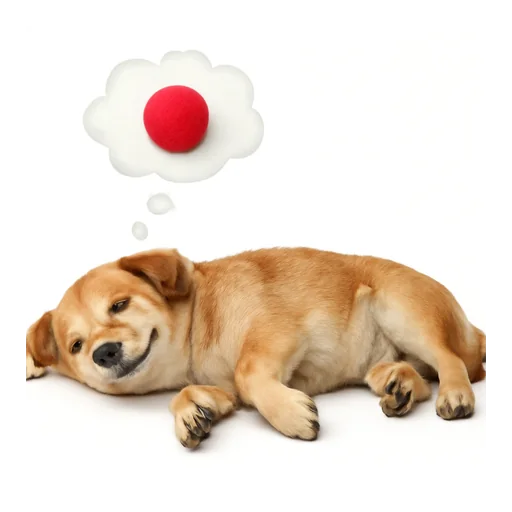
to dream
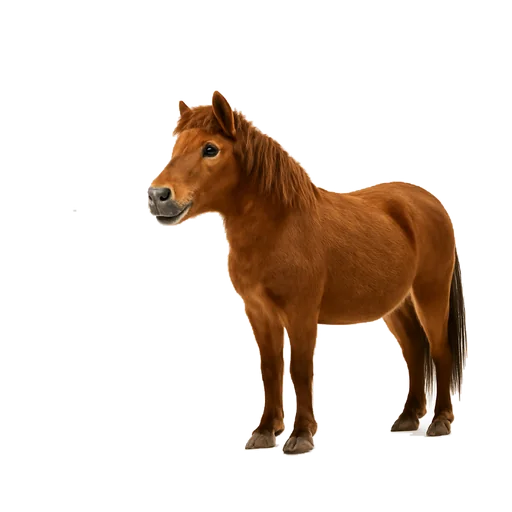
to breathe

to yawn

to snore
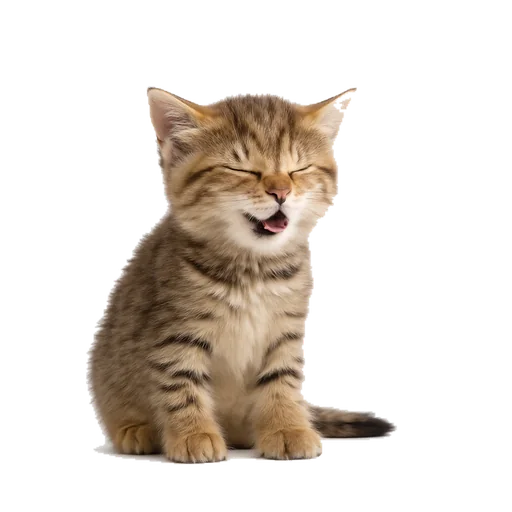
to sneeze
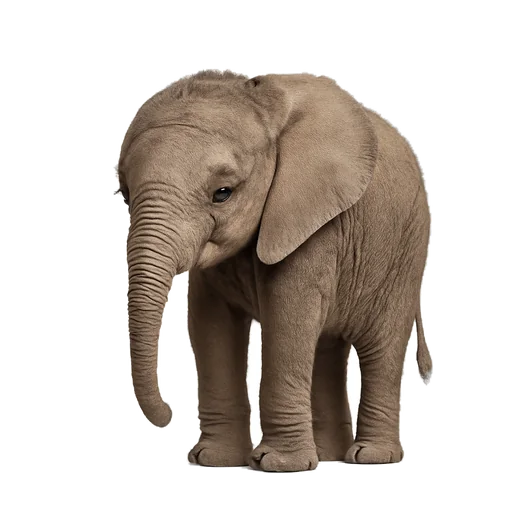
to cry
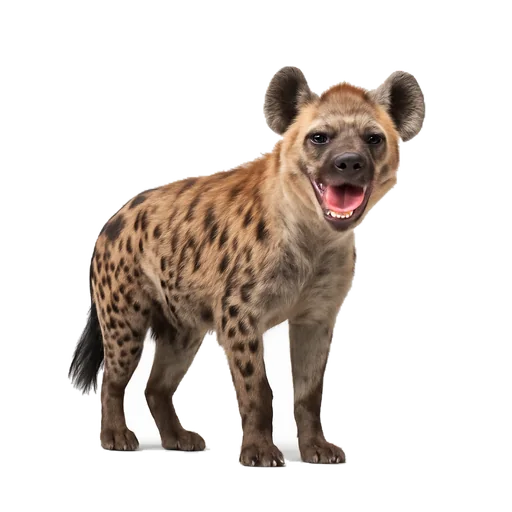
to laugh
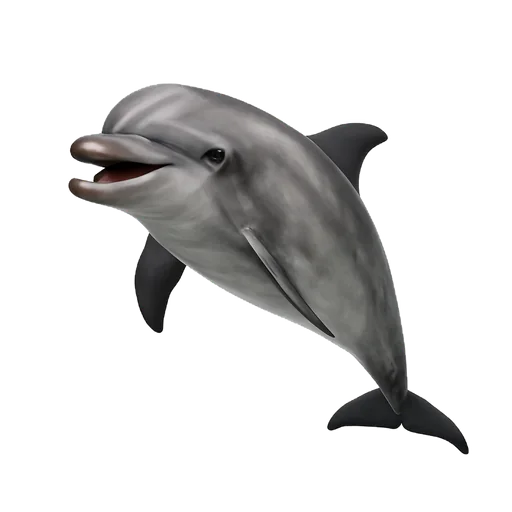
to smile
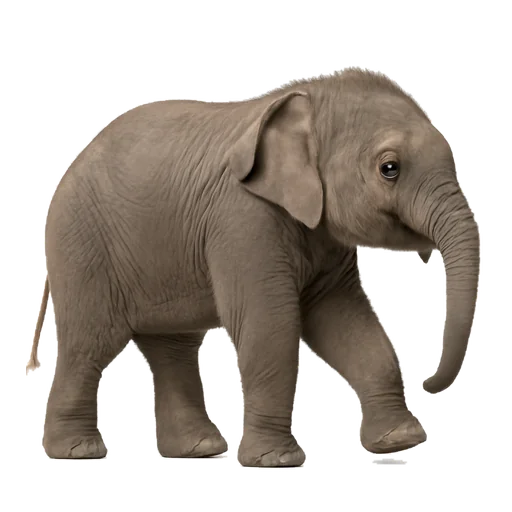
to walk

to run
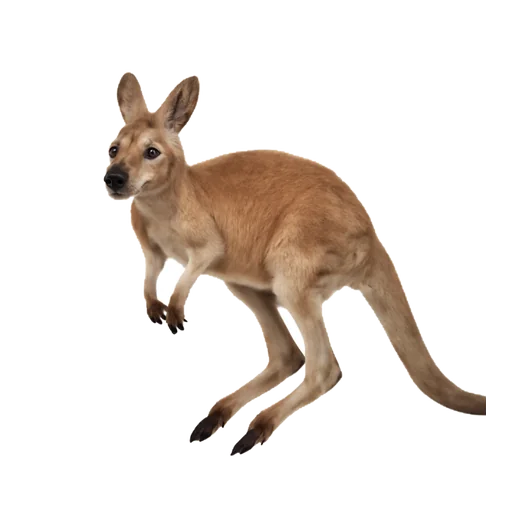
to jump
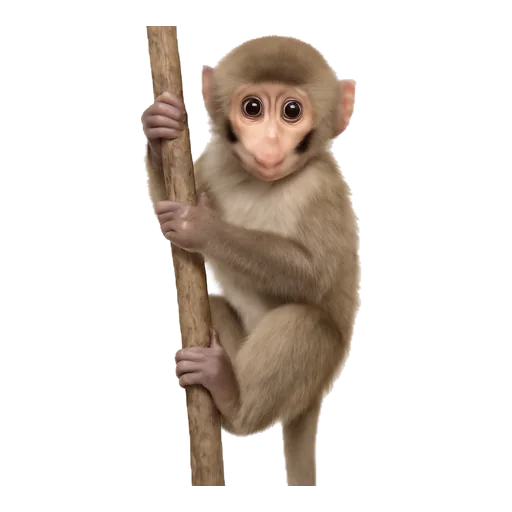
to climb
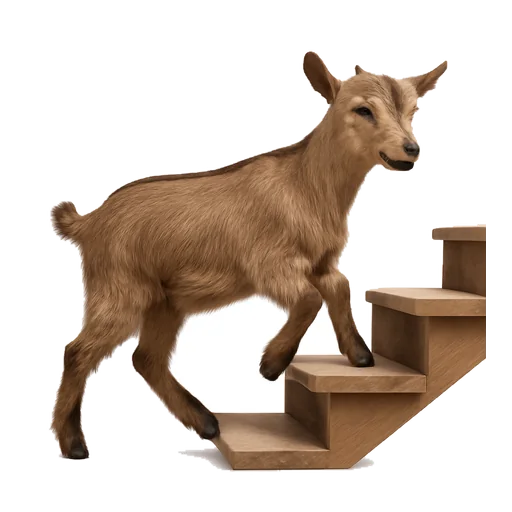
to go up
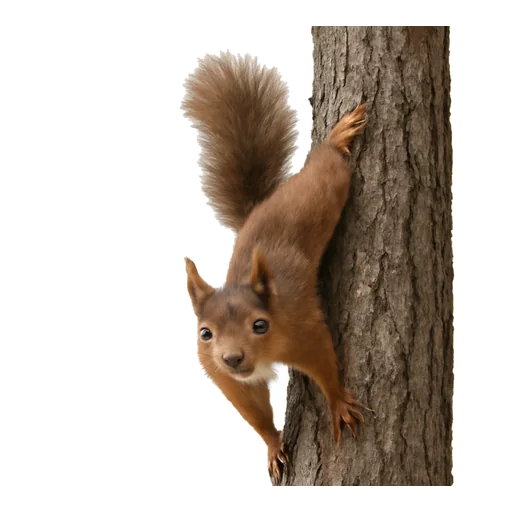
to go down
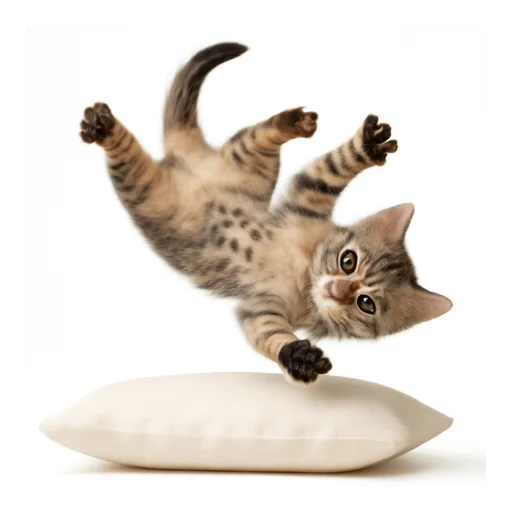
to fall
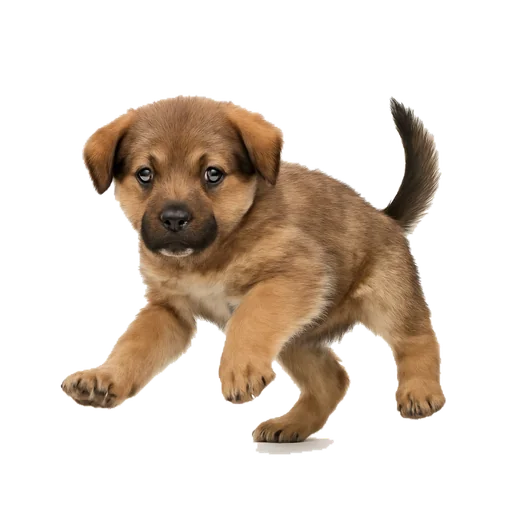
to trip
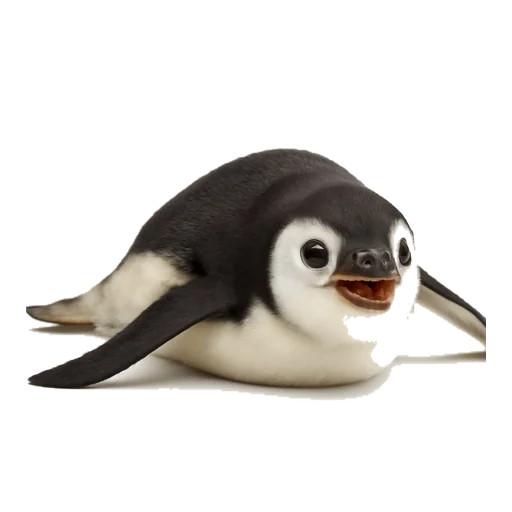
to slide
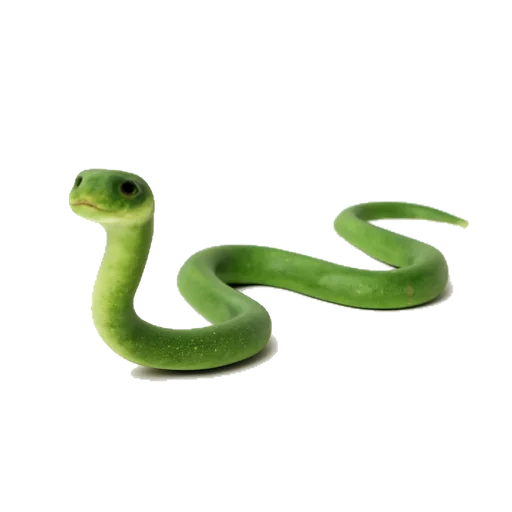
to crawl

to roll around
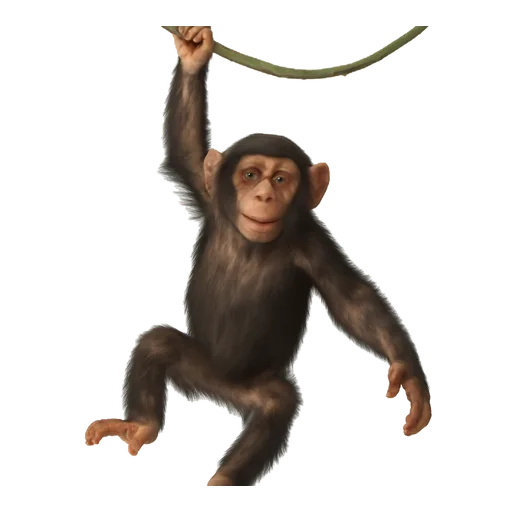
to swing
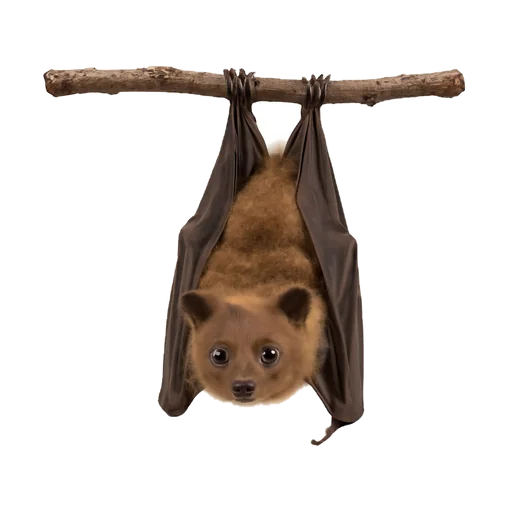
to hang
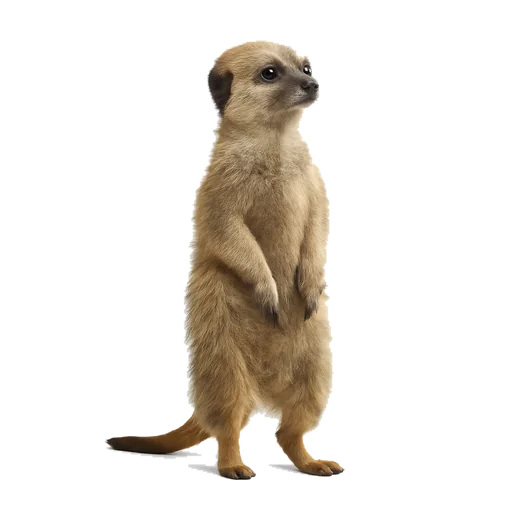
to stand

to sit down
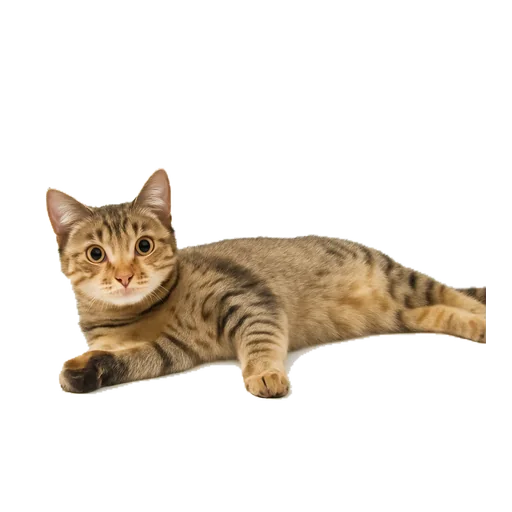
to lie down
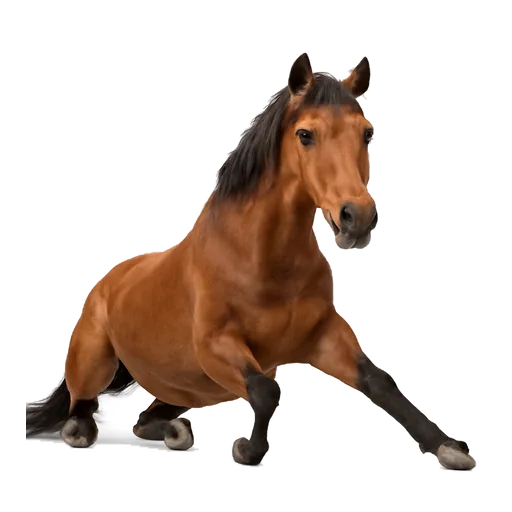
to get up
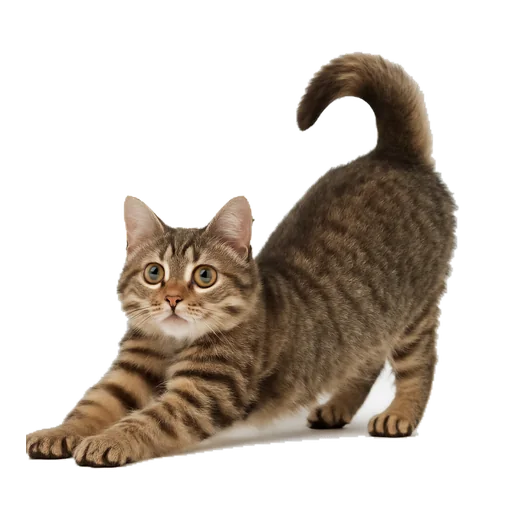
to stretch
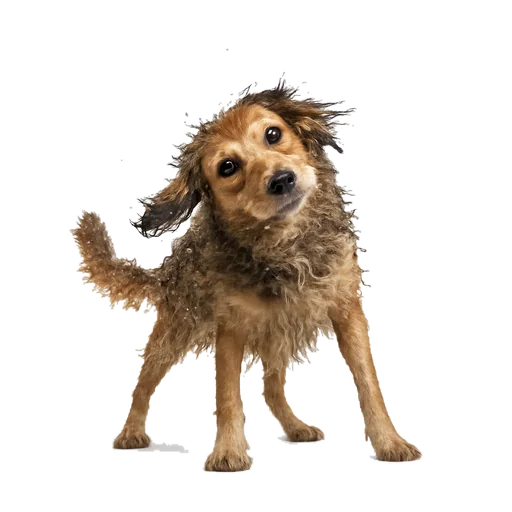
to shake off
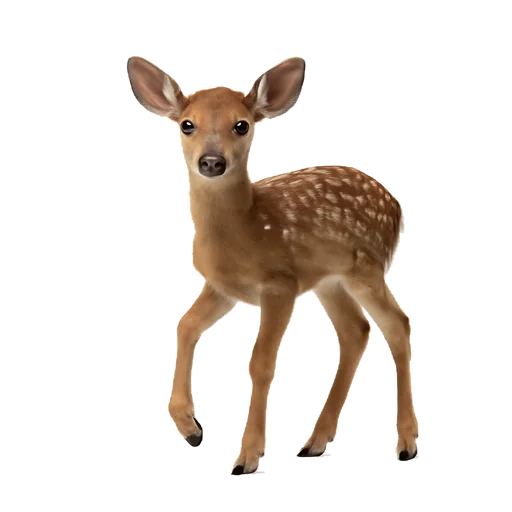
to stop
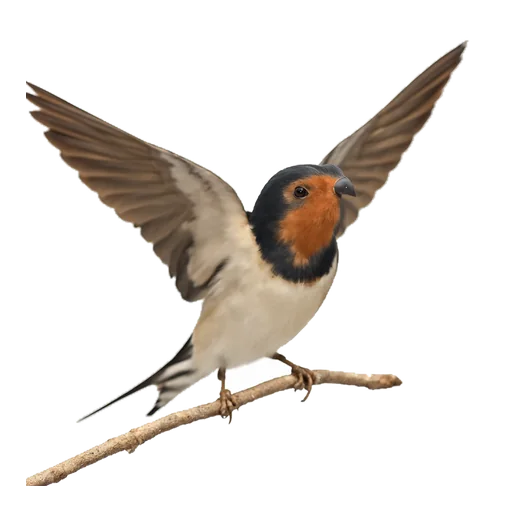
to leave
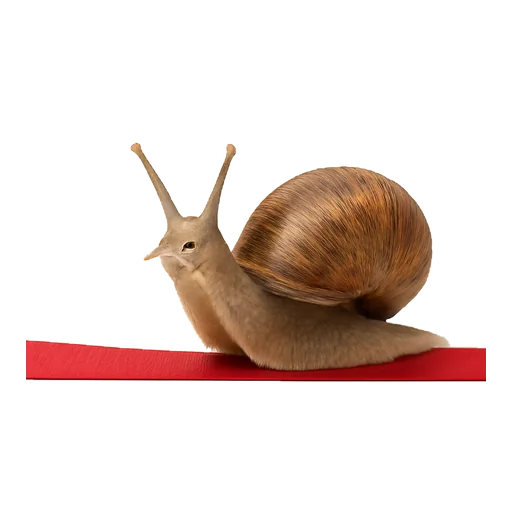
to arrive
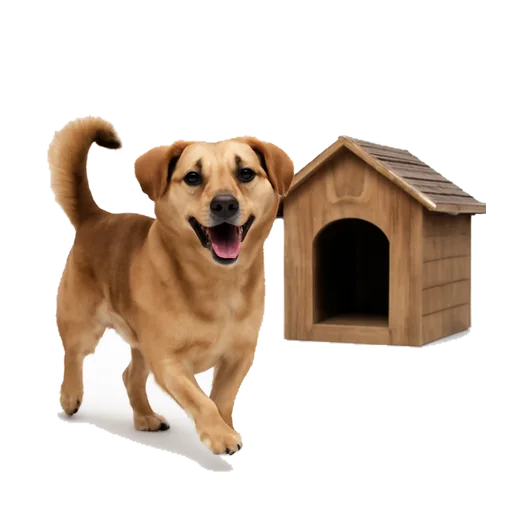
to return
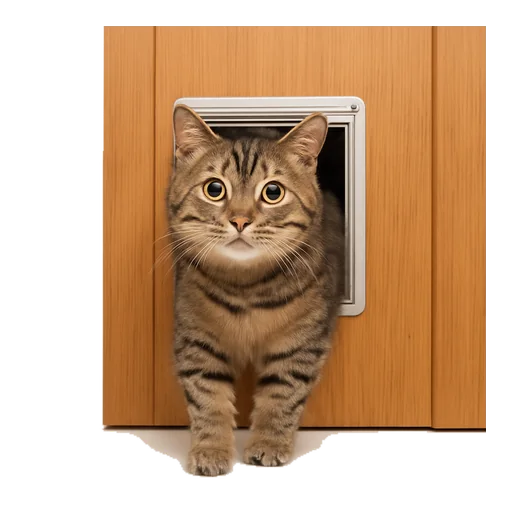
to enter
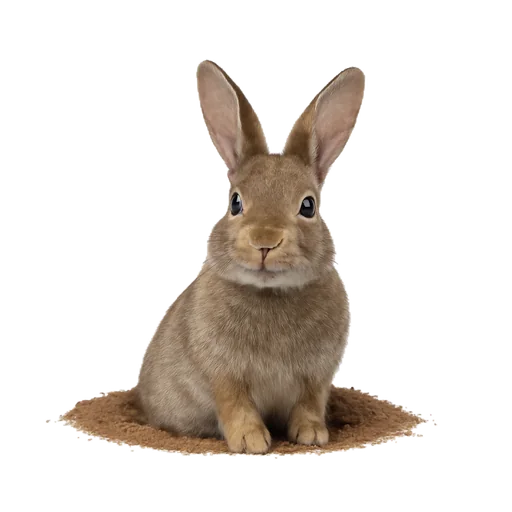
to go out
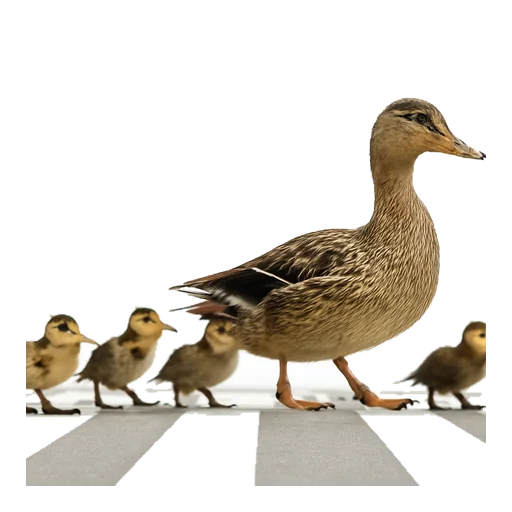
to cross
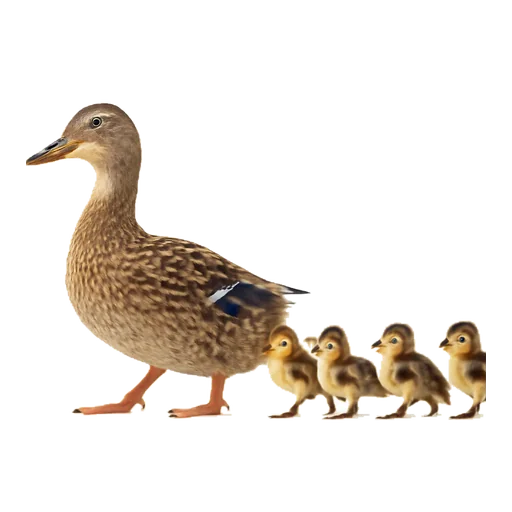
to follow
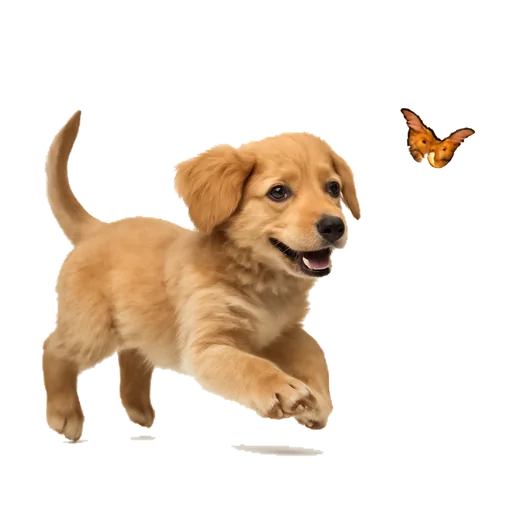
to chase
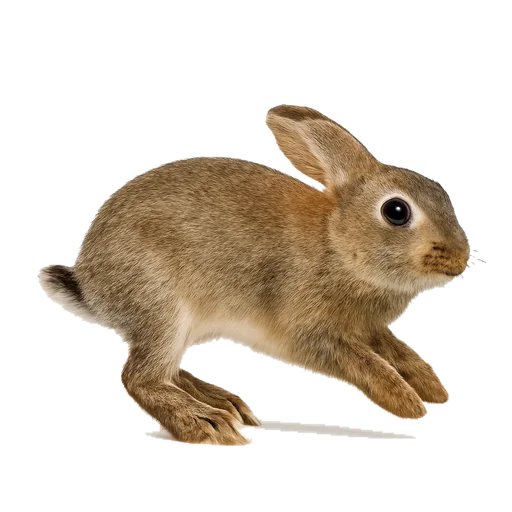
to run away
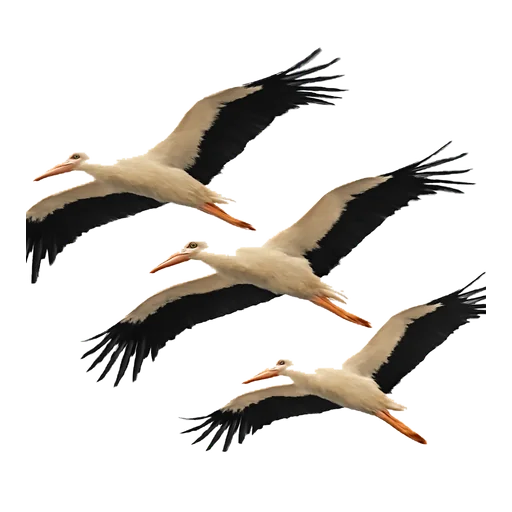
to migrate
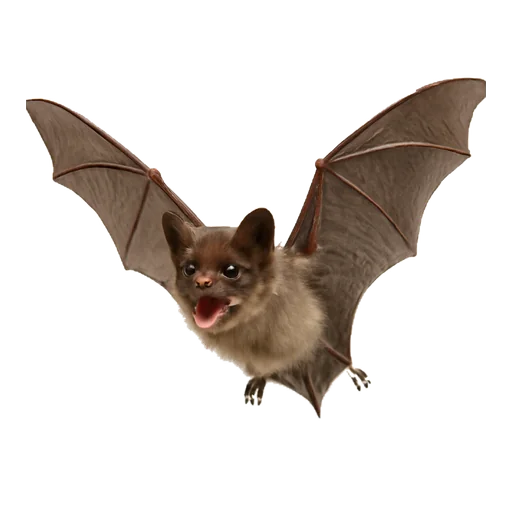
to find one’s way
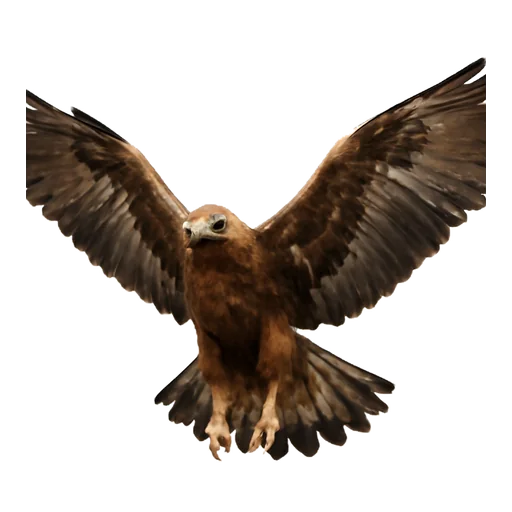
to fly
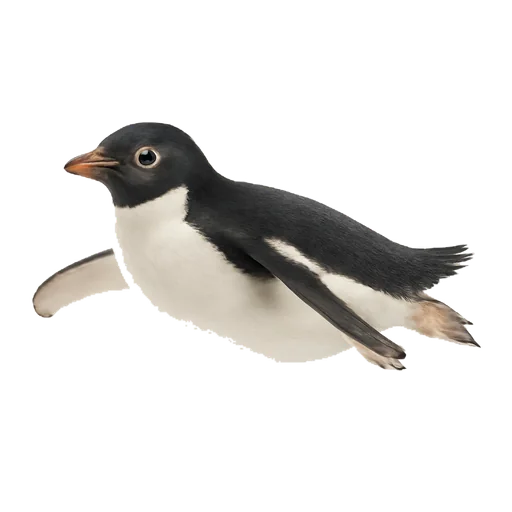
to swim
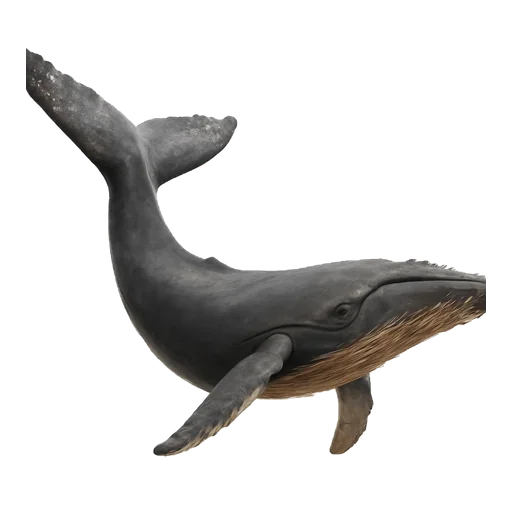
to submerge
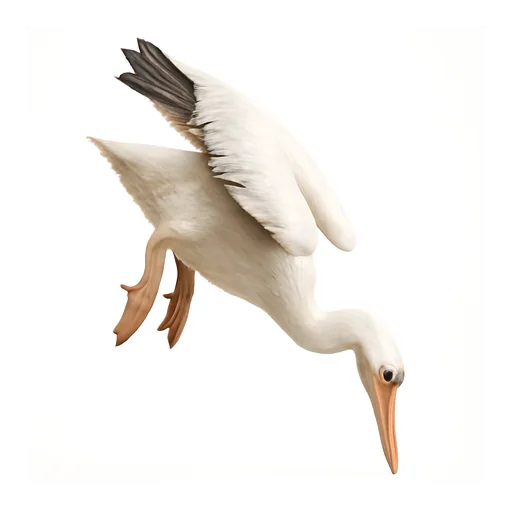
to dive in
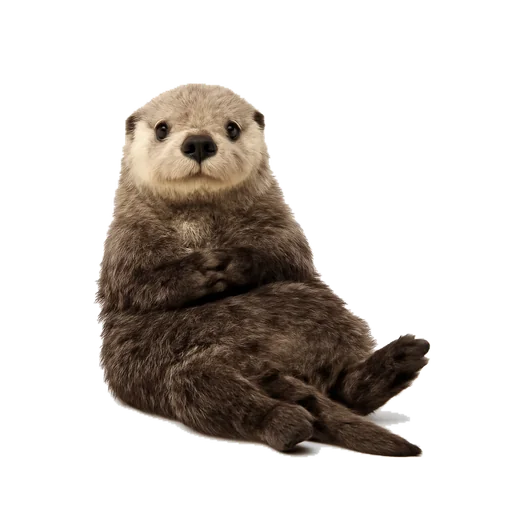
to float
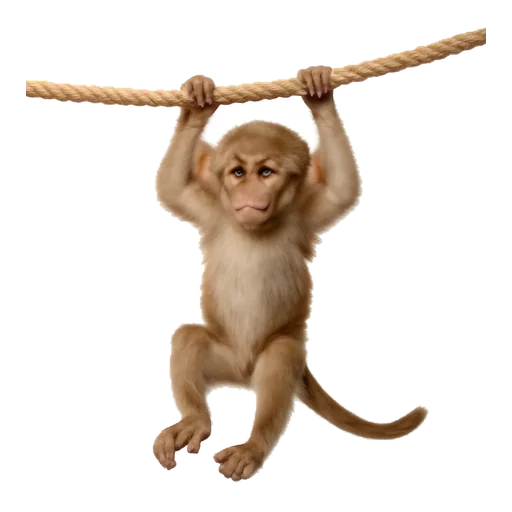
to grab
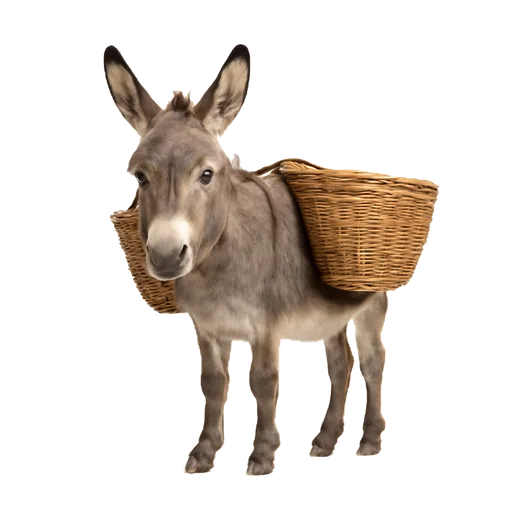
to carry
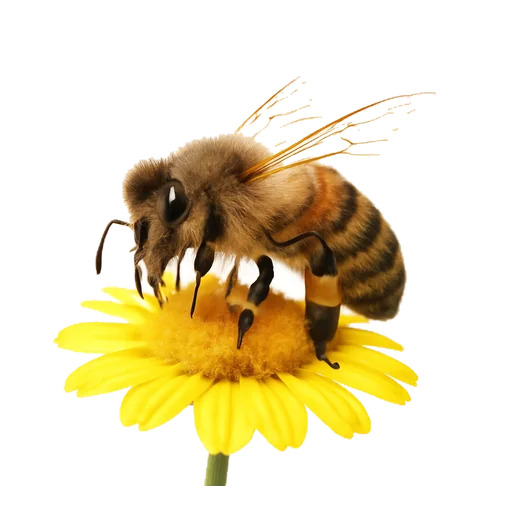
to gather

to push
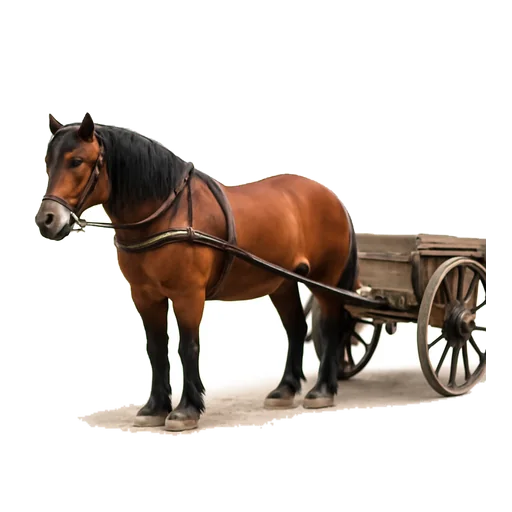
to pull
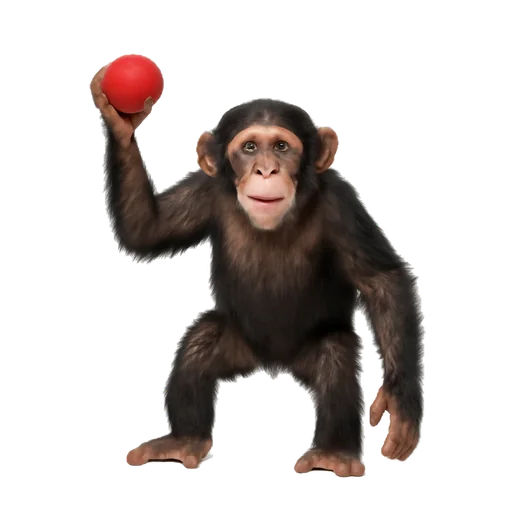
to throw

to dig

to hunt

to bite
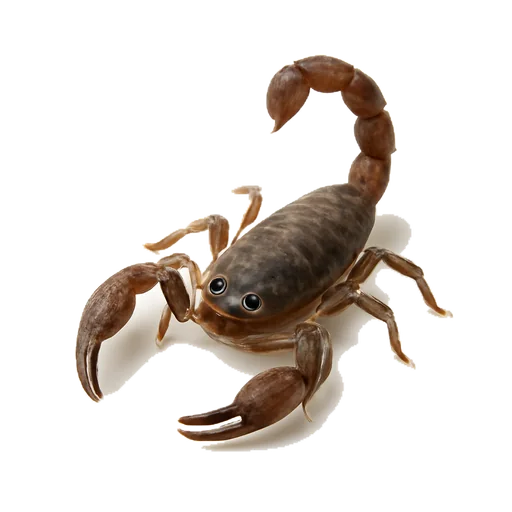
to sting
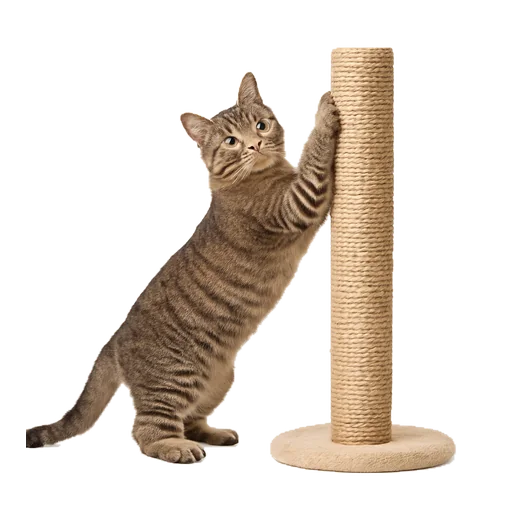
to scratch
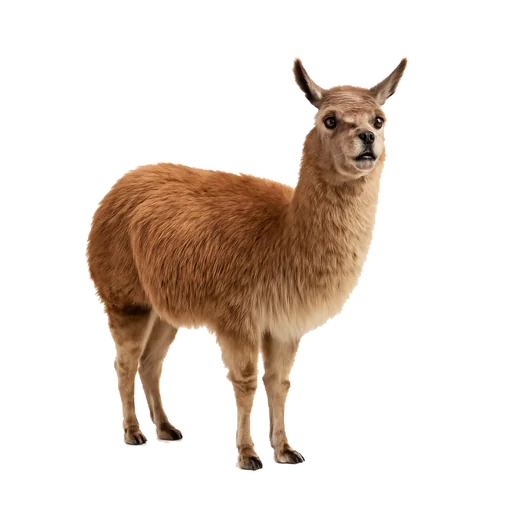
to spit

to spray
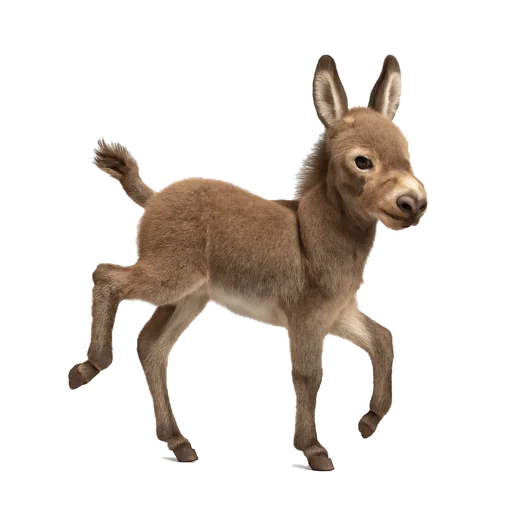
to kick
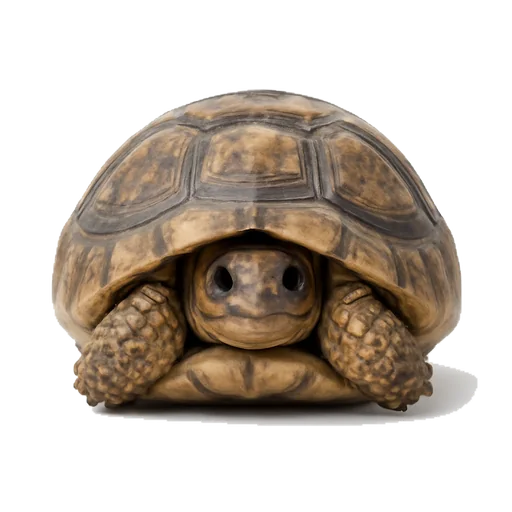
to hide
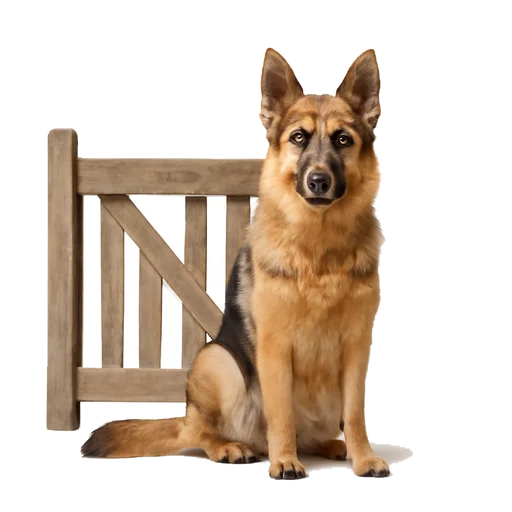
to keep watch
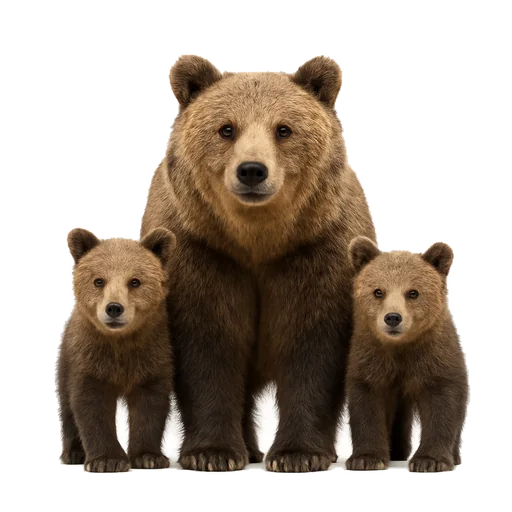
to protect
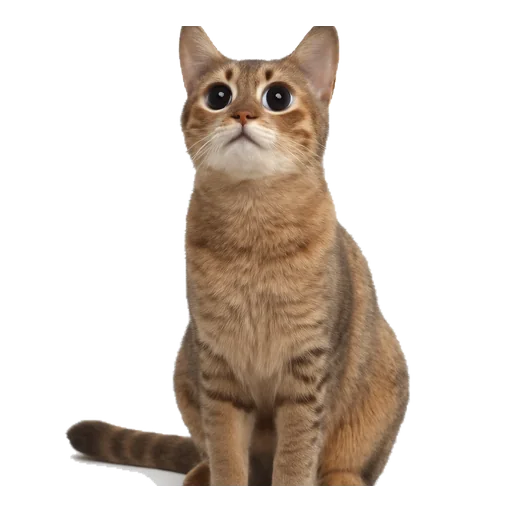
to look at

to observe
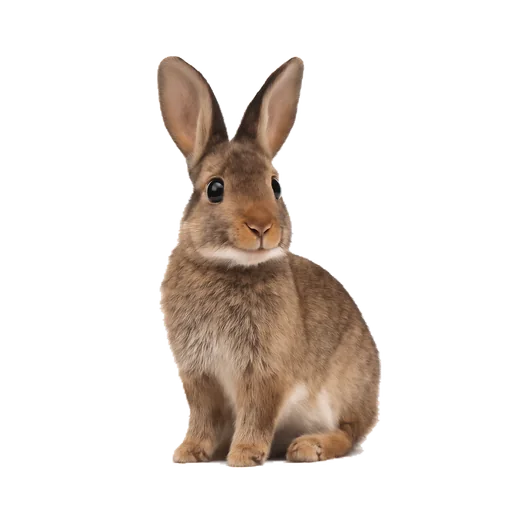
to listen

to sniff

to look for

to find
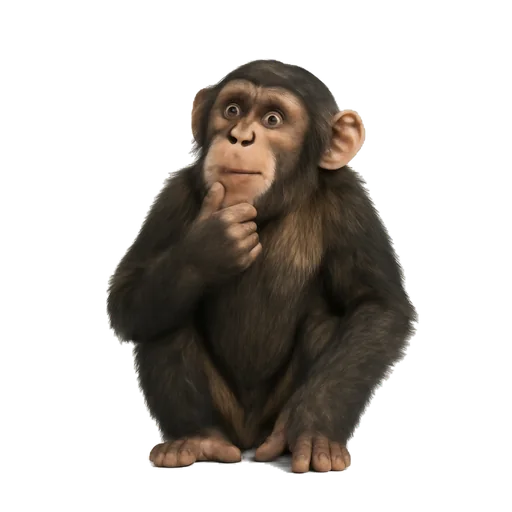
to think
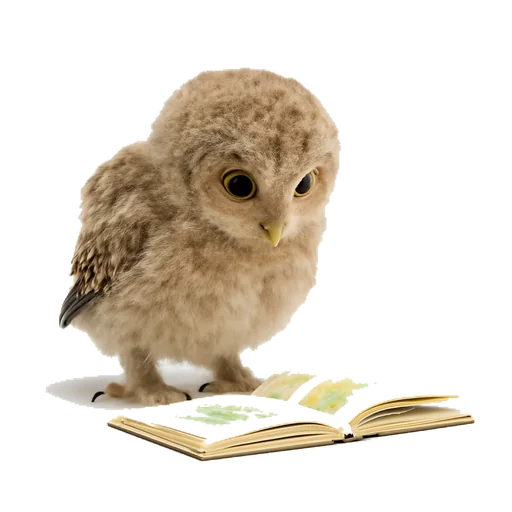
to learn

to remember
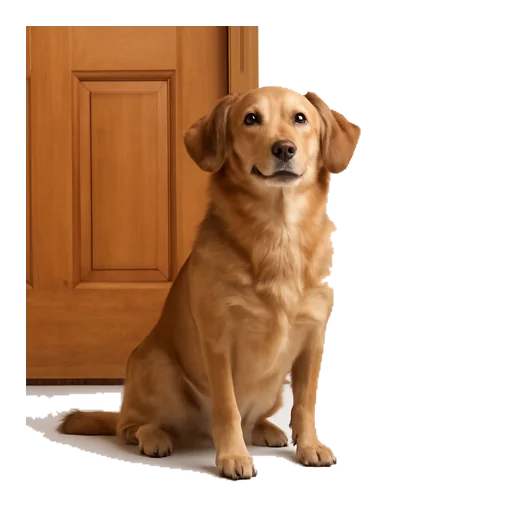
to wait

to play
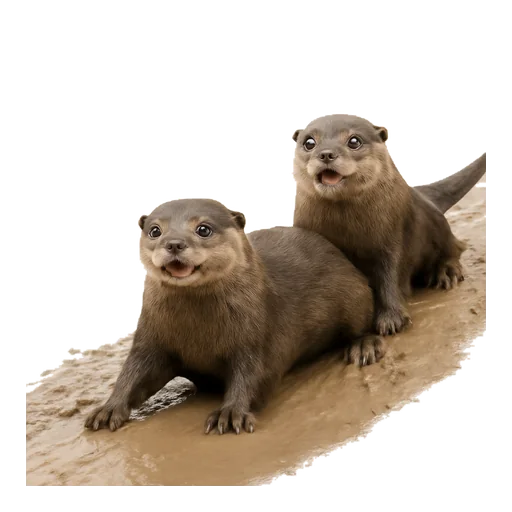
to have fun
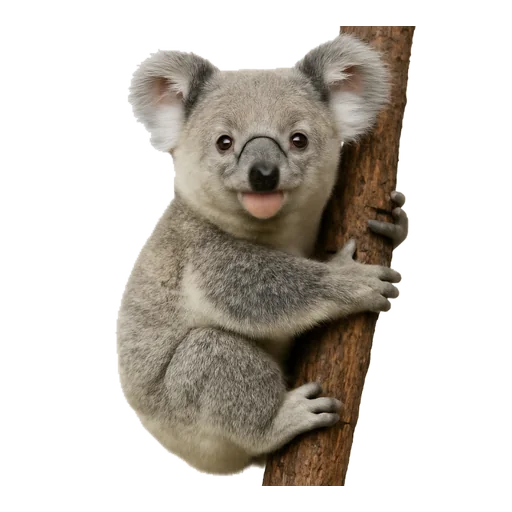
to hug
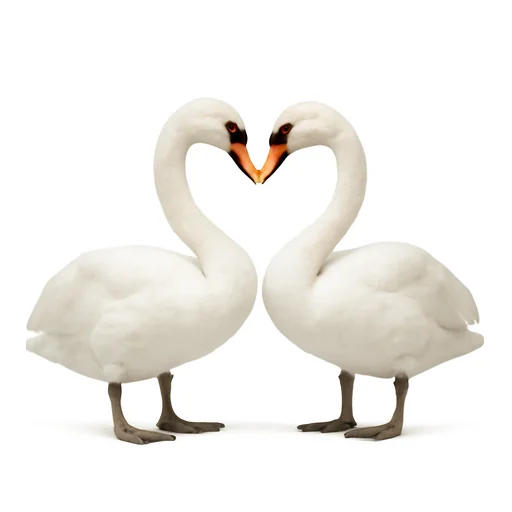
to kiss

to fall in love
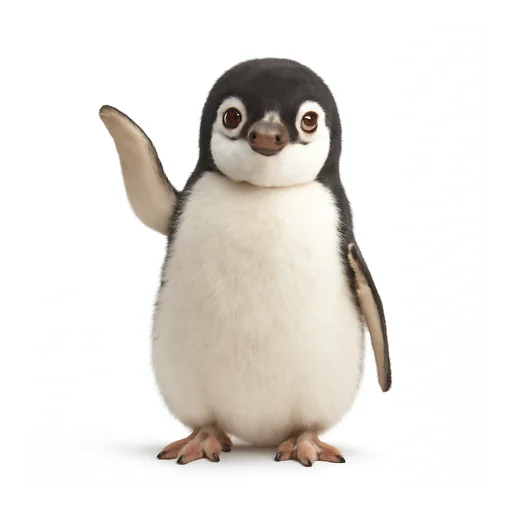
to greet
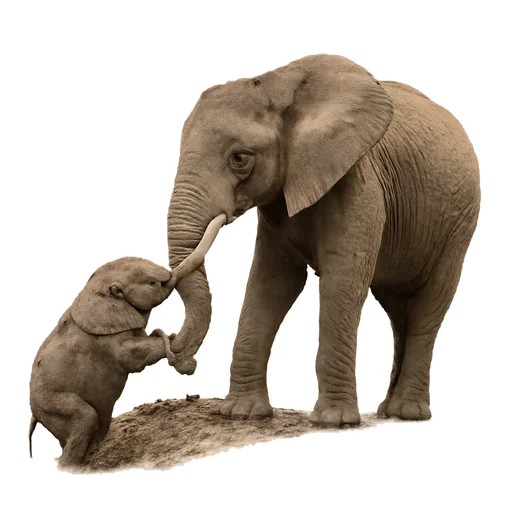
to help
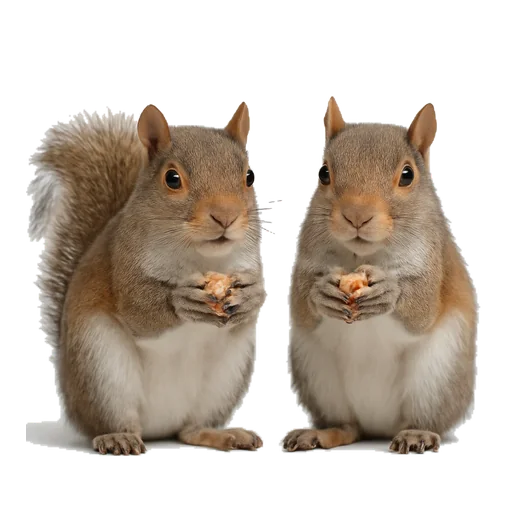
to share
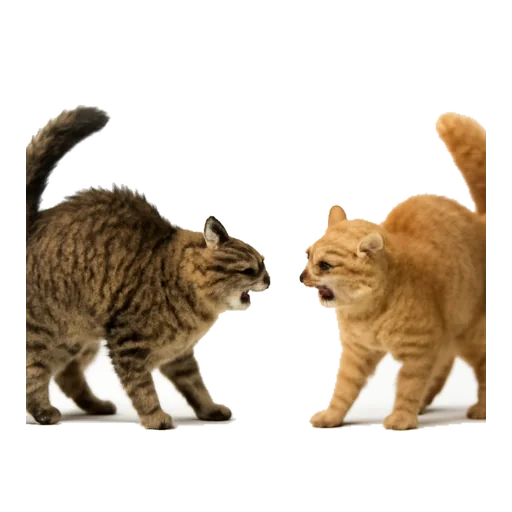
to argue

to make up
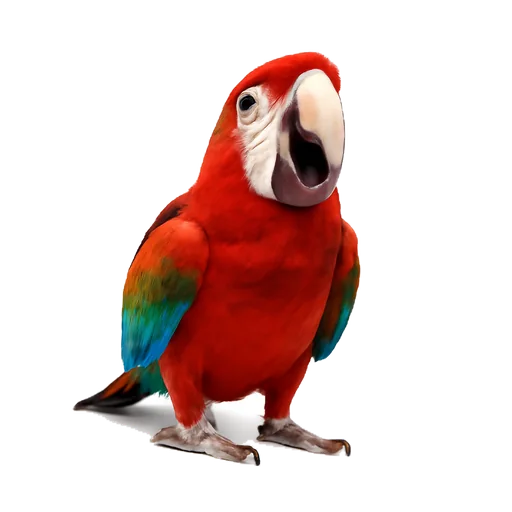
to imitate
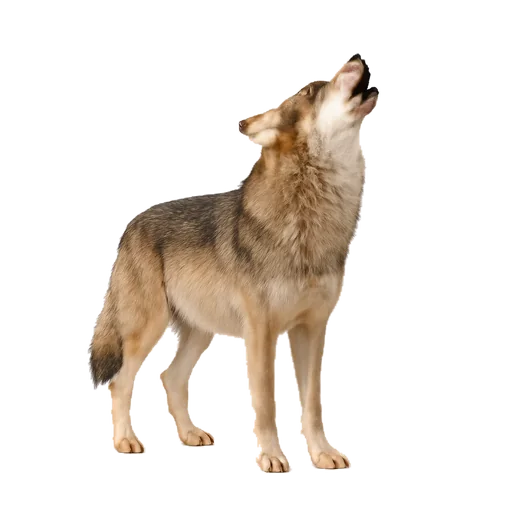
to call
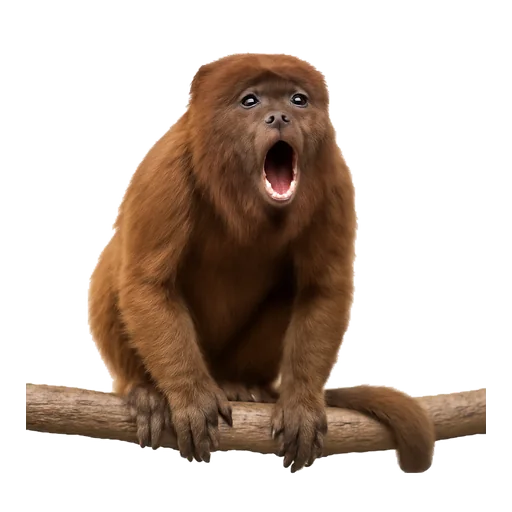
to shout
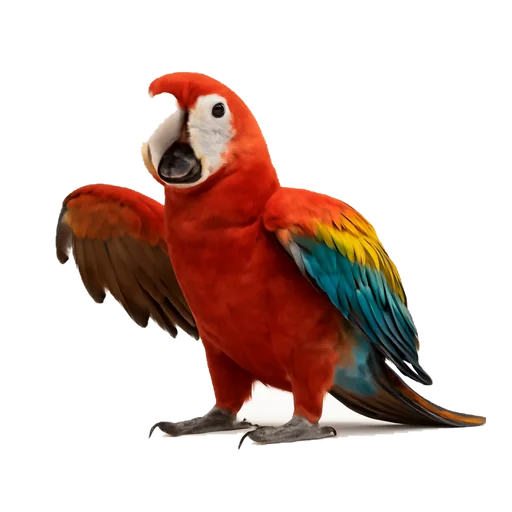
to screech
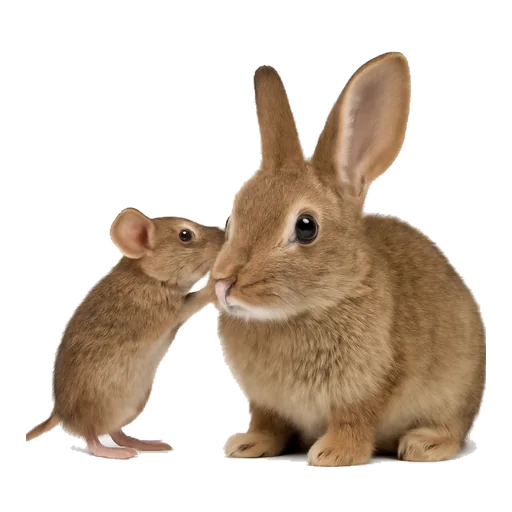
to whisper
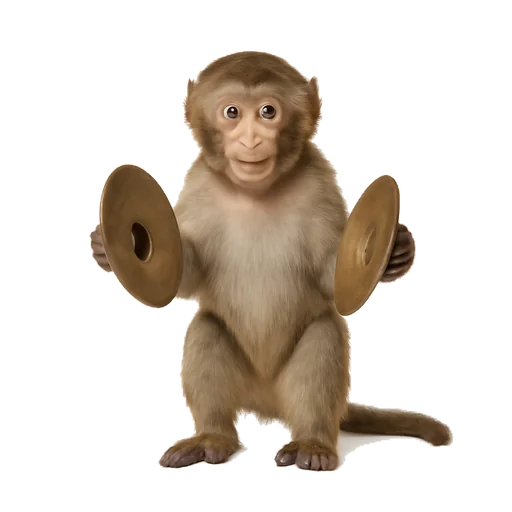
to make noise
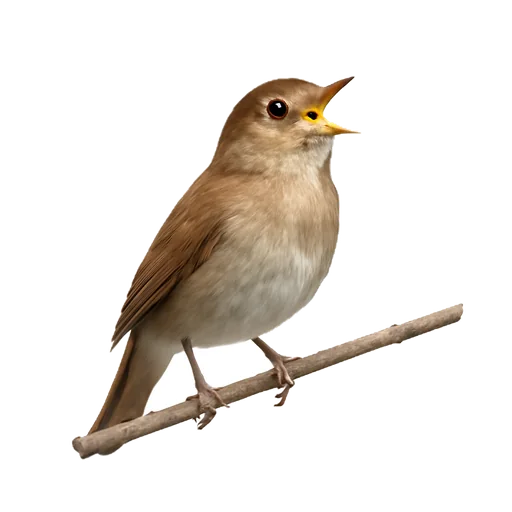
to sing

to whistle

to eat
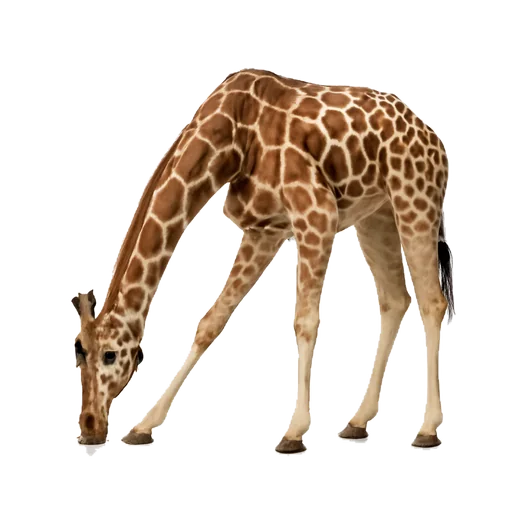
to drink
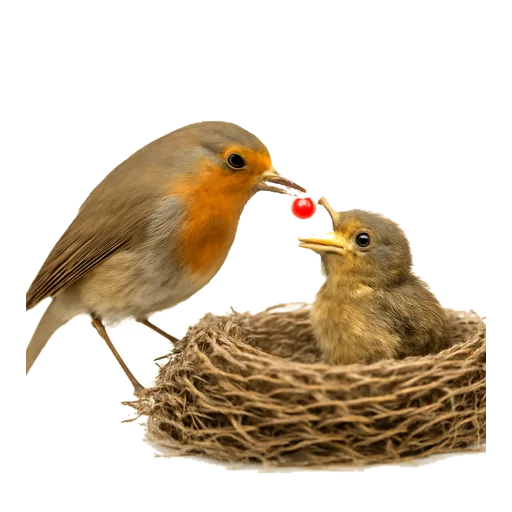
to feed
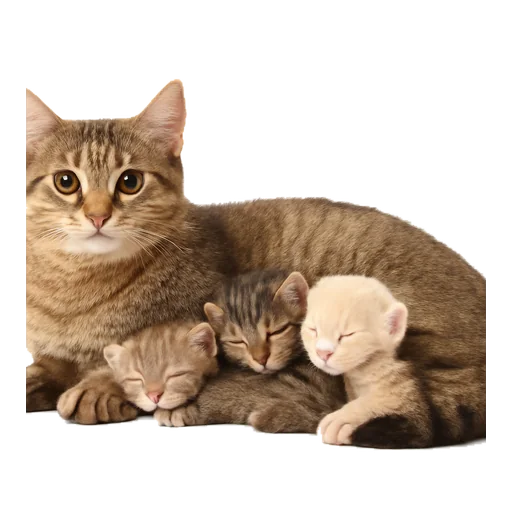
to nurse

to lick
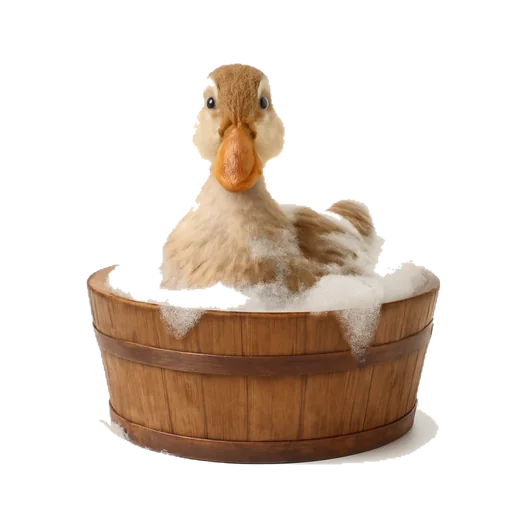
to wash
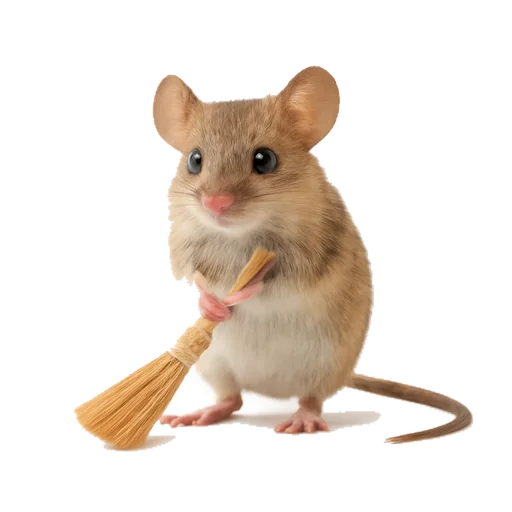
to clean

to scratch oneself
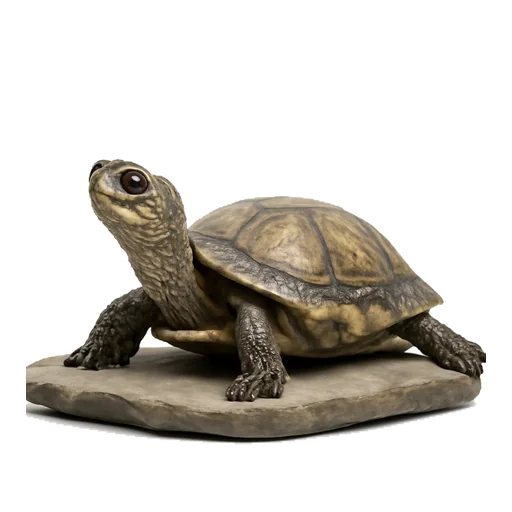
to bask in the sun
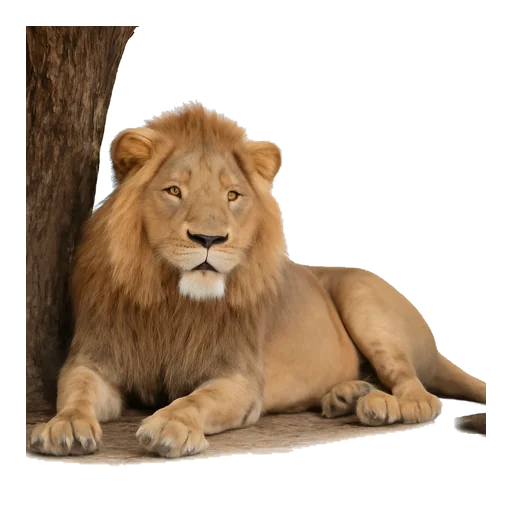
to rest
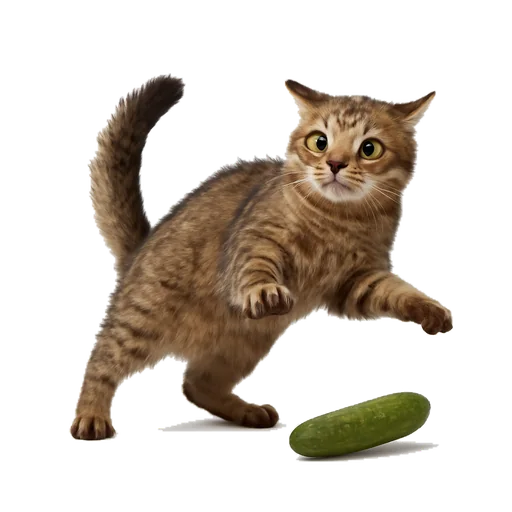
to get scared

to be ashamed
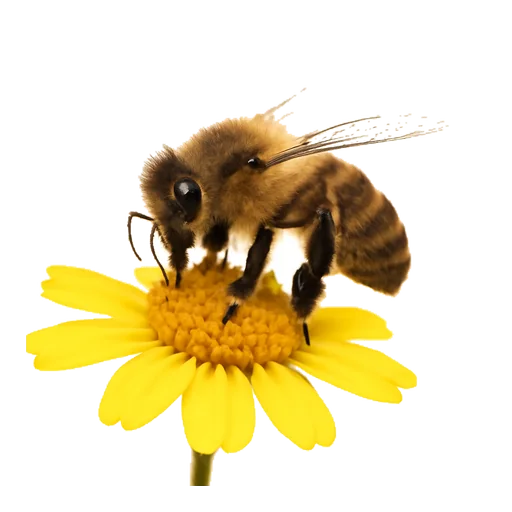
to work
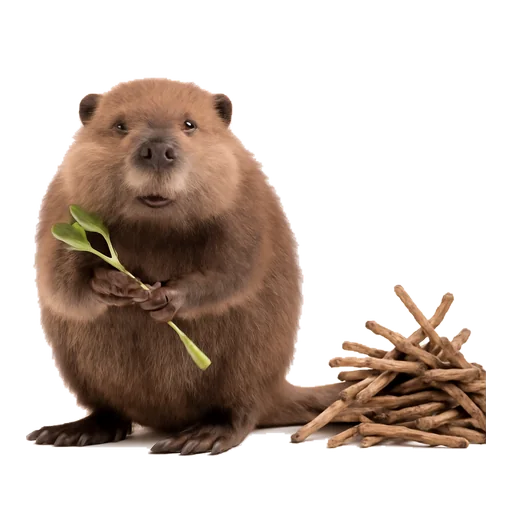
to build
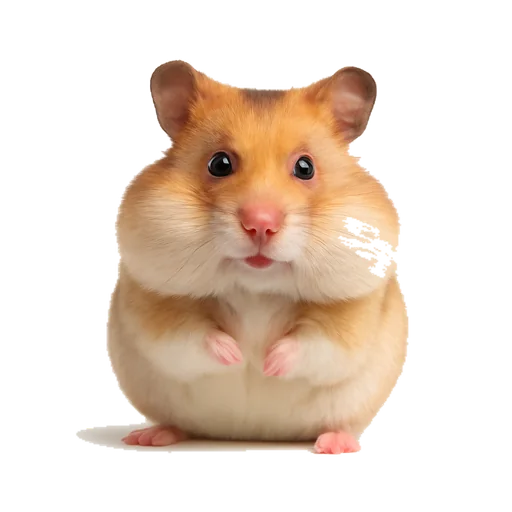
to stock up
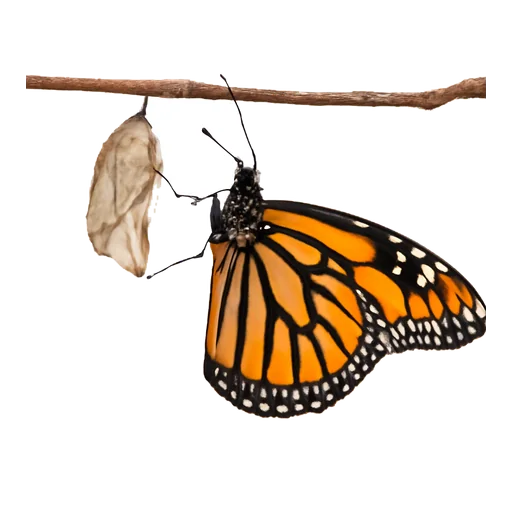
to transform
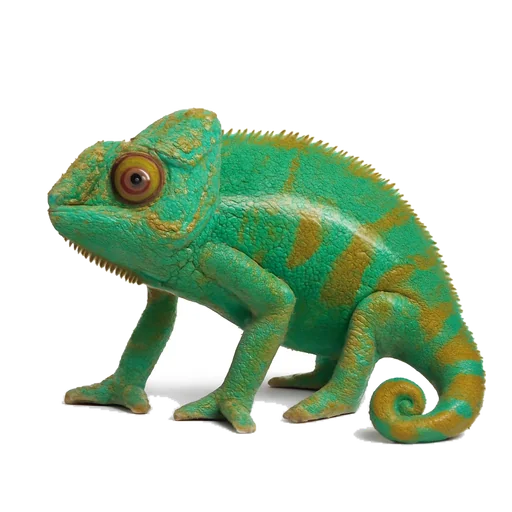
to change colour
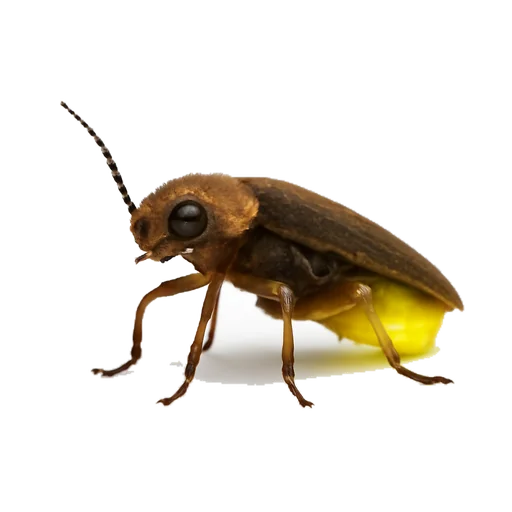
to glow
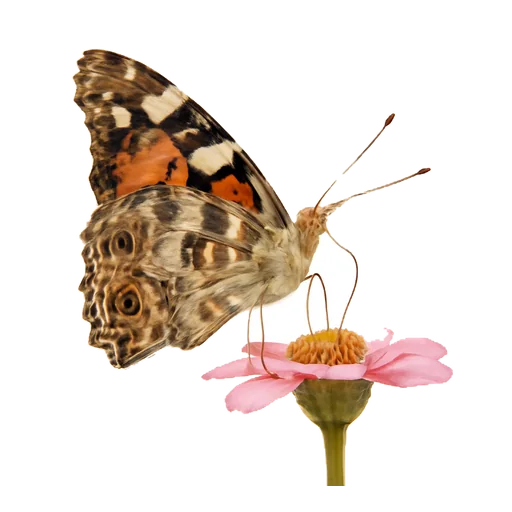
to suck
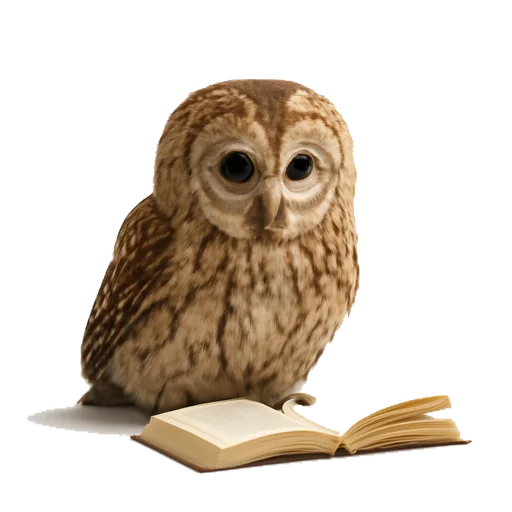
to read
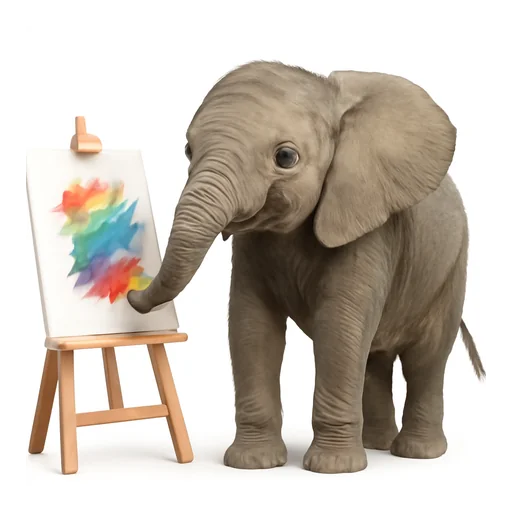
to paint
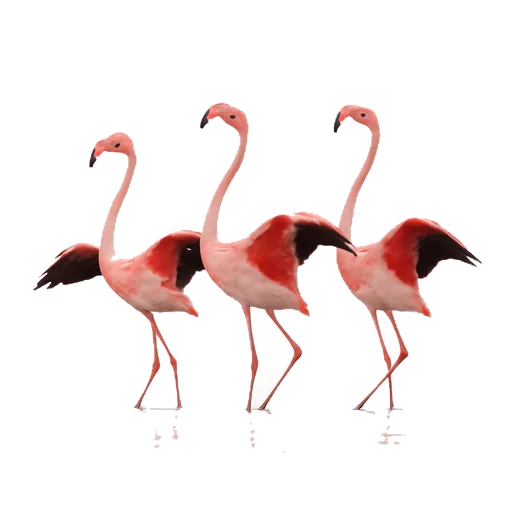
to dance
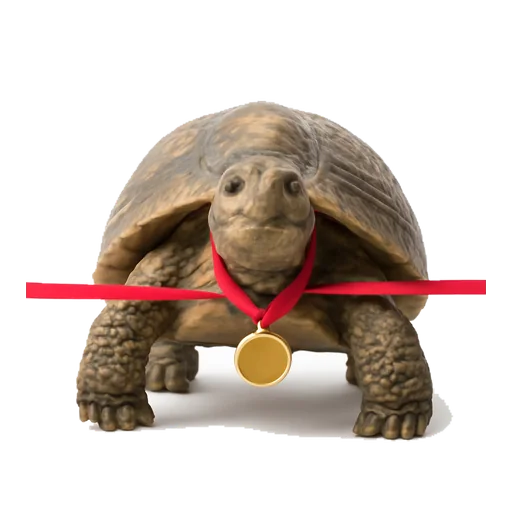
to win
These verbs are not only for animals: you use them every day with people (Mio padre lavora in banca, Aspetto l’autobus). The animals are just a fun way to remember them. In Italian the infinitive ends in -are, -ere or -ire; in a sentence the verb changes its ending (lavorare → il papà lavora). Verbs like svegliarsi and arrampicarsi end in -si: they are reflexive (mi sveglio, si sveglia). Verbs that every animal does (nascere, mangiare, guardare…) have a card but no row in the exercises.
Drag-and-drop exercise
Drag an animal onto the verb that describes what it does. For each verb you only need to find at least one animal, but you can add as many as you like. On a phone: tap the animal, then tap the verb.
Can’t remember an animal? Review the lesson Animals.
Animals: drag them onto the verbs or tap them
Animals: drag them onto the verbs or tap them
Animals: drag them onto the verbs or tap them
Animals: drag them onto the verbs or tap them
Animals: drag them onto the verbs or tap them
Animals: drag them onto the verbs or tap them
Animals: drag them onto the verbs or tap them
Animals: drag them onto the verbs or tap them
Animals: drag them onto the verbs or tap them
With negation
Now the other way round: drag an animal that cannot do that action. Again, one is enough. Beware of traps: the tray also contains animals that can.
Animals: drag them onto the verbs or tap them
Free production
Write your version and compare it with the proposed solution. These activities remain saved on the device, but non modificano il punteggio.
Translate freelyThe beaver builds a dam.
Proposed solution: Il castoro costruisce una diga.
Translate freelyThe eagle flies very high.
Proposed solution: L’aquila vola molto in alto.
Translate freelyThe kangaroo jumps very far.
Proposed solution: Il canguro salta molto lontano.
Translate freelyThe mole digs a tunnel.
Proposed solution: La talpa scava una galleria.
Translate freelyThe rooster crows in the morning.
Proposed solution: Il gallo canta la mattina.
Translate freelyThe penguin slides on the ice.
Proposed solution: Il pinguino scivola sul ghiaccio.
Translate freelyThe chameleon changes colour.
Proposed solution: Il camaleonte cambia colore.
Translate freelyMy father works at a bank all day.
Proposed solution: Mio padre lavora in banca tutto il giorno.
Translate freelyThe puppy is born in spring.
Proposed solution: Il cucciolo nasce in primavera.
Translate freelyI like swimming in the sea.
Proposed solution: Mi piace nuotare in mare.
Translate freelyI have been waiting for the bus for ten minutes.
Proposed solution: Aspetto l’autobus da dieci minuti.
Translate freelyThe child cries when he is hungry.
Proposed solution: Il bambino piange quando ha fame.
Translate freelyThe children laugh and play in the park.
Proposed solution: I bambini ridono e giocano nel parco.
Translate freelyGrandpa sleeps and snores on the sofa.
Proposed solution: Il nonno dorme e russa sul divano.
Translate freelyThe mother helps the child to read.
Proposed solution: La mamma aiuta il bambino a leggere.
Translate freelyThe two cats are fighting over the cushion.
Proposed solution: I due gatti litigano per il cuscino.
Translate freelyEvery morning I wake up at seven and run in the park.
Proposed solution: Ogni mattina mi sveglio alle sette e corro nel parco.
Italiano con Martin
Two teachers, two perspectives. Choose the approach that best matches your interests.