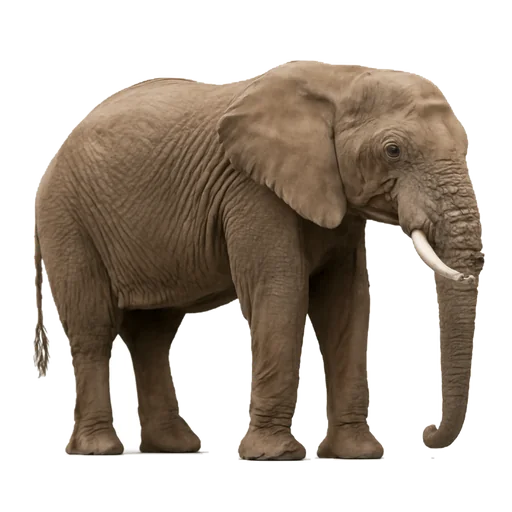
grande
big
3 example sentences
- L’elefante è un animale grande.
- Abito in una casa grande.
- Questa città è molto grande.
 Italiano con Martin
Vocabulary A1–A2
Observe the scene and discover each word through the image and three example Italian sentences.
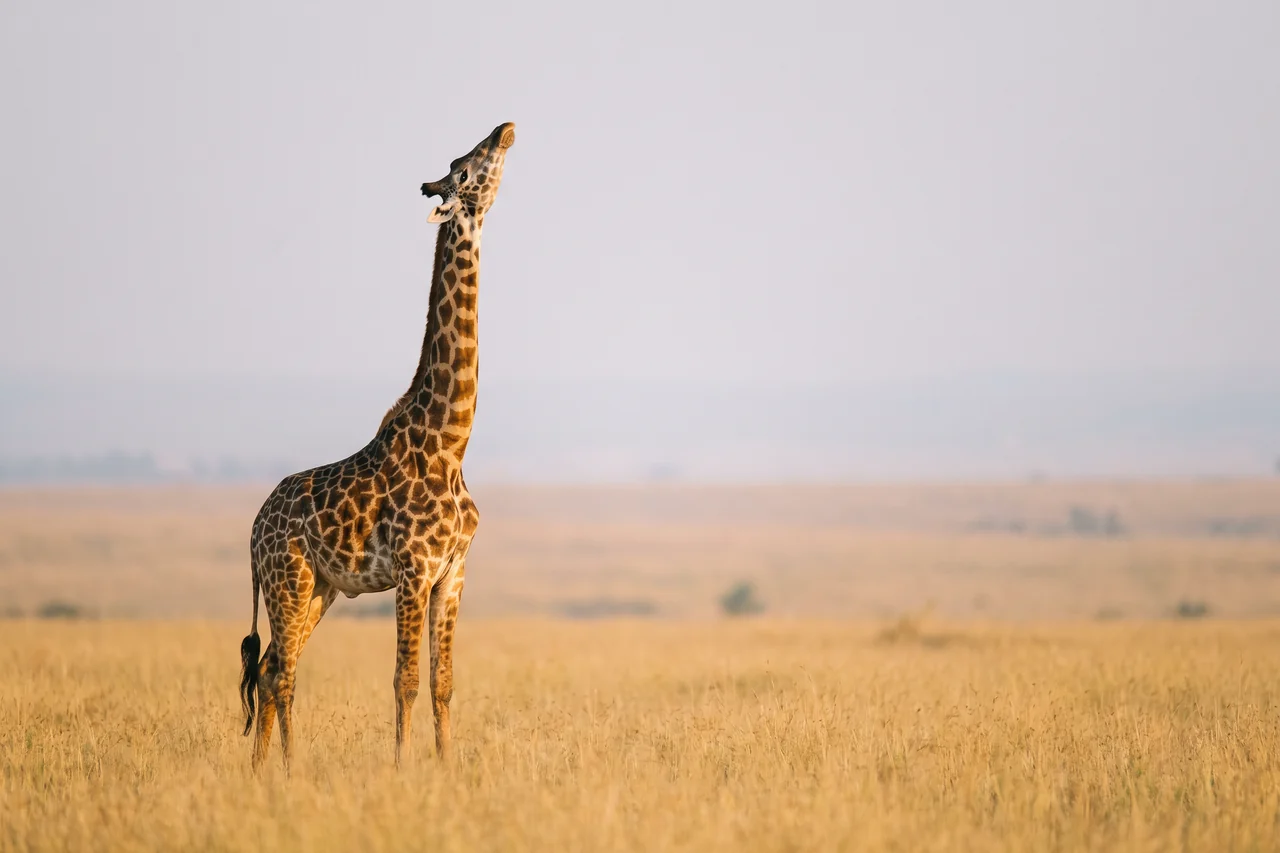
big
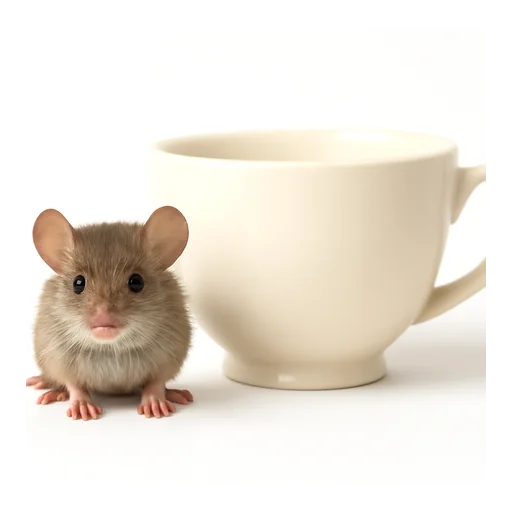
small
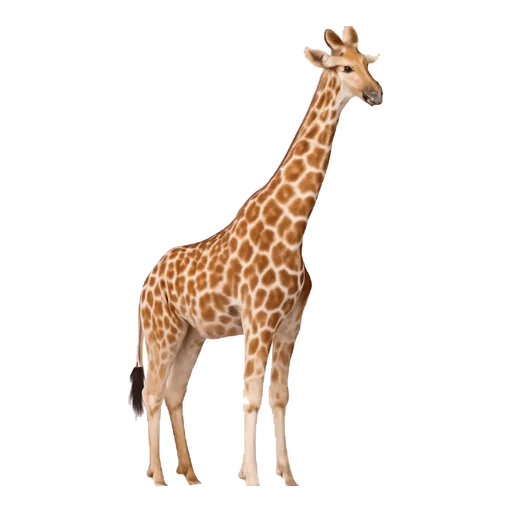
tall
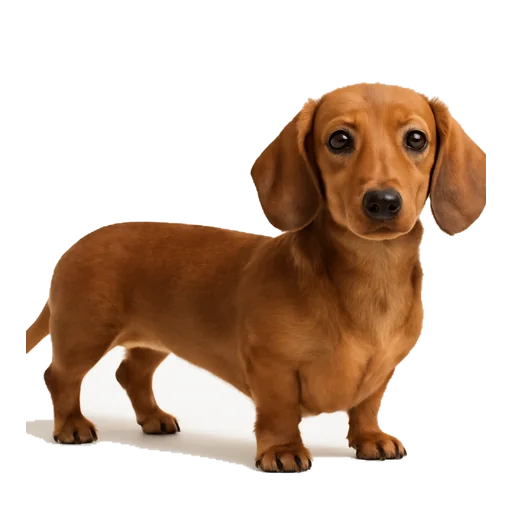
short
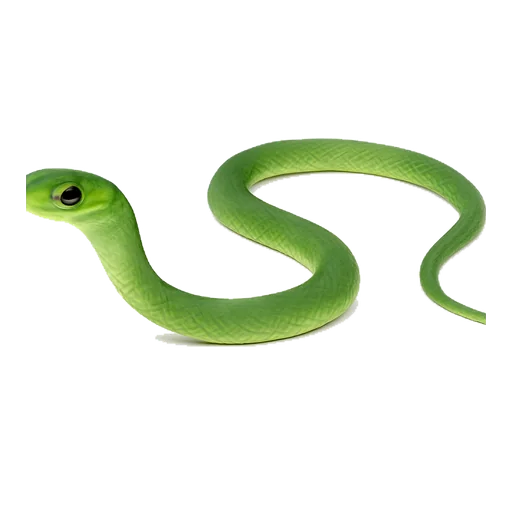
long
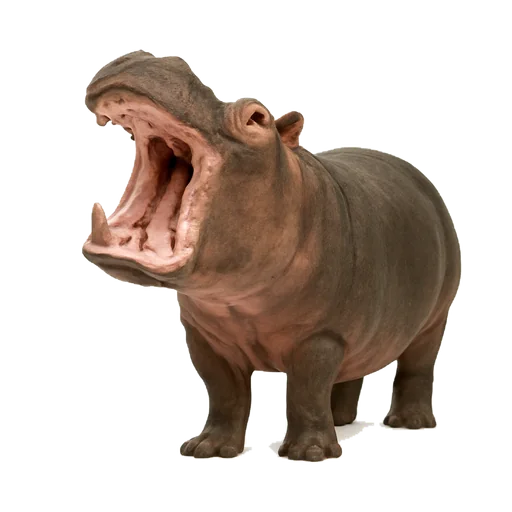
wide
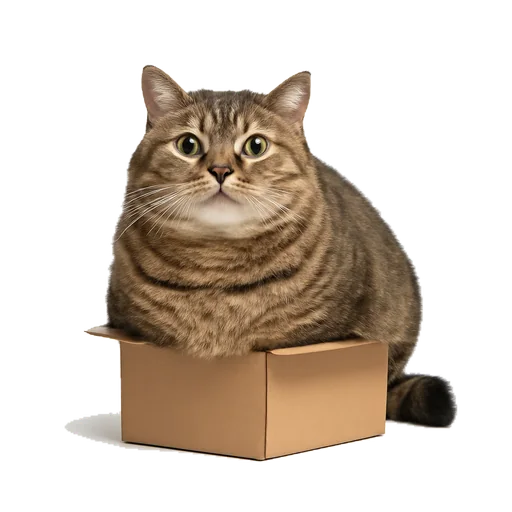
narrow
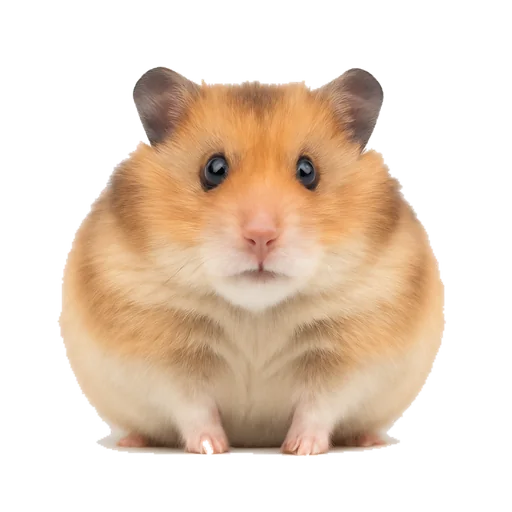
round
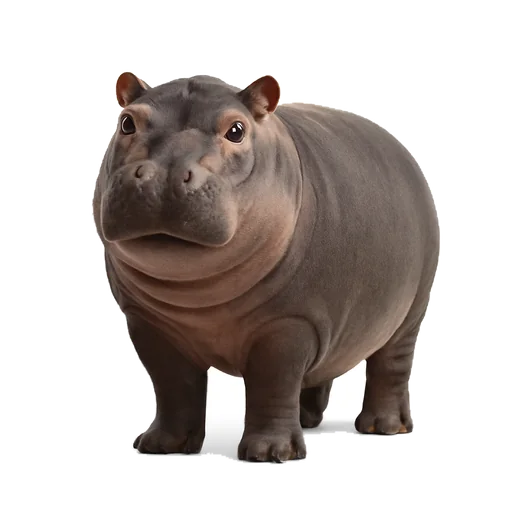
heavy
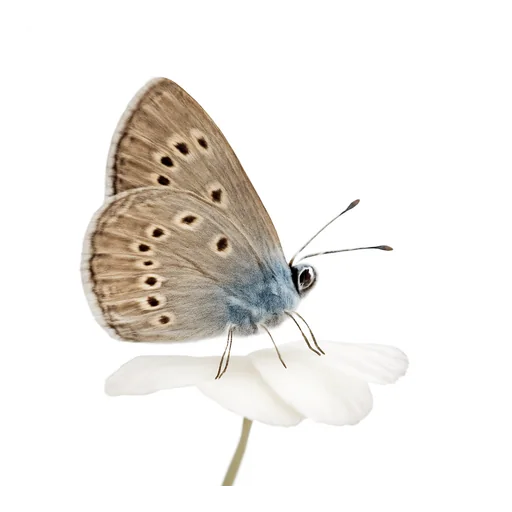
light
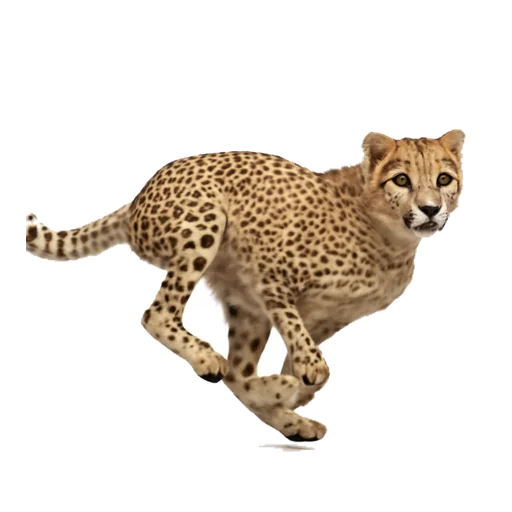
fast
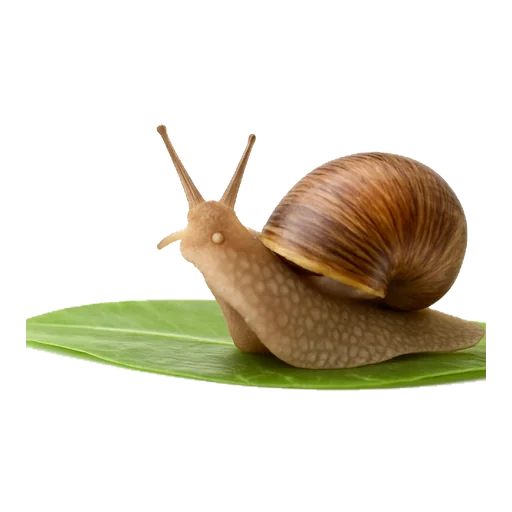
slow
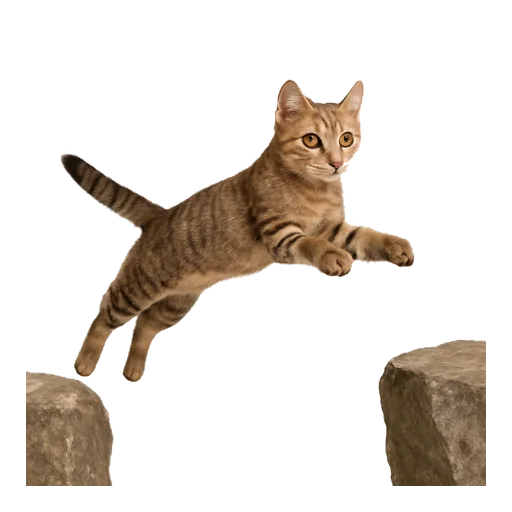
agile
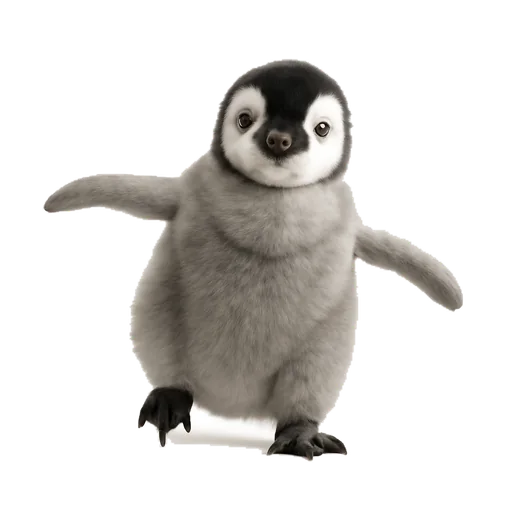
clumsy
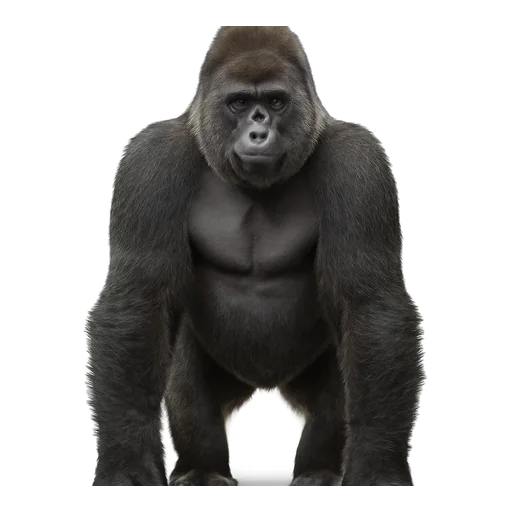
strong
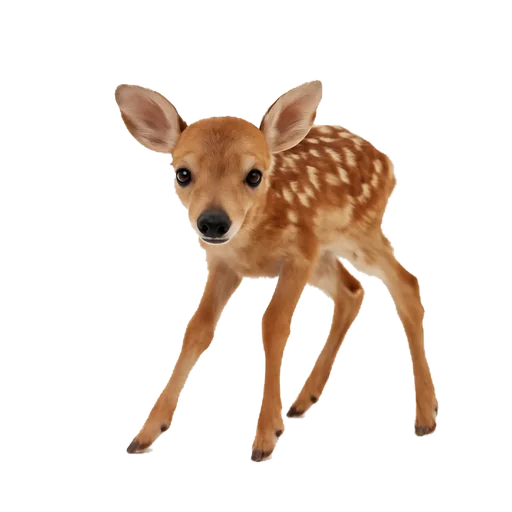
weak
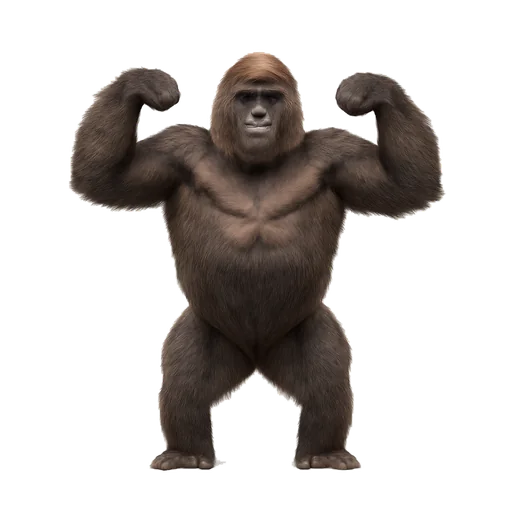
muscular
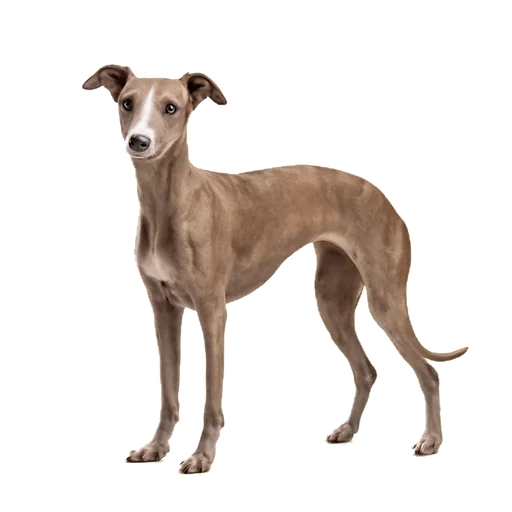
thin
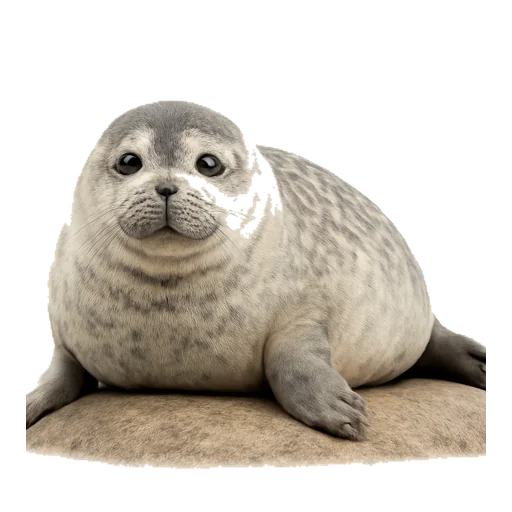
fat
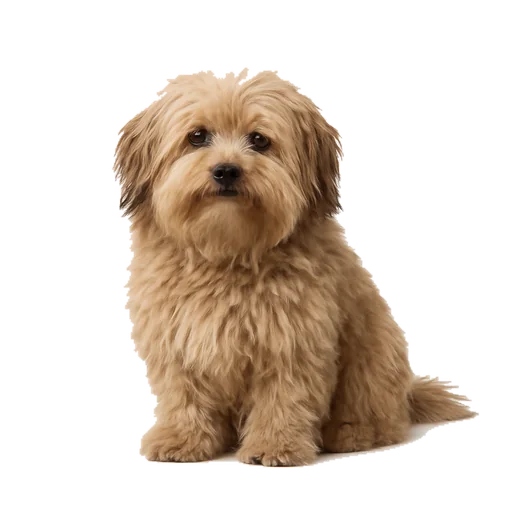
hairy
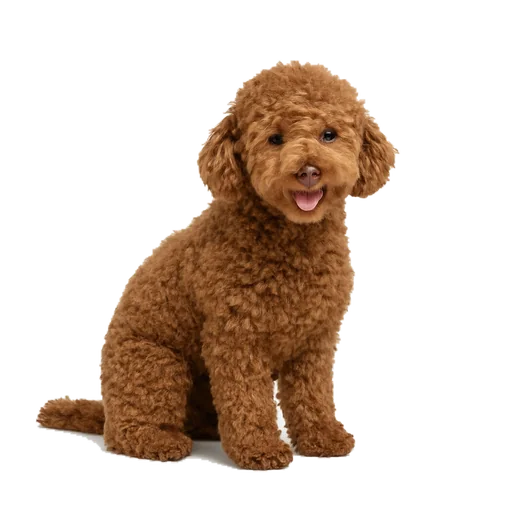
curly
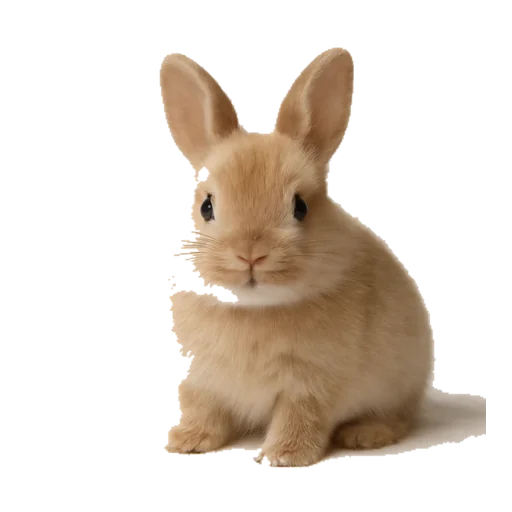
soft
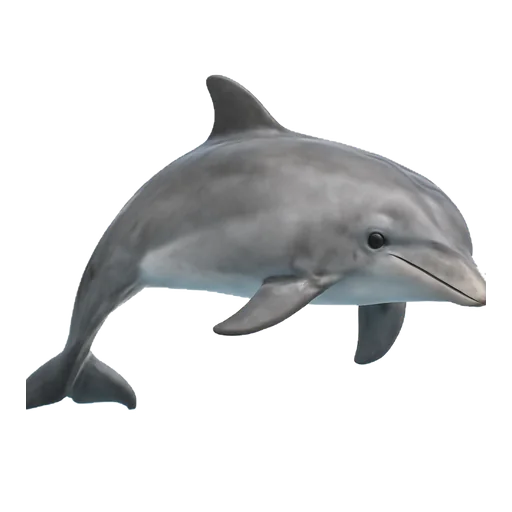
smooth
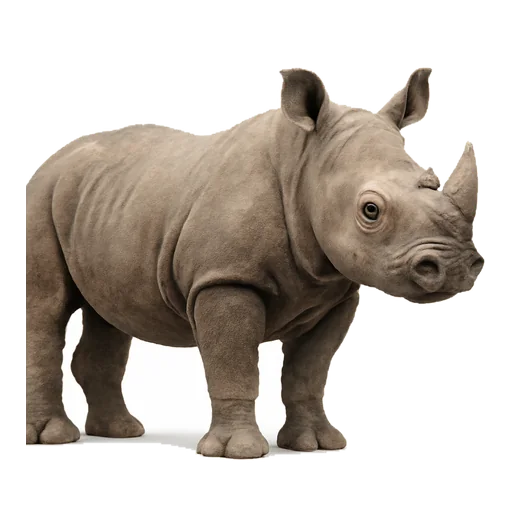
rough
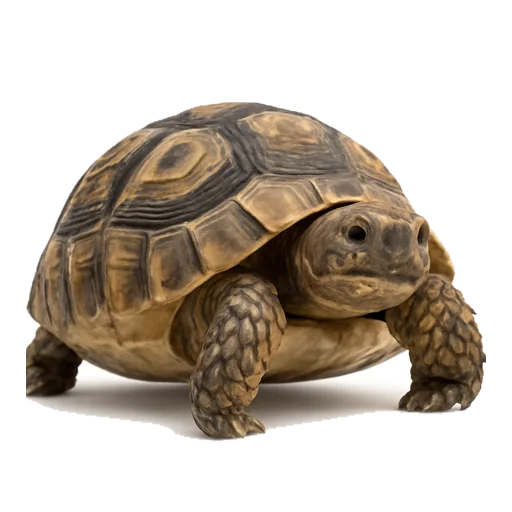
hard
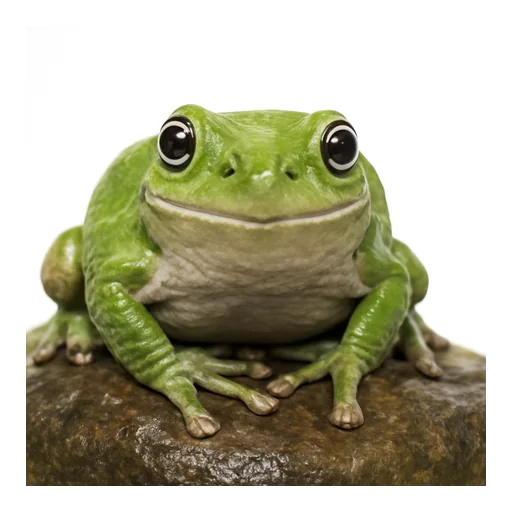
slippery
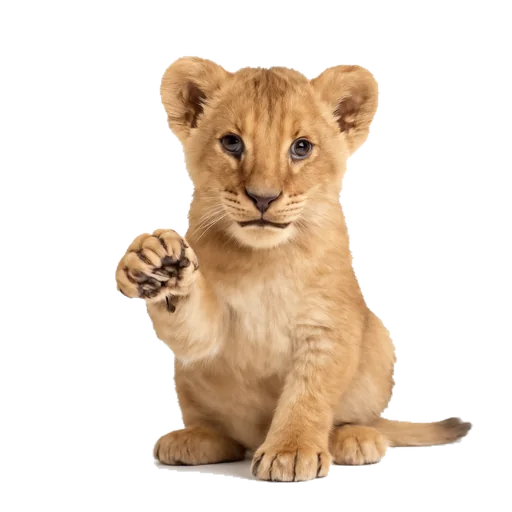
sharp
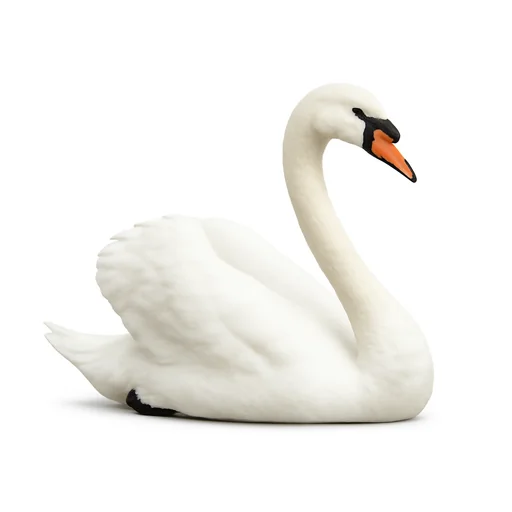
elegant
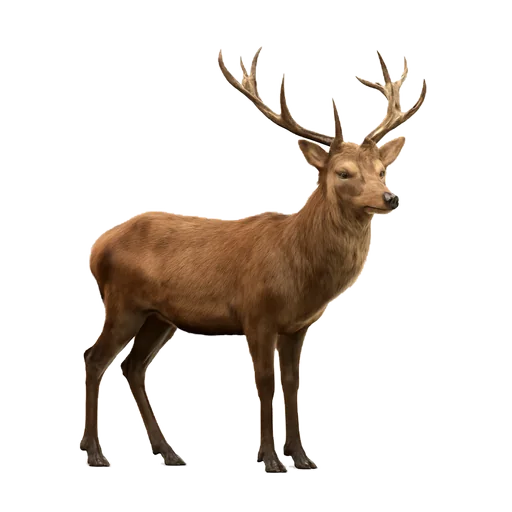
beautiful
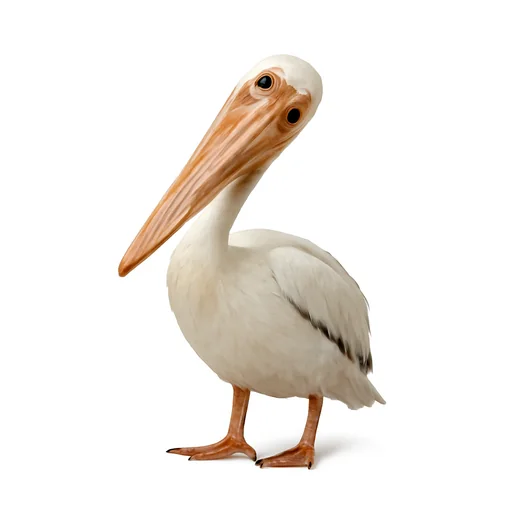
funny
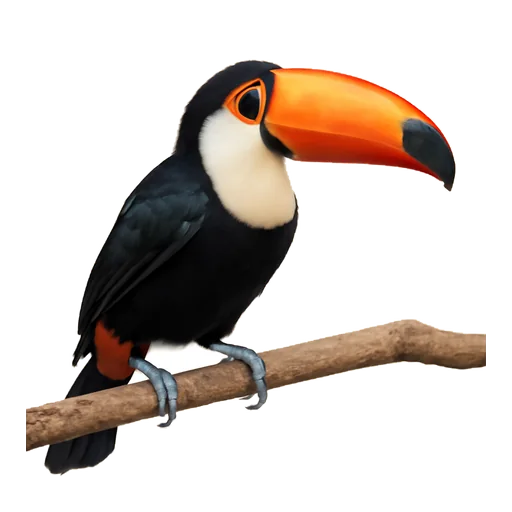
colourful
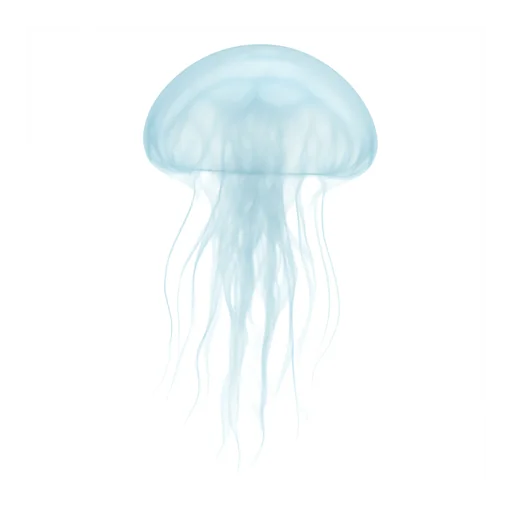
transparent
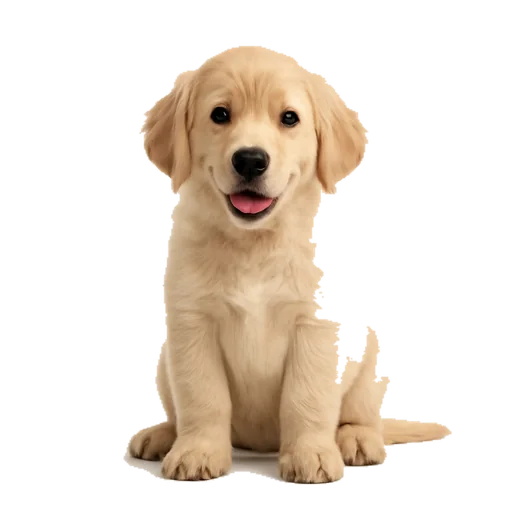
young
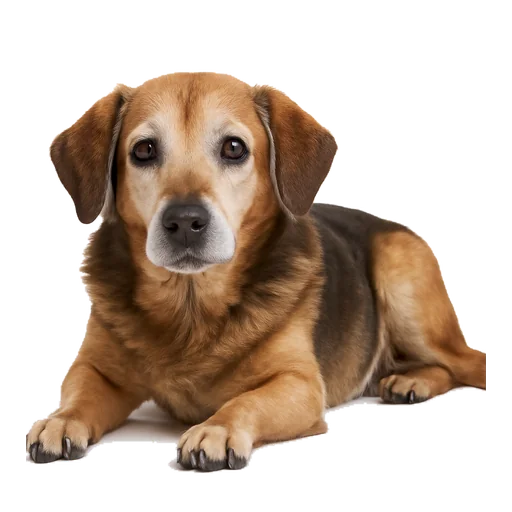
old
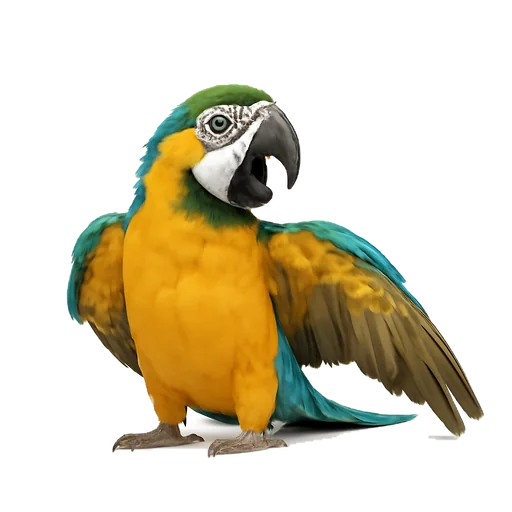
noisy
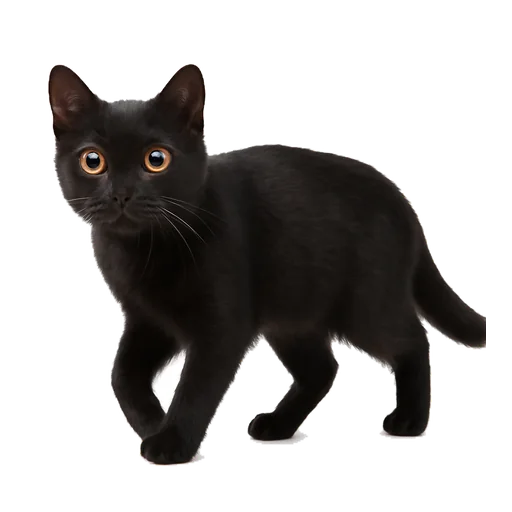
quiet
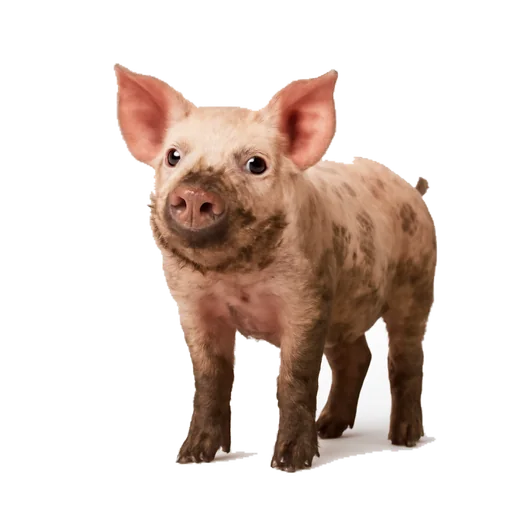
dirty
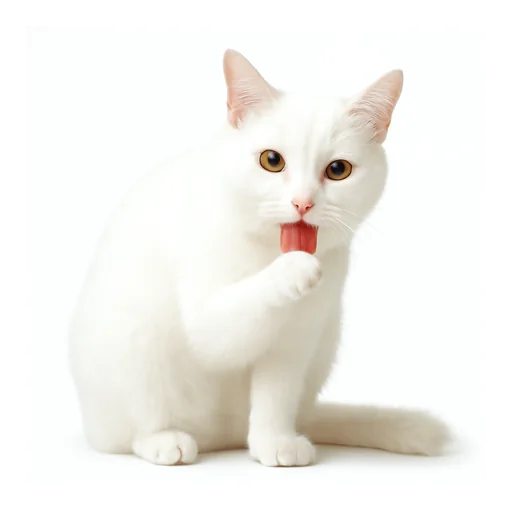
clean
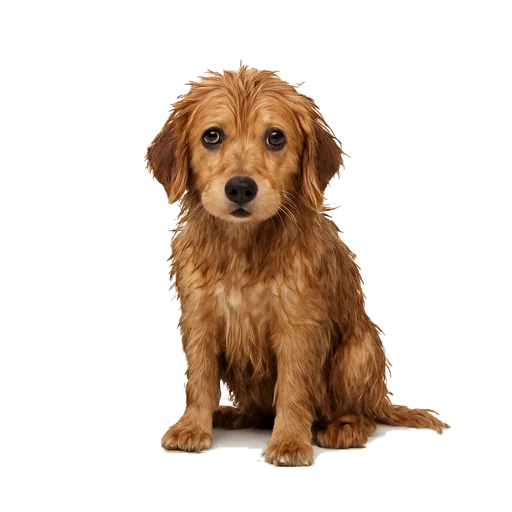
wet
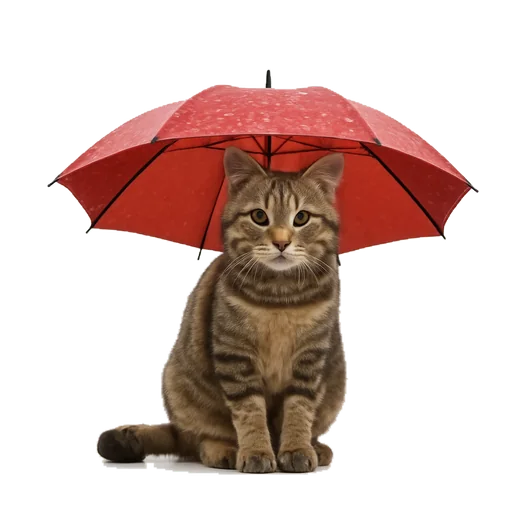
dry
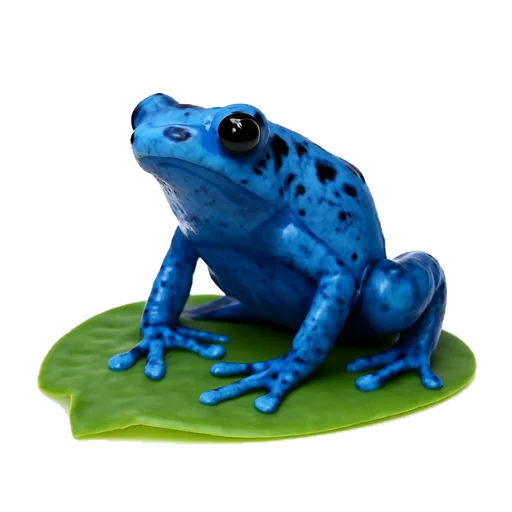
poisonous
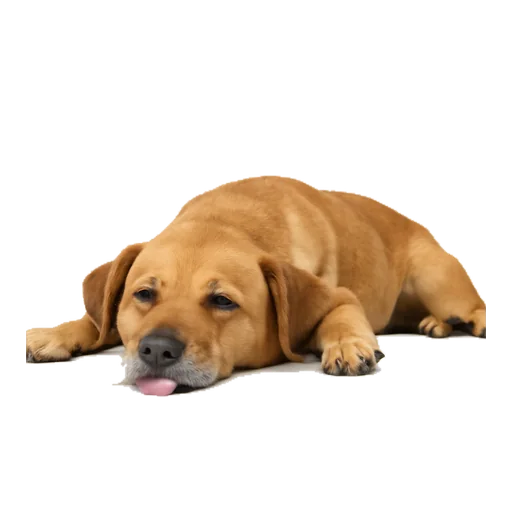
tired
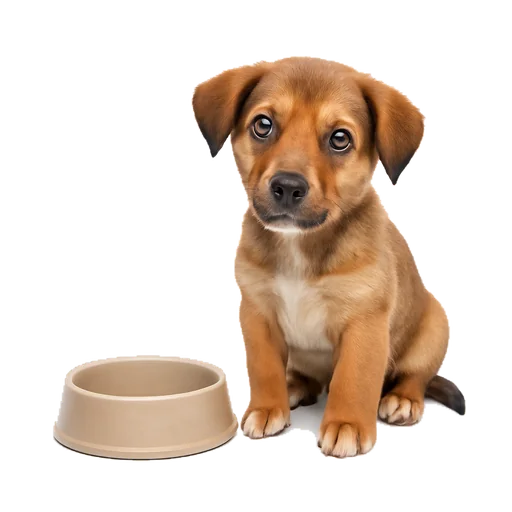
hungry
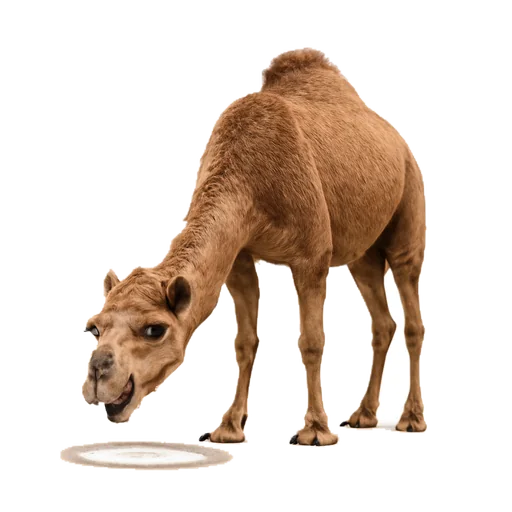
thirsty
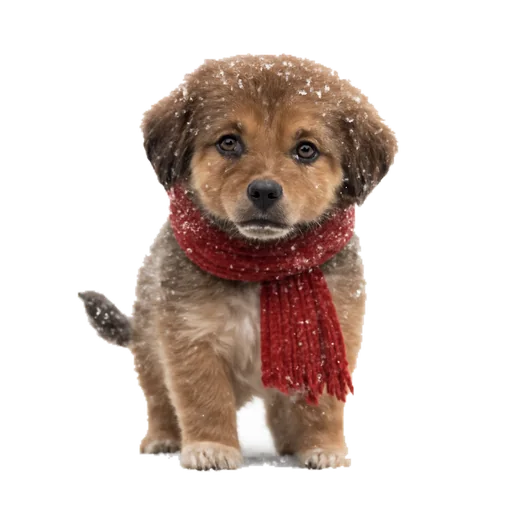
cold
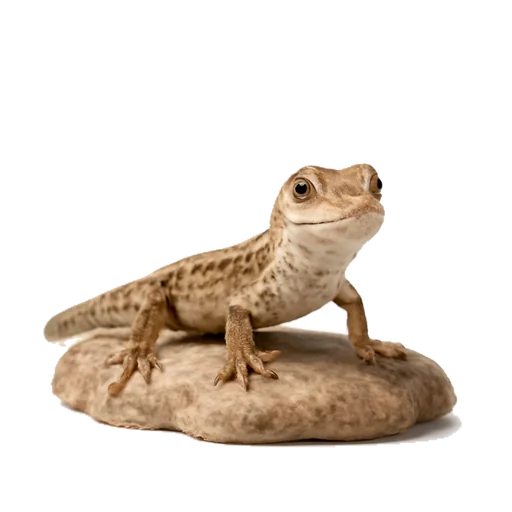
hot
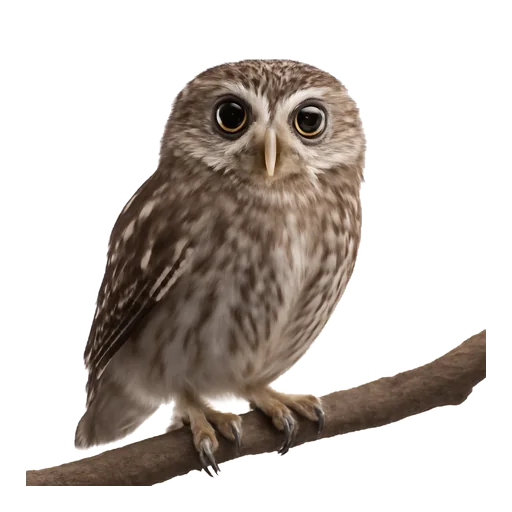
awake
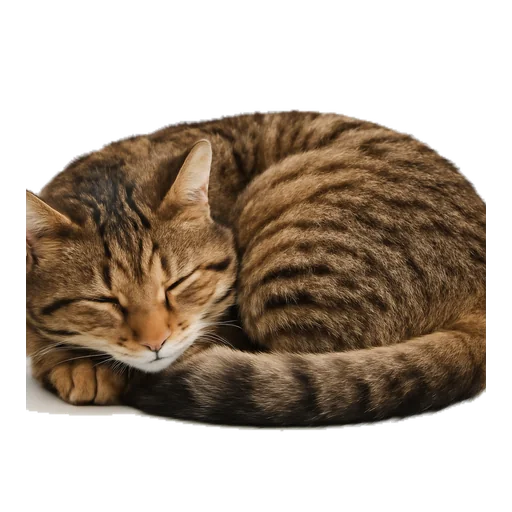
asleep
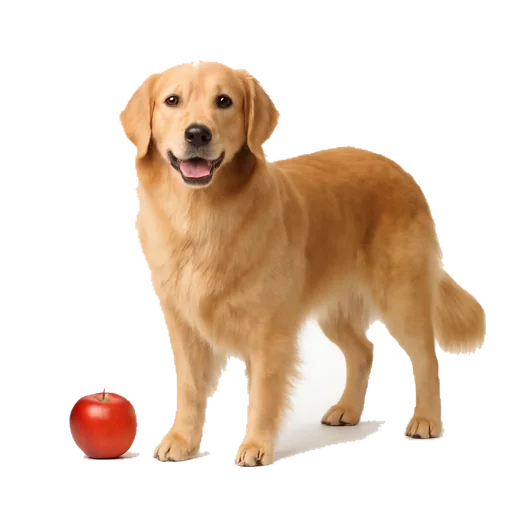
healthy

sick
These adjectives are not only for animals: you use them every day to describe people, things and how you feel (Mio nonno è vecchio, Il tavolo è rotondo, Sono stanco). The animals are just a fun way to remember them. Many adjectives have two forms: lungo (masculine) and lunga (feminine); those ending in -e, like veloce and forte, have only one. Many characteristics are relative: a cat is small compared to a horse, but big compared to an ant. Words without a row in the exercises (stanco, bagnato, malato…) describe situations any animal — or person — can be in.
Drag-and-drop exercise
Drag an animal onto the adjective that describes it. For each adjective you only need to find at least one animal, but you can add as many as you like. On a phone: tap the animal, then tap the adjective.
Can’t remember an animal? Review the lesson Animals.
Animals: drag them onto the adjectives or tap them
Animals: drag them onto the adjectives or tap them
Animals: drag them onto the adjectives or tap them
Animals: drag them onto the adjectives or tap them
With negation
Now the other way round: drag an animal that does not have that trait. Again, one is enough. Beware of traps: the tray also contains animals that do have it.
Animals: drag them onto the adjectives or tap them
Animals: drag them onto the adjectives or tap them
Free production
Write your version and compare it with the proposed solution. These activities remain saved on the device, but non modificano il punteggio.
Translate freelyThe snail is slow.
Proposed solution: La lumaca è lenta.
Translate freelyThe giraffe is very tall.
Proposed solution: La giraffa è molto alta.
Translate freelyMy grandfather is old, but he is still strong.
Proposed solution: Mio nonno è vecchio, ma è ancora forte.
Translate freelyThe cheetah is a very fast animal.
Proposed solution: Il ghepardo è un animale molto veloce.
Translate freelyMy friend is short and thin.
Proposed solution: La mia amica è bassa e magra.
Translate freelyI have long, curly hair.
Proposed solution: Ho i capelli lunghi e ricci.
Translate freelyThe cat is agile and quiet.
Proposed solution: Il gatto è agile e silenzioso.
Translate freelyAfter the run I am tired and thirsty.
Proposed solution: Dopo la corsa sono stanco e assetato.
Translate freelyThe dog is all wet: he swam in the lake.
Proposed solution: Il cane è tutto bagnato: ha fatto il bagno nel lago.
Translate freelyThe parrot is very colourful.
Proposed solution: Il pappagallo è molto colorato.
Translate freelyThe jellyfish is transparent.
Proposed solution: La medusa è trasparente.
Translate freelyThe kitten is sick: it doesn’t want to eat.
Proposed solution: Il gattino è malato: non vuole mangiare.
Translate freelyThe elephant is big and heavy.
Proposed solution: L’elefante è grande e pesante.
Translate freelyThe pig is often dirty with mud.
Proposed solution: Il maiale è spesso sporco di fango.
Italiano con Martin
Two teachers, two perspectives. Choose the approach that best matches your interests.